Cost of Living in Montañita
Where this figure comes from. No cost survey covers Montañita, so the $1,300 a month above is our own estimate rather than a measurement. On 416 of our 999 city guides the figure is built from a published Numbeo basket, a one-bedroom rent in the centre plus one person's monthly costs without rent, converted to USD; this city is not one of them. How we source everything.
Montañita runs on the US dollar (Ecuador adopted it in 2000), which makes budgeting straightforward. The town has a split personality: the crowded party strip near the main beach commands tourist prices, while the quieter residential streets a few blocks inland and the adjacent village of Olon offer noticeably cheaper rents.
- Rent, central studio or 1BR: $500-700/month during low season; expect $700-900 in high season (December-April)
- Rent, quieter residential area or Olon: $300-500/month
- Groceries (self-catering): $150-220/month; local markets offer cheap fresh produce, fish, and staples
- Eating out: $3-5 for a set lunch (almuerzo), $8-15 for dinner at a sit-down restaurant, $1.50-2.50 for a coffee
- Coworking hot desk (Selina): around $100/month; daily passes around $13
- Local transport: $0.25 bus rides within town; shared minivans to nearby towns cost $1-3; taxis are negotiated and rarely exceed $5 within the immediate area
- Beer at a bar: $2-3
Realistic monthly total: a budget nomad spending carefully can get by on $800-1,000/month (hostel dorm, shared kitchen, Selina coworking). A comfortable private-apartment setup lands around $1,100-1,400/month. The upper end is mostly if you eat out every meal and participate heavily in nightlife.
Where to Work
Honest assessment: Montañita is not a strong remote-work hub. The reliable options are limited but functional for short stays.
Coworking
Selina Montañita on Avenida Quinta is the most established option, with 16 hot desks, phone booths, and a meeting room. Monthly membership runs around $100, daily passes around $13. It is inside a hostel complex, so the environment can feel social rather than productive.
CoworkSurf (Casa del Sol) near La Punta surf break combines coliving, coworking, and surf culture. It advertises a fiber connection, which, if reliable, puts it well ahead of the rest of town. This suits nomads who want structure and community more than solitude.
Cafe-work culture
A handful of cafes, including Buena Onda Café and spots along the main strip, will let you sit with a laptop over a coffee, but dedicated power outlets and stable connections are not guaranteed. Plan around the coworking spaces for actual deadline-critical work.
The real WiFi situation
Internet across town is slow by nomad standards. Power outages occur, particularly during the rainy season. A local SIM card (Claro or CNT work in this area) with a data plan is a sensible backup. Do not expect Chiang Mai-level connectivity.
Getting Around
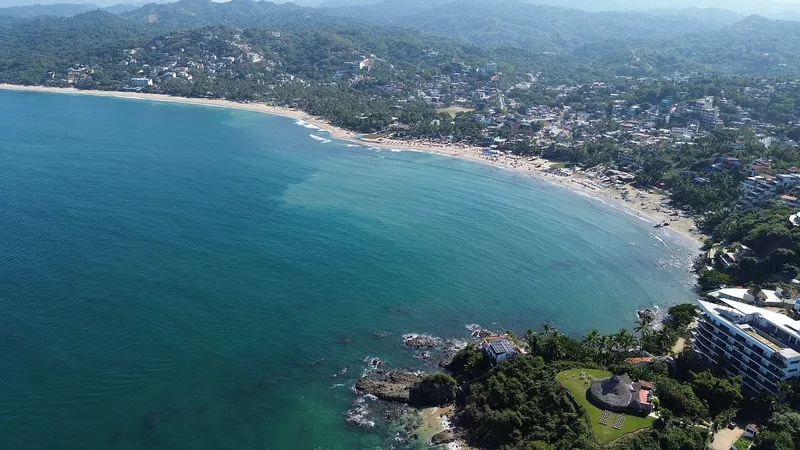
Montañita itself is a small, walkable town. The beach strip, hostels, restaurants, and both coworking spaces are all within a 10-15 minute walk of each other. You will not need transport for daily life once you are based there.
Getting to and from Montañita requires more effort. The nearest major airport is José Joaquín de Olmedo International in Guayaquil, roughly 3 hours away by road. There is no direct bus from the airport; you typically take a city bus or taxi to Guayaquil's main terminal (Terminal Terrestre), then a direct bus toward Santa Elena or Libertad, and transfer or take a shared minivan to Montañita. The full journey takes 3.5-5 hours depending on connections. Alternatively, private transfers from Guayaquil run $60-90 and cut the hassle considerably. From Quito, overnight buses take 9-10 hours.
Once in the area, shared minivans run frequently between Montañita, Olon, and Manglaralto for $0.50-2. Bicycle rentals are available through CoworkSurf and some hostels.
Sorting transport? Book an airport transfer, or compare car rental on Auto Europe and QEEQ.
Visas and Staying Long-Term
Most nationalities, including citizens of the US, EU, Canada, Australia, and the UK, enter Ecuador visa-free for 90 days. This is extendable for a further 90 days at a regional immigration office (there is one in Santa Elena), giving you up to 180 days per calendar year without a visa.
Ecuador launched a dedicated remote-work visa (Visa de Residencia Temporal Rentista Para Trabajo Remoto) that grants temporary residency for up to 2 years, renewable. Requirements include proof of at least $1,275/month in foreign income, valid international health insurance, a clean criminal record, and proof of accommodation. The application fee is around $450 total and processing takes 2-4 months. It is aimed at people planning a genuine long-term base, not short-term visitors.
Best Time to Visit
Montañita has two distinct seasons. The wet season runs roughly December through April, bringing heat (up to 31°C / 87°F), high humidity, and frequent heavy downpours, especially in January-March. This is also surf season, with swells reaching 2 meters; the town is at its most energetic and crowded. Power outages and WiFi disruptions are more common during this period, which matters if you are trying to work.
The dry season from May through November is the better window for remote work. Temperatures cool slightly to 23-27°C (73-80°F), rainfall drops sharply (August averages just 18 mm), and the party crowds thin out. June through September is the sweet spot: dry, pleasant, cheaper accommodation, and quieter enough to actually get work done. The tradeoff is that surf is smaller and the town feels less alive if you came for the scene.
Pros and Cons
- Low cost of living by any international standard, especially if you cook some meals
- Walkable, compact town with no need for daily transport
- Strong community vibe that makes it easy to meet other travelers and nomads quickly
- Excellent fresh seafood at very low prices
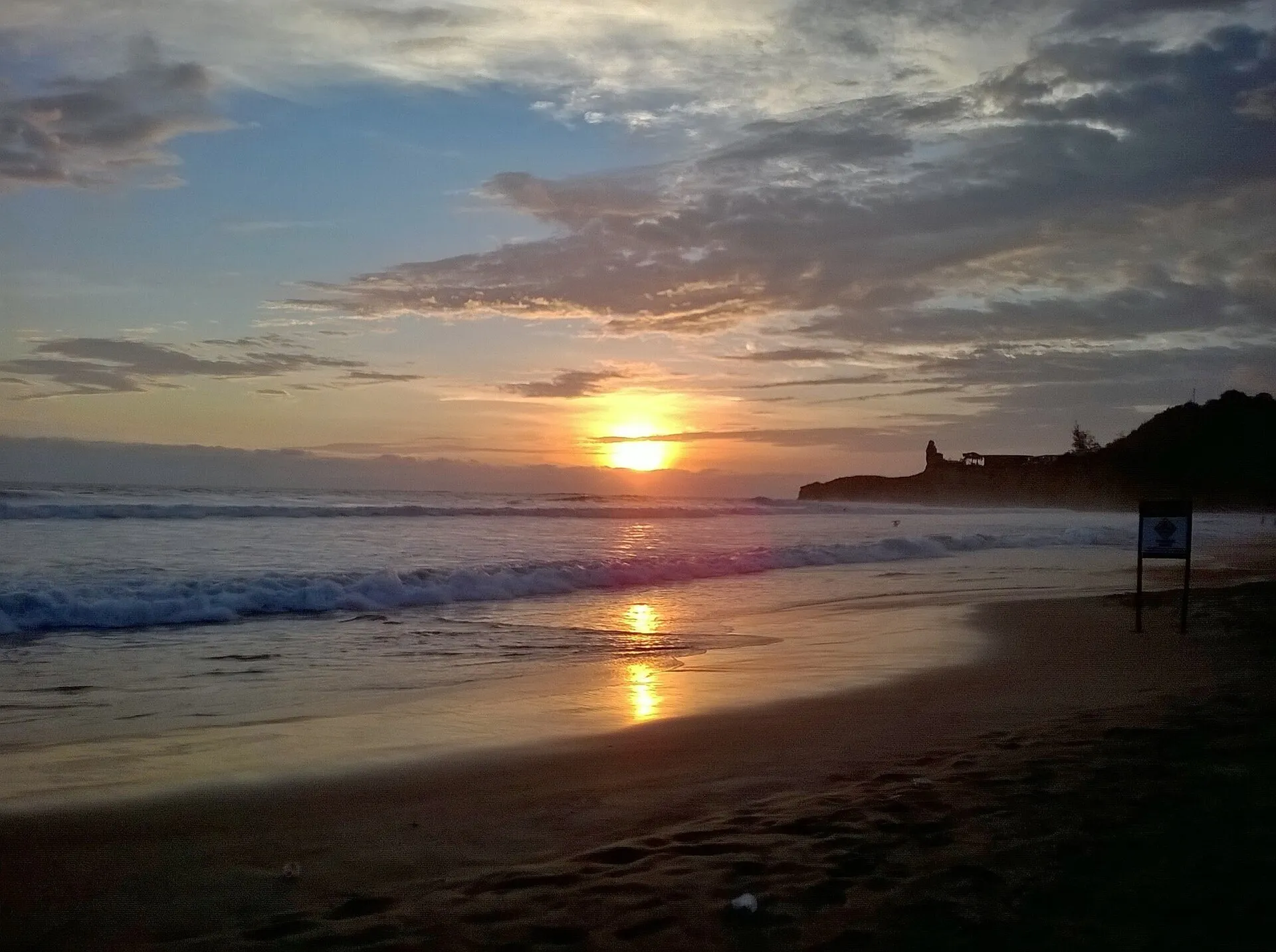
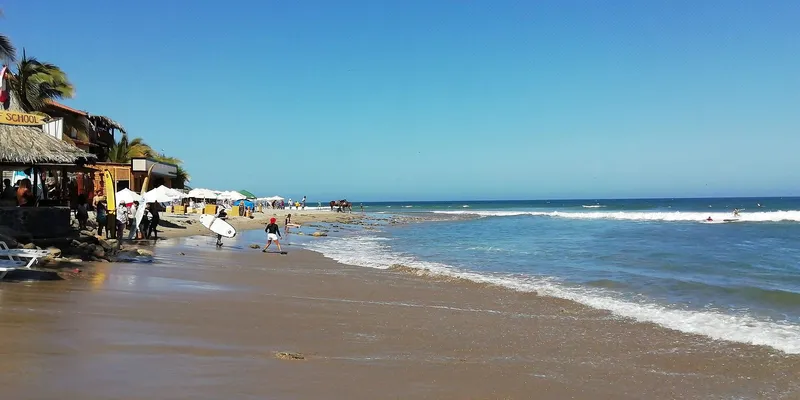
- Beautiful Pacific beach with consistent surf and an active outdoor scene
- Warm, welcoming local culture and an established international crowd
- Slow, unreliable internet with regular outages
- Very limited coworking options and cafe-work culture is underdeveloped
- Party atmosphere can be relentless, particularly on weekends and in high season
- Far from an international airport, making arrivals and departures a half-day project
- Limited healthcare, with the nearest decent hospital in Santa Elena or Guayaquil
- Low English proficiency among locals; Spanish is essential for daily life
Who Montañita Is Best For
Montañita works best as a short-term base of 2-6 weeks for nomads who are between more connected hubs and want beach time without beach prices. If you surf or want to learn, it is one of the better-value surf towns in South America. The social scene is easy to plug into, and the cost of living makes it a good place to decompress after more expensive destinations.
It suits people who can manage their work in focused morning blocks before the day fills up, who have a decent cellular data plan as a backup, and who are not on tight daily deadlines requiring rock-solid connectivity.
Skip it if reliable fast internet is non-negotiable for your work. Also skip it if you are noise-sensitive, if you need specialist healthcare nearby, or if you are looking for a polished co-working environment. Designers running large file transfers, developers on video calls all day, or anyone who genuinely needs 50+ Mbps will find it frustrating. For long-term basing, most nomads eventually drift to Quito, Cuenca, or Medellin for better infrastructure and more to do week-over-week.