Cost of Living in Jinja
Where this figure comes from. No cost survey covers Jinja, so the $700 a month above is our own estimate rather than a measurement. On 416 of our 999 city guides the figure is built from a published Numbeo basket, a one-bedroom rent in the centre plus one person's monthly costs without rent, converted to USD; this city is not one of them. How we source everything.
Budget around $700 a month as a solo remote worker in Jinja, which is inexpensive even by East African standards. A one-bedroom apartment or a room in a shared house runs roughly $200 to $400, with the riverside properties at the upper end. Local food and produce cost very little, and the markets are excellent value. Imported goods and anything Western carry a substantial premium, as does eating in the tourist-facing restaurants along the main street. Transport by boda boda motorbike costs a dollar or two. The costs to plan for are backup power and reliable water. Ugandan landlords commonly ask for six months or a year of rent in advance, which is the largest single shock for a new arrival and is negotiable rather more often than people assume. Budget for a water tank if the house does not already have one, since the mains supply is intermittent rather than absent. Prices are frequently quoted differently to foreigners, and while the gap is small in absolute terms it is worth establishing local rates early. Private health cover is inexpensive and worth carrying, since the good clinics are the private ones.
Where to Work in Jinja
Jinja has a small coworking presence serving the NGO and adventure tourism sectors, which are the town's two main employers of foreigners. Ugandan fixed broadband reaches the town and is usable, though speeds are modest and reliability inconsistent, and power interruptions take connections down with them. Mobile data is cheap, widely used and often the more dependable option, with most residents keeping a second SIM. Anyone whose work requires uninterrupted video calls should test a specific connection carefully and budget for a backup, since the infrastructure will not carry a demanding schedule unaided. The time zone works well for European hours, at three ahead of London, and leaves an early start against the American east coast rather than an impossible one. A solar setup with a battery is what the better rentals and guesthouses have, and asking about that specifically is far more useful than asking about wifi. Uganda has also periodically taxed or restricted social media and messaging access, which matters particularly if your work depends on a platform that has been targeted before.
Getting Around Jinja
Jinja is small and the central grid of colonial-era streets is walkable. Boda boda motorbike taxis cover everything else for a dollar or two and are the normal way to move, with the accompanying risk. Matatu minibuses run to Kampala in about two hours, though the traffic entering the capital makes that unpredictable. The Nile, the dam and the rafting put-in points are all within a few kilometres. Entebbe airport is around three hours away. A car or motorbike is useful for the surrounding villages and the source of the Nile but is not needed daily. On the bodas, the practical mitigation is specific: use the app-based services where they operate, carry your own helmet, and refuse a rider who will not slow down, because road injury is the single most likely thing to go wrong for a foreigner in Uganda. Avoid intercity road travel after dark, which is standard practice among residents rather than caution for its own sake. The Kampala highway is heavy with freight and the accident rate reflects it.
Sorting transport? Book an airport transfer, or compare car rental on Auto Europe and QEEQ.
Visas for Jinja
Uganda issues an e-visa in advance to most nationalities, valid for ninety days and extendable in country. The East Africa Tourist Visa covers Uganda, Kenya and Rwanda for ninety days on a single application and is worth considering for a regional trip. There is no Ugandan digital nomad visa. Longer stays run through work permits tied to an employer or an NGO, which is the route most resident foreigners here take. Yellow fever vaccination is required for entry and should be arranged well before travel along with malaria prophylaxis. Anyone entering overland from Kenya or Rwanda should check which visa they hold, since the regional tourist visa and the single-country one behave differently at the border. Extensions are handled at the immigration headquarters in Kampala rather than locally, so getting one is a day trip, and it is far easier arranged before the ninety days expire than after. Overstaying carries a daily fine collected on departure. Carry a printed copy of the e-visa approval as well as a digital one, since the systems at the border are not always reachable and a paper copy settles in a minute what can otherwise take an hour.
Best Time to Visit Jinja
Jinja sits almost on the equator, so temperature barely changes and the seasons are about rain. The two drier windows, roughly December to February and June to August, are the most comfortable and the best for rafting and for the roads. The long rains from March to May and the short rains in October and November bring heavy afternoon storms rather than all-day drizzle, and the Nile runs high, which changes the rapids. Daytime temperatures sit in the high twenties year-round with cool nights, moderated by the altitude at around 1,100 metres. Daylight is the constant that surprises people. Sunrise and sunset barely move across the year, both around six, so the working day is fixed in a way it never is at higher latitudes and there is no long summer evening at any point. Malaria risk rises after each rainy season. One genuinely local phenomenon is the lake fly, vast harmless swarms that drift off Lake Victoria in the calmer months and look like columns of smoke on the water from a distance.
Pros and Cons of Jinja
Jinja puts the source of the Nile, world-class white water and a relaxed small town with a genuine colonial-era street grid within two hours of Kampala. Costs are very low, English is an official language and widely spoken, and there is a small but real community of foreign residents around the adventure and NGO sectors. The infrastructure is basic, and power and internet both fail, the roads and the boda bodas are a genuine safety issue, and healthcare is limited enough that serious cases mean Kampala or a flight. The town is also small enough that its social world is quickly exhausted, which is why most foreign residents here are on a defined contract rather than an open-ended stay. The Isimba dam has flooded a stretch of the river and several of the rapids that made this town's reputation, so the rafting is still good and is not what it was a decade ago. And Uganda's Anti-Homosexuality Act, passed in 2023, carries severe penalties, which makes the country unsafe for LGBT visitors in a way that nothing else on this page outweighs.
Who Jinja Is For
The river and the adventure sports bring most people, along with development sector workers who need a base outside Kampala. An income flexible enough to survive an unreliable connection is the one requirement; very low costs and a warm climate are the reward for it. A demanding video-call schedule will not survive the connection here, dependable healthcare means Kampala, and the everyday risk carried by boda boda transport and Ugandan road conditions is real enough that anybody uncomfortable with it should factor that in before booking rather than after arriving. There is a climatic argument as well. Sitting on the equator at altitude produces weather that is warm and even rather than tropical in the sticky sense, which is a combination surprisingly few places offer. Of the bases in Uganda, Kampala has the connectivity, the hospitals and the professional network while Jinja has the river and the quiet, which is why a good number of people work in one and spend weekends in the other. It suits a defined stretch, a season of guiding, a contract, a project, far better than an indefinite stay. Anyone considering a volunteer placement should research the organisation carefully, since the sector here includes a good deal that does more for the volunteer than for the community.
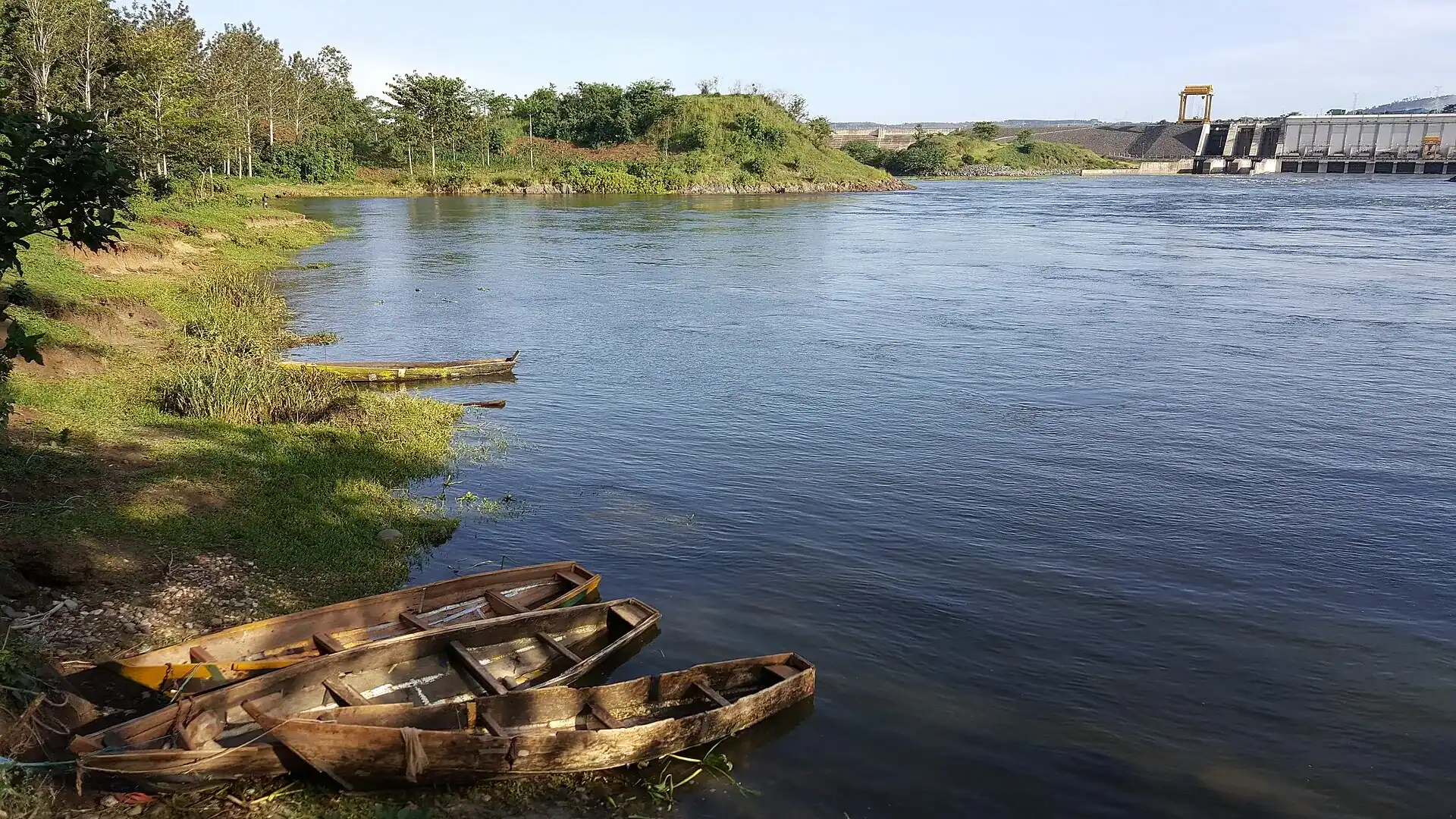 Photo: Safaritravelplus / Wikimedia Commons (CC BY-SA 4.0)