Cost of Living in Dar es Salaam
Real market data
Source: Numbeo · September 2026
$880/moSolo nomad1-bed centre + living costs
$1,140/moCoupleshared 1-bed + costs
$520/moLean / localcheaper area + costs
- 1-bed rent, city centre$560TZS 1,480,949
- 1-bed rent, outside centre$190TZS 515,139
- Monthly costs excl. rent (1 person)$320TZS 851,706
- Meal, inexpensive restaurant$2TZS 5,000
- Monthly transit pass$15TZS 39,000
- Buy price, per m² (centre)$1,530TZS 4,035,653
Prices are from Numbeo (September 2026), converted to USD at $1 = 2642.96 TZS (01 Aug 2026). The monthly living-costs figure is our transparent one-person basket, groceries, a few meals out, utilities, phone, internet, transport and essentials, priced from those figures. Solo adds central rent; couple and lean are estimates from the same numbers. The guide below quotes its own monthly range, which is a different measurement rather than a competing one: this table prices a defined basket at the figures above, while that range is a judgement about how somebody actually lives here.
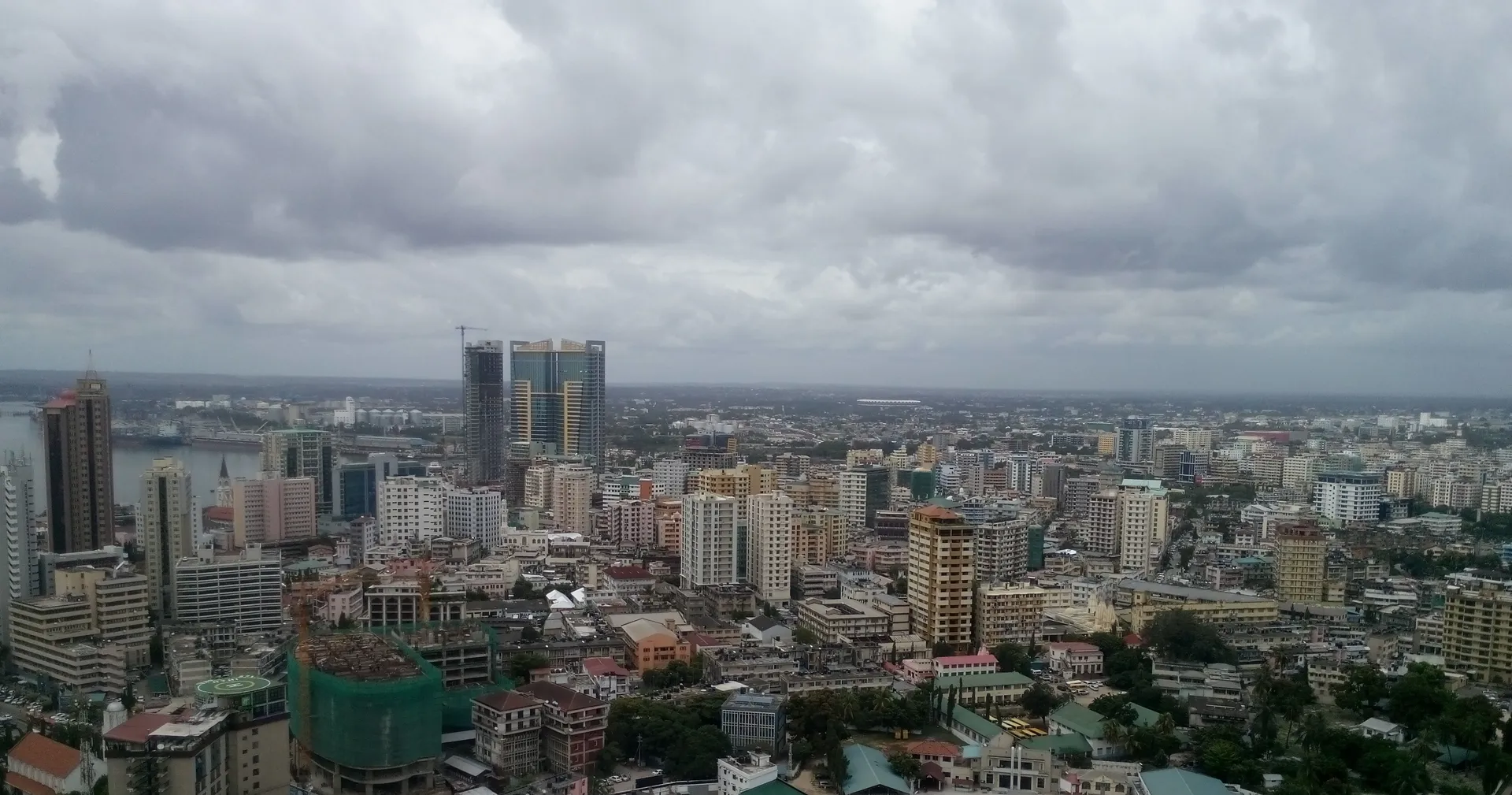
Dar es Salaam sits in the mid-range for East Africa. Costs vary sharply depending on whether you live like a local or an expat, and your neighborhood choice makes the biggest difference.
- Rent, central expat areas (Masaki, Oyster Bay, Msasani): $605-1,170/month for a furnished 1-bedroom
- Rent, cheaper areas (Mikocheni, Regent Estate): $380-680/month
- Groceries (imported supermarket): $95-150/month
- Eating out (local restaurants): $2-5.50 per meal; international restaurants $9.50-23
- Coworking hot-desk: $130-170/month
- Local transport (Uber/Bolt per ride): $2-5.50
- Total realistic monthly range: $870-1,970 depending on lifestyle
Cash dominates. Card acceptance is limited outside major hotels and upscale restaurants. The local currency is the Tanzanian Shilling (TZS), with roughly 2,600 to the US dollar in mid-2025. Budget around $1,200-1,500/month for a comfortable nomad lifestyle with a coworking membership, eating a mix of local and international food, and using Uber for transport.
Where to Work
The coworking scene is real but small. Your best options are concentrated in Oyster Bay and the Msasani Peninsula, where the expat population and embassy staff create enough demand for professional workspace.
KOFISI Oyster Bay on Toure Drive is the most polished option, with ocean views, fast fiber, phone booths, and a professional atmosphere. Hot desks run around $130-150/month. Seedspace Dar es Salaam on New Bagamoyo Road targets startup founders and tech workers; it is affordable and has a community feel. AMMI Spaces in the CBD at NIC Investment House offers hourly and daily rates, which suits you if you only need workspace occasionally.
Cafe working is possible but requires realistic expectations. Kahawa Cafe at Shoppers Plaza in Masaki has reliable WiFi, good coffee, and is openly laptop-friendly. The Slipway complex in Msasani has a cluster of cafes with outdoor seating and free WiFi, though the signal is variable.
A good connection in Dar es Salaam is adequate for video calls but not for large file transfers. 4G mobile data is fast and cheap, and a local SIM from Vodacom or Airtel Tanzania makes a reliable backup. Fiber connections in coworking spaces are consistent; cafe WiFi varies significantly by location and time of day.
Getting Around
Dar es Salaam is a sprawling, traffic-heavy city. Walkability is low in most areas, and the heat makes extended walking uncomfortable for much of the year. Plan your life around transport.
Uber and Bolt are both active and should be your default. Fares are low by global standards, roughly $2-6 for a typical city trip, and you avoid the negotiation and safety risks of street taxis. Always use the app, never hail cabs off the street.
Dalla-dallas (shared minibuses) are the main public transit option and extremely cheap, but overcrowded and associated with high rates of petty crime and harassment, particularly for women. The BRT (Bus Rapid Transit) corridor on Morogoro Road is a safer and faster public option if your route aligns.
Traffic congestion is severe during morning and evening rush hours. A trip that takes 15 minutes at noon can take over an hour at 5:30 PM. If your work schedule is flexible, avoid moving around between 7-9 AM and 5-7 PM.
Julius Nyerere International Airport is around 12 km southwest of the city center. An Uber typically costs $11-19 and takes 30-60 minutes depending on traffic. There is no dedicated rail link.
Sorting transport? Book an airport transfer, or compare car rental on Auto Europe and QEEQ.
Visas and Staying Long-Term
Tanzania has moved away from visa-on-arrival and now strongly prefers travelers to obtain an eVisa before departure. Most Western passport holders (US, UK, EU, Australia, Canada) can apply online at visa.immigration.go.tz. The standard tourist eVisa costs $50 and permits a single entry stay of up to 90 days. A multiple-entry visa runs $100 and is valid for one year, which works well if you plan to travel regionally and return.
Processing typically takes 7-10 business days. Tanzania does not currently offer a dedicated digital nomad visa. Extensions within Tanzania are possible through the immigration department but are not straightforward; most nomads simply exit to Kenya, Mozambique, or Zanzibar and re-enter on a fresh visa. A small number of passport holders from neighboring African countries and a few others are eligible for visa-free entry.
Best Time to Visit
Dar es Salaam is hot and humid year-round, with temperatures holding between 27-32 degrees Celsius (80-90 F) in all months. The deciding factor for your visit is rainfall.
There are two rainy seasons: the long rains from March to May (heavy, often daily downpours) and the short rains from October to December (shorter bursts, less intense). April is the wettest month and the least appealing time to be in the city, with flooded roads and high humidity.
The best window for remote work is June to September. This is the dry season: lower humidity, minimal rain, and cooler nights. July is the driest month. You will still be in the tropics, so manage expectations, but this period makes the city noticeably more comfortable. January and February are also dry and relatively pleasant.
If you plan to explore the surrounding region, the dry season also aligns with peak safari conditions in northern Tanzania, which pairs well with a Dar es Salaam base.
Pros and Cons
- Genuinely low cost of living if you eat local and live outside the expat bubble
- Swahili coast culture, fresh seafood, and proximity to Zanzibar (a short ferry or flight away)
- Growing tech and startup scene with real coworking infrastructure
- English widely spoken in business contexts and expat areas
- Direct international flights to multiple African hubs, Dubai, and European cities
- Warm, welcoming people and a slower pace of life that suits longer stays
- Traffic congestion is genuinely bad and can consume hours of your day
- Heat and humidity are relentless outside the June-September window
- Safety requires active management: walking after dark is inadvisable in most areas
- WiFi reliability outside coworking spaces is inconsistent
- Card payments are rare; cash management is a daily logistical reality
- Air quality in the CBD suffers from vehicle emissions; the city lacks meaningful green transit
Who Dar es Salaam Is Best For
Dar es Salaam suits nomads who want an authentic East African city experience without the tourist-trap feeling of Zanzibar or the frenetic pace of Nairobi. If you are working on Africa-focused projects, exploring the continent, or want to be genuinely embedded in a Swahili coast city rather than a resort, this is a strong choice. It rewards people who are flexible, comfortable with logistics that require planning, and not dependent on always-on fast internet.
It is a particularly good fit for those spending 1-3 months who want access to safaris and Zanzibar on the side, or for founders and creatives connecting with the local tech community around Seedspace and Buni Hub.
Skip Dar es Salaam if you need consistently fast internet for large uploads or video production, if heat and humidity significantly affect your productivity, or if you rely heavily on walking and spontaneous movement. Nomads who prefer structured, well-connected cities with dense cafe cultures and good public transit will find the city frustrating.