Cost of Living in Libreville
Where this figure comes from. No cost survey covers Libreville, so the $1,800 a month above is our own estimate rather than a measurement. On 416 of our 999 city guides the figure is built from a published Numbeo basket, a one-bedroom rent in the centre plus one person's monthly costs without rent, converted to USD; this city is not one of them. How we source everything.
Budget around $1,800 a month as a solo remote worker in Libreville, which is expensive for Africa and reflects an oil economy with a small population and heavy import dependence. A one-bedroom place runs roughly $700 to $1,200, with Quartier Louis and the areas near the embassies at the top of that. Groceries are expensive and much of what is on the shelves is French. Gabon has consistently ranked among the costlier African capitals for expatriates. The CFA franc is pegged to the euro, which removes currency risk entirely. This is our own estimate rather than measured data. Gabon has repeatedly appeared near the top of expatriate cost-of-living surveys for Africa, and the reason is structural rather than temporary: a small domestic market, almost no manufacturing and a food supply that arrives by ship. Fibre where available runs $80 to $150 a month for modest speeds, among the worst value on this site. A vehicle is close to essential and fuel, while subsidised, is one of the few genuinely cheap things here.
Where to Work in Libreville
Libreville's connectivity is modest: fibre reaches parts of the city and mobile data from Airtel and Moov is the usual answer, with prices high relative to speed. Power cuts happen and any serious office runs a generator. There is very little coworking. French is the language of everything administrative and commercial, and English is genuinely rare, which is the main practical filter for working here. The country sits in central European time in the northern winter, which makes it one of the easiest African bases for anyone working European hours. The time zone is the practical advantage worth naming: Gabon runs one hour ahead of GMT year-round, so a London morning is a Libreville morning and the whole European working day is available without either side compromising. Coworking barely exists, so a flat with a generator and a reliable connection is the arrangement to look for rather than a desk. Oil output has been falling for years and the state has pushed hard into timber and manganese instead, banning the export of unprocessed logs to force the milling to happen here. That policy is the reason the industrial zone outside the city exists, and it is where most of the new work is.
Getting Around Libreville
Libreville stretches along the Atlantic coast with the Boulevard du Bord de Mer running its length, and that seafront is the most pleasant part of the city to be in. Shared taxis, hailed by calling out a destination and a price, are the standard way to move and cost very little. Traffic is heavy on the main axes. Leon Mba airport is close to the centre with flights to Paris, Istanbul and across West and Central Africa. The national parks, which are Gabon's real case, are reached by internal flight or a long drive. Reaching the parks is the expense that defines a stay here: Loango is an internal flight to Port-Gentil then a boat and a drive, or a very long road journey, and the lodges are priced accordingly. Ivindo and Lope are reached by the Trans-Gabon railway, which is slow, scenic and the cheapest way into the interior by a wide margin.
Sorting transport? Book an airport transfer, or compare car rental on Auto Europe and QEEQ.
Visas for Libreville
Gabon operates an e-visa system that most nationalities can apply for online before travel, with approval usually returned within a few days and the visa issued on arrival, typically for stays of up to ninety days. A yellow fever certificate is required for entry. There is no remote work visa. Longer stays require a residence permit arranged through an employer or local sponsor, which is slow. Gabon has changed its entry procedures more than once in recent years. Gabon suspended and then restored various entry procedures around the 2023 transition, and airlines have not always tracked the changes, so carrying printed approval matters more here than in most places. The yellow fever certificate is checked properly on arrival rather than waved through. This country belongs to the central African bloc rather than the western one, and the regional passport that lets member-state citizens move freely is of no use to anybody holding another one, so a trip to a neighbouring capital means a second visa arranged in advance rather than a stamp at the border.
Best Time to Visit Libreville
Gabon sits on the equator and is hot and humid all year at around thirty degrees. The calendar turns entirely on rain, and there are two dry seasons: a long one from June to September and a short one in December and January, which are the practical windows. The long rains from February to May and the shorter ones in October and November are heavy. The long dry season is also when the beaches at Loango are best for seeing forest elephants and buffalo come out onto the sand, which is Gabon's signature image. The long dry season from June to September is also when the surf picks up on the Atlantic beaches and when the humpbacks pass Gabon's coast, which is a lesser-known migration than the East African one and largely unvisited. Humidity stays high even in the dry months, so the seasons differ in rainfall rather than in comfort.
Pros and Cons of Libreville
Gabon protects around eleven per cent of its territory in national parks, created in a single decision in 2002, and the country is nearly ninety per cent forest with a population of two and a half million. Loango National Park has elephants and hippos on Atlantic beaches, which exists nowhere else. Libreville is expensive, French is unavoidable, and the connection is weak, the country has had its share of political instability including a coup in 2023, and reaching the parks requires organisation and money rather than a bus ticket. The country is also one of the few in Africa where forest cover has increased rather than fallen, largely because the oil economy never required logging revenue. The 2023 coup ended fifty-five years of rule by one family and the transition is ongoing, so the political situation is genuinely unsettled rather than merely noted, and anyone planning more than a short stay should be following it rather than assuming stability.
Who Libreville Is For
Central African wildlife and the budget to reach it, or work in oil, timber or conservation, which is where the contacts actually are, and French throughout. French is essential, oil-economy prices make Libreville expensive on any budget, and the national parks that justify Gabon on paper are not reachable from the capital in a way that a weekend allows. Read current guidance on Gabon's political situation before planning a long stay rather than after arriving. Anybody researching gorillas or forest elephants comes here by necessity rather than preference, because Gabon holds the largest remaining populations of both anywhere in Central Africa. Carbon markets and forest policy are a live professional reason to be here. Gabon has deliberately made itself the test case for paying a country to leave its forest standing, and a good deal of the international activity around that idea passes through this capital.
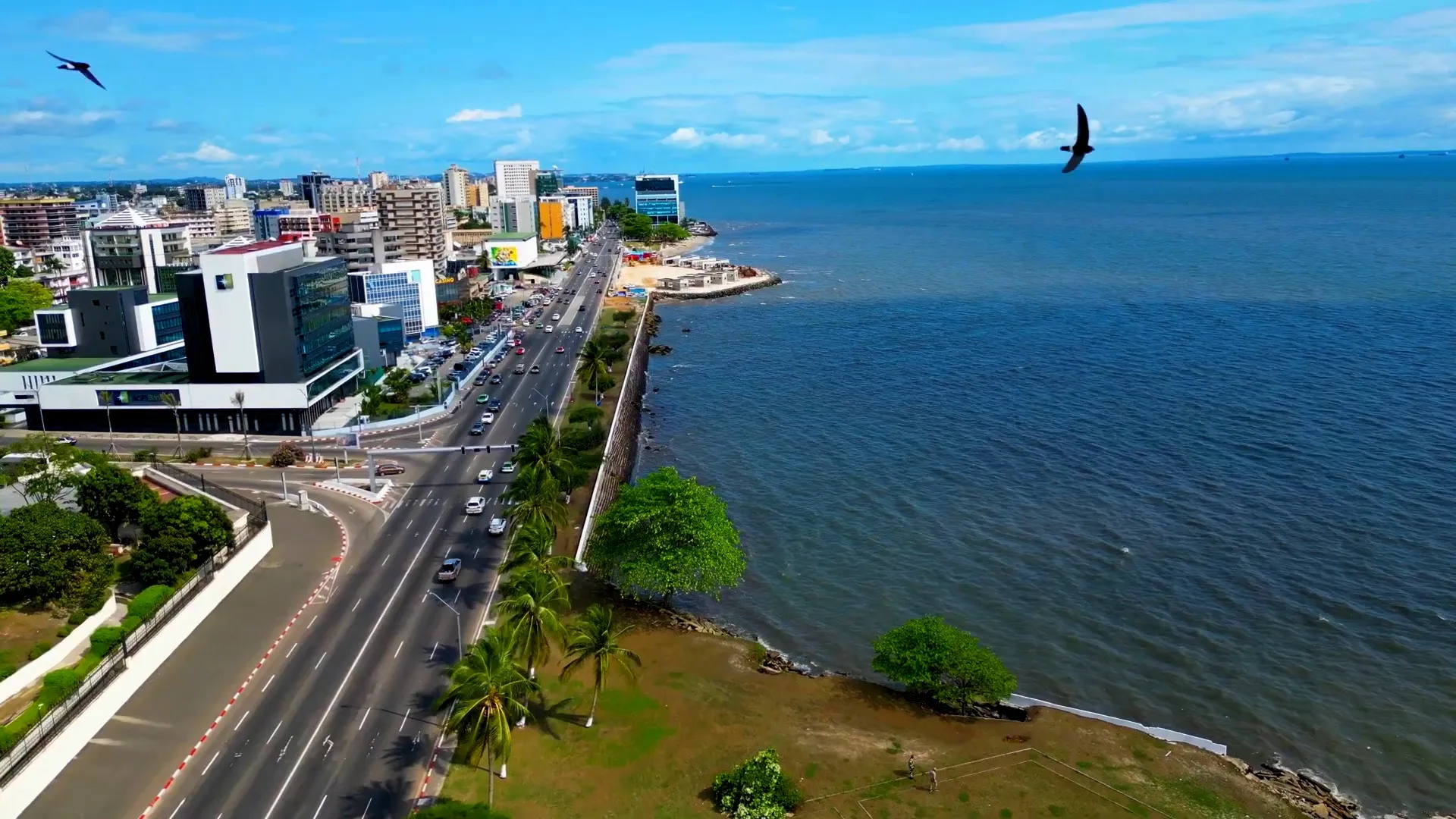 Photo: Shirmy25 / Wikimedia Commons (CC BY-SA 4.0)