Cost of Living in English Harbour
Where this figure comes from. No cost survey covers English Harbour, so the $2,000 a month above is our own estimate rather than a measurement. On 416 of our 999 city guides the figure is built from a published Numbeo basket, a one-bedroom rent in the centre plus one person's monthly costs without rent, converted to USD; this city is not one of them. How we source everything.
Budget around $2,000 a month as a solo remote worker at English Harbour, which is expensive for the region and reflects a yachting economy. A one-bedroom place runs roughly $800 to $1,300, with anything on the water at the top of that and the villages inland considerably cheaper. Antigua imports nearly all of its food and the supermarket bill is the line most people underestimate. Eating at a local place in Falmouth or Liberta costs a fraction of the dockyard restaurants. The East Caribbean dollar is pegged at 2.7 to the dollar. This is our own estimate rather than measured data. Rents move with the season more sharply here than anywhere else nearby: a place let by the month in September can cost twice that in February, when the boats are in and the crews need beds. Antigua has a chronic water problem and much of the supply is desalinated, so water charges are a real line rather than a rounding error. Sales tax runs at fifteen per cent and is usually inside the shelf price, though not always on a restaurant bill, which is worth checking before adding anything on top.
Where to Work in English Harbour
Antigua's connectivity is reasonable and better around English Harbour than the island average, because the yachting industry needs it: fibre reaches the dockyard area and Falmouth at workable speeds and mobile data covers the island. There is a small amount of coworking in St John's and around the harbour, some of it opened while the island ran its Nomad Digital Residence scheme. Power cuts happen. English is the only language required, and the international sailing crowd means the working population here is unusually cosmopolitan for an island of ninety thousand. Anyone whose work involves the marine industry will find a genuine professional network here, in a way that is true of very few small islands. The working population turns over on a schedule: crews arrive with the boats in November and go again in May, so the people you meet in January are mostly not here in July. The marine trades are the one steady employer, from rigging and sailmaking to provisioning and yacht management, and they take on foreigners who turn up with a skill more readily than most industries on any small island. The quiet months are when the work actually gets done.
Getting Around English Harbour
English Harbour and Falmouth Harbour sit next to each other at the southern end of Antigua and both are walkable, with Nelson's Dockyard, the restaurants and the marinas within twenty minutes of each other. Minibuses run to St John's, the capital, in about forty minutes for very little. Driving is on the left and a local permit is required. V. C. Bird International is the best-connected airport in the Eastern Caribbean, with direct flights to London, New York, Miami and Toronto, which is a genuine advantage of basing here. The walk up to Shirley Heights from the dockyard takes about forty minutes and is the standard way to reach the Sunday evening party. Buses do not run on Sundays and stop early on the days they do, which makes a car or a scooter close to necessary for living here rather than visiting. Taking a lift from a passing car is ordinary and safe on this island and accounts for a good deal of the local movement around the two harbours. The airport sits over on the other side of the island, which is the one journey that needs planning.
Sorting transport? Book an airport transfer, or compare car rental on Auto Europe and QEEQ.
Visas for English Harbour
Antigua and Barbuda's Nomad Digital Residence, the two-year remote work permit the island was known for, has ended. The Department of Immigration closed it on 15 November 2025, its official site now says the programme has ended, and no replacement scheme has been announced. What remains is the ordinary visitor stay. British, American and most European passport holders need no visa, and British visitors are admitted for up to ninety days on arrival. Staying longer means applying to the Immigration Department for an extension, which has to be paid for. Working for anyone on the island, the marine trades included, needs a work permit. The country also runs a citizenship by investment programme, which is priced for investors rather than remote workers and is a separate matter entirely. A season here is realistic on a visitor stay; a year is not something the rules now plan for.
Best Time to Visit English Harbour
December to April is the dry season and the sailing season, with steady trade winds, daytime temperatures around twenty-eight and the harbour full. Antigua Sailing Week at the end of April is the largest regatta in the Caribbean and fills every bed in the south of the island. May to November is hotter and wetter and the hurricane season runs through it; Antigua was spared in 2017 while Barbuda, its sister island, was rendered uninhabitable by Hurricane Irma and evacuated entirely. Barbuda is reachable by ferry or a short flight and is slowly being rebuilt, with its frigate bird colony among the largest in the world. The Classic Yacht Regatta runs in the week before it and brings in the older boats, which is the better event for anyone who would rather look at rigs than race them. Carnival falls at the end of July and the start of August and is held in St John's rather than down here, so the south of the island stays quiet through it. September is when much of the dockyard simply closes, which is worth knowing before a stay is booked inside it.
Pros and Cons of English Harbour
Nelson's Dockyard is the only continuously working Georgian naval dockyard in the world, a UNESCO World Heritage site that is still a marina rather than a museum, and the Sunday sunset party at Shirley Heights above it has run for decades. Antigua has the region's best flight connections and a claimed beach for every day of the year, though its two-year nomad visa ended in November 2025, so a stay now runs on the visitor allowance. Costs are high, the few remote workers here are mostly sailors and heavily overlapping with the sailing one, and the island empties considerably outside the season. The dockyard's Georgian buildings are also still in commercial use as hotels, offices and marina facilities, which is why it feels like a place rather than an exhibit. Antigua's coastline is unusually indented for its size, which is what produced the natural harbours the navy wanted and what gives the island so many separate small beaches rather than a few long ones. The south is where the yachting money is and the north is where the resorts are, and the two economies barely touch, which is why the place can seem expensive from one end and ordinary from the other.
Who English Harbour Is For
A sailor, or someone who wants to be around sailing, with the budget for a yachting town. The international crowd here is real and easy to join, which is rare on a small island. It rewards staying for the sailing season rather than a fortnight. A tight budget does not survive a yachting harbour in season, and anybody wanting a city will find St John's forty minutes away and modest even then. Anyone arriving in Sailing Week should book months ahead. Families find Antigua easier than its size would predict, since the schools and the medical facilities here are better than most islands with this population manage to sustain. With the nomad residence gone, anything past the visitor allowance depends on an extension from the Immigration Department, which makes English Harbour a base for a season rather than a move. Anyone whose interest is the sailing rather than the island itself should know that the boats leave in May and that the harbour in August is a different and much quieter place.
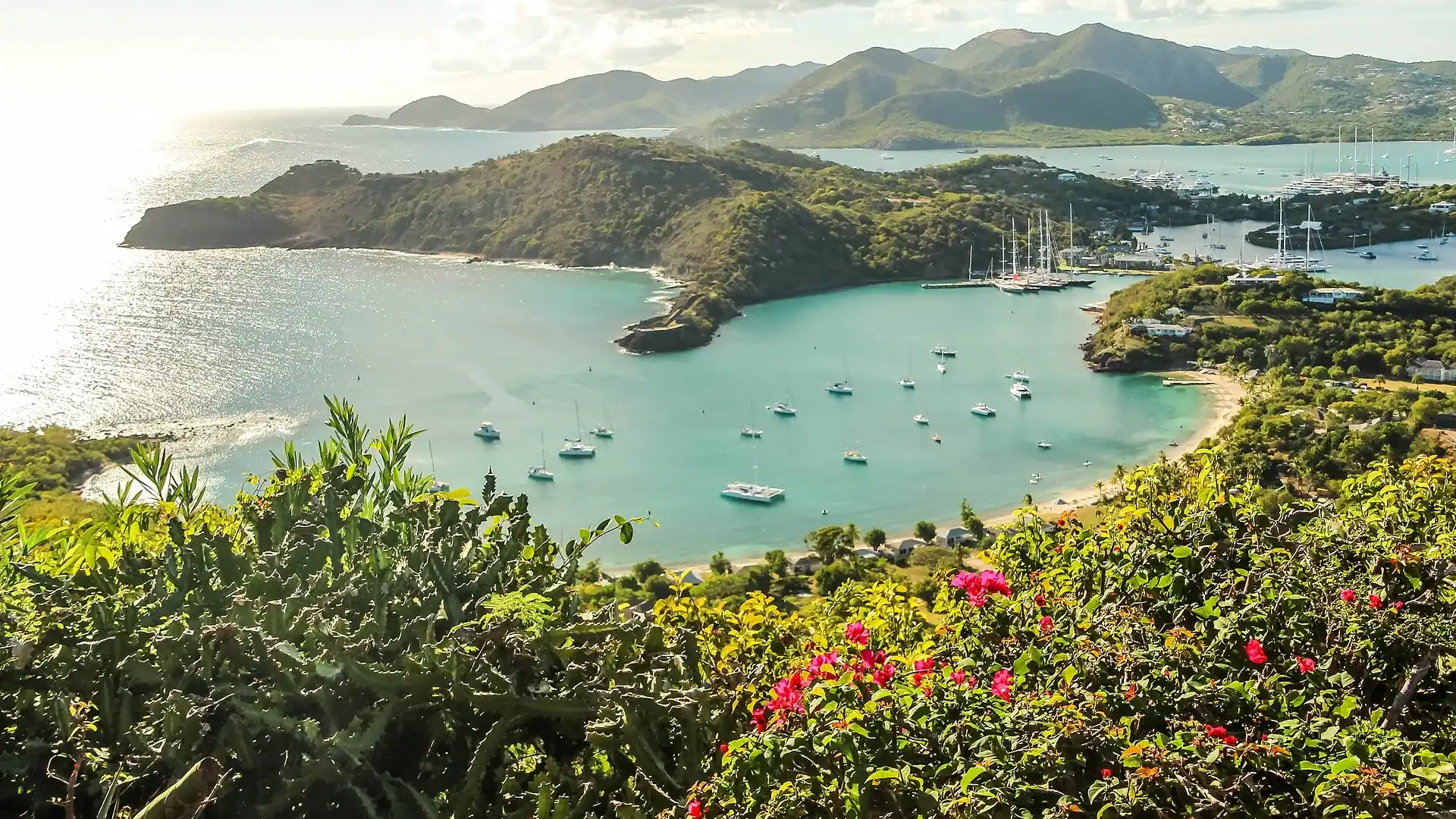 Photo: Dr. Thomas Liptak / Wikimedia Commons (CC BY 4.0)