Cost of Living in Gustavia
Where this figure comes from. No cost survey covers Gustavia, so the $3,600 a month above is our own estimate rather than a measurement. On 416 of our 999 city guides the figure is built from a published Numbeo basket, a one-bedroom rent in the centre plus one person's monthly costs without rent, converted to USD; this city is not one of them. How we source everything.
Budget around $3,600 a month, which makes Saint Barthelemy among the most expensive places on this site. A one-bedroom runs roughly $2,000 to $3,000 and villa rates in high season run into thousands per night, which is the market this island serves. Groceries are imported through Saint Martin and priced accordingly, with a French supermarket selling French products at a substantial markup. Restaurants are excellent and expensive throughout. There is no meaningful budget tier: the island decided decades ago what it was going to be. The euro is the currency and French banking applies. Off-season rentals from May through November fall a long way below the winter rates, and someone able to be here in the quiet months experiences a substantially different island economically. Water is desalinated and expensive, which shows in the bills for anything with a pool. Saint Barthelemy also has its own tax status within France, with residents of five years or more falling outside French income tax, which is part of why the permanent population is what it is.
Where to Work in Gustavia
Connectivity is good. Saint Barthelemy has fibre in Gustavia and the main settlements, French mobile networks with roaming that costs European visitors nothing, and reliable power. The infrastructure was rebuilt substantially after Hurricane Irma in 2017. There is no coworking in any formal sense, but the villas and hotels are equipped for people who work. The time zone is four hours behind GMT, which gives a comfortable overlap with both the eastern United States and, in the morning, with Europe, and that combination is one of the genuine practical arguments for the eastern Caribbean. The working population is seasonal in a way that shapes everything: the island fills with crew, hospitality staff and villa managers for the winter and empties through the autumn, so the people around you in March are not the people around you in September. The resident professional world is yachting, hospitality and property and almost nothing else. For anyone bringing their own work that is fine and rather the point; for anyone hoping to find work here, the season decides it and staff housing is the binding constraint.
Getting Around Gustavia
You need a small car, and small is the operative word: the roads are steep, narrow and full of hairpins, and the island's rental fleet is mostly Mini Mokes and compact hatchbacks for that reason. Gustavia itself is walkable. Saint Barthelemy is only about twenty five square kilometres, so nothing is more than fifteen minutes away. Gustaf III Airport has one of the shortest and most demanding commercial runways in the world, approached over a hill and landing towards a beach, served by small aircraft from Saint Martin and San Juan. The ferry from Saint Martin is the alternative to that landing and takes about forty five minutes, which is the sensible choice for anyone with luggage, since the small aircraft enforce tight weight limits and bags occasionally follow on a later flight. Scooters are common and suit the roads, though the gradients and the loose gravel on the steeper corners argue for some experience first. Parking in Gustavia is limited and the harbour front fills early, which is the one place on the island where arriving late actually costs you something.
Sorting transport? Book an airport transfer, or compare car rental on Auto Europe and QEEQ.
Visas for Gustavia
Saint Barthelemy is a French overseas collectivity, part of the French Republic but outside the European Union customs and Schengen areas, so a Schengen visa does not admit you and time here does not count against a Schengen allowance. French and European Union citizens have full freedom of movement and may live and work here without a permit. Most other Western nationalities enter visa-free for up to ninety days. There is no remote work visa. Arriving through Sint Maarten means clearing that territory's entry rules first. Anyone arriving by the small aircraft from Saint Martin should also note that the two territories keep separate records, and that the flight is treated as an international one. The customs status is the other half of that arrangement and it is why the island is a duty-free port, which shows up in the price of alcohol, tobacco and perfume rather than in anything else. Saint Martin is the French side and Sint Maarten the Dutch, which is a trap worth avoiding when booking: they are the same island under two administrations, and the international airport and most connections are on the Dutch side of it.
Best Time to Visit Gustavia
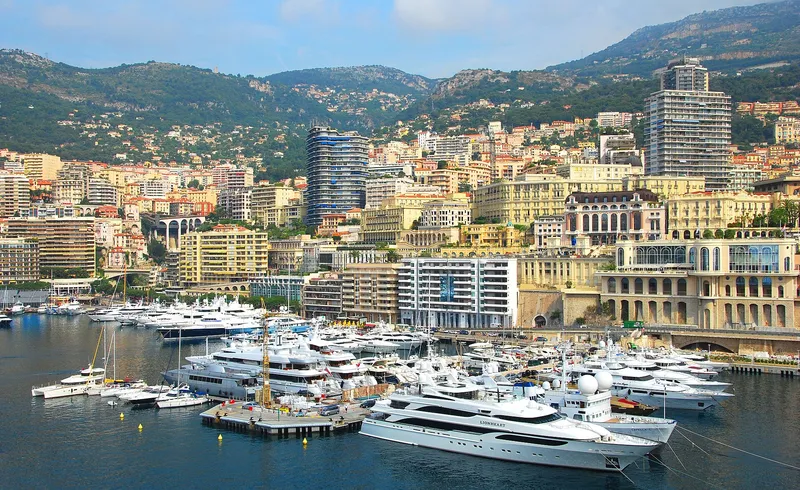
December to April is the dry season, the high season and the reason the island exists economically, with temperatures around twenty seven degrees, low humidity and the harbour full. Prices in that window are extraordinary and everything books months ahead. May, June and November are the shoulder months and the best value. Hurricane season runs June to November and Irma in 2017 caused severe damage across the island. August and September are the quietest months, when many restaurants close entirely and the island belongs to residents. The Saint Barth Bucket Regatta in March and Les Voiles de Saint-Barth in April are the two events that fill the harbour, and accommodation around them is booked a year ahead. New Year is the island's extreme. The harbour fills with the largest yachts afloat, restaurant tables are allocated rather than booked, and prices for those two weeks are unlike anything else in the Caribbean, so anyone who wants the island rather than the scene should avoid it entirely. Winter also brings northerly swells that close some of the north-facing beaches for a few days at a time, which is worth knowing if a particular beach is the whole plan.
Pros and Cons of Gustavia
Saint Barthelemy is genuinely beautiful and genuinely safe, with fourteen beaches to a population of about ten thousand, French food and wine at the standard you would expect, and infrastructure that simply works. Gustavia's Swedish street grid and warehouse buildings, left from the century when Sweden owned the island, give it a character no other Caribbean harbour has. Price filters everything here, and so does scale, since this is a small island with one town and a single season that pays for the whole year. Gustavia is also the only Caribbean harbour named after a Swedish king, and the street names, the belfry and the three forts are what remains of that period. Medical care runs to a small hospital, and anything serious means Saint Martin, Guadeloupe or Miami, so evacuation cover matters here as much as anywhere less polished. And the island's own housing shortage is severe, because almost every building that could be a home is worth more as a rental, which is a live local issue and the reason so much of the workforce commutes in from Saint Martin.
Who Gustavia Is For
Saint Barthelemy suits people with the budget to be here and a reason to want the eastern Caribbean specifically: the time zone works for American and European clients on the same day, the island is safe, and the food is excellent. It suits sailors. An ordinary budget has no business on St Barts, no community of remote workers has formed there, and variety is limited by an island this small where the season dictates what is open, what is full and what any of it costs. Pilots treat the approach into Gustaf III as a qualification in its own right. Flying it requires a specific certification, and it appears on every list of the most demanding commercial landings in the world. There is a cheaper way in that the island does not advertise: come in the quiet months, take a long let rather than a nightly rate, and the arithmetic changes considerably while the beaches do not. Anyone comparing the northeastern Caribbean will find Anguilla quieter and better set up for a long remote-work stay, Saint Martin far cheaper and busier, and this island the most polished and the least forgiving of a modest budget.
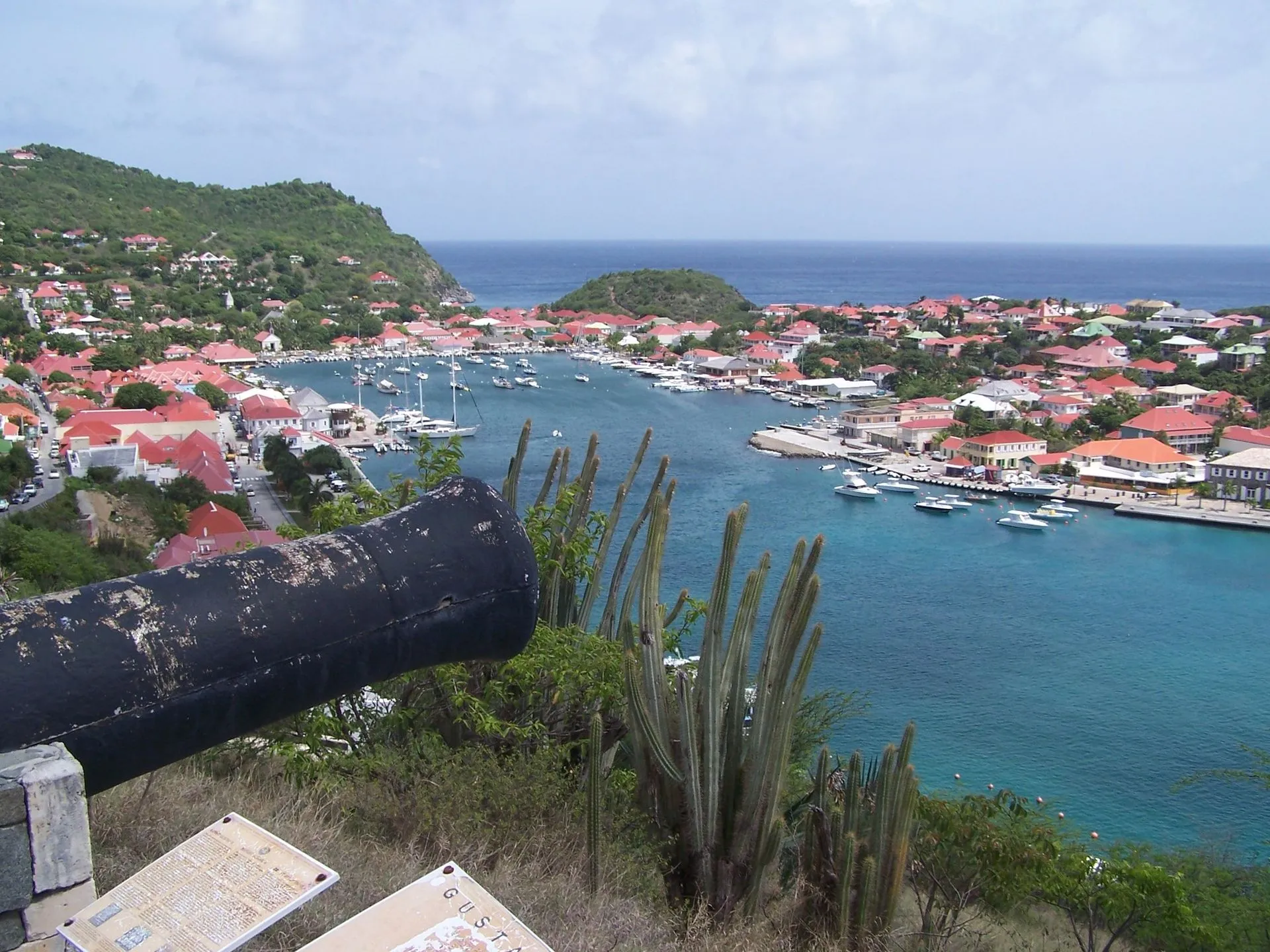 Photo: Kevin Gabbert - User: (WT-shared) Kevin James at wts wikivoyage / Wikimedia Commons (Public domain)