Cost of Living in Abidjan
Where this figure comes from. No cost survey covers Abidjan, so the $900 a month above is our own estimate rather than a measurement. On 416 of our 999 city guides the figure is built from a published Numbeo basket, a one-bedroom rent in the centre plus one person's monthly costs without rent, converted to USD; this city is not one of them. How we source everything.
A single nomad living carefully lands near $900 a month in Abidjan, though the city is expensive by West African standards and rewards anyone willing to live slightly outside the expatriate core. A furnished studio or one-bedroom in Cocody, Marcory Zone 4 or Plateau typically runs $400 to $700 a month on a monthly rental, with short-term serviced apartments pushing past $900. Groceries and a mix of maquis meals and mid-range restaurants cost $180 to $280; a plate of attieke and grilled fish at a neighbourhood maquis is under $4, while Zone 4 restaurants charge $15 upward. A local SIM from Orange, MTN or Moov with a generous data bundle costs $8 to $20 a month. Coworking desks run $80 to $150. Utilities including electricity and water average $40 to $80, with air conditioning the main variable. Transport is $40 to $90. Value is mediocre: prices resemble Southern Europe while services do not.
Where to Work in Abidjan
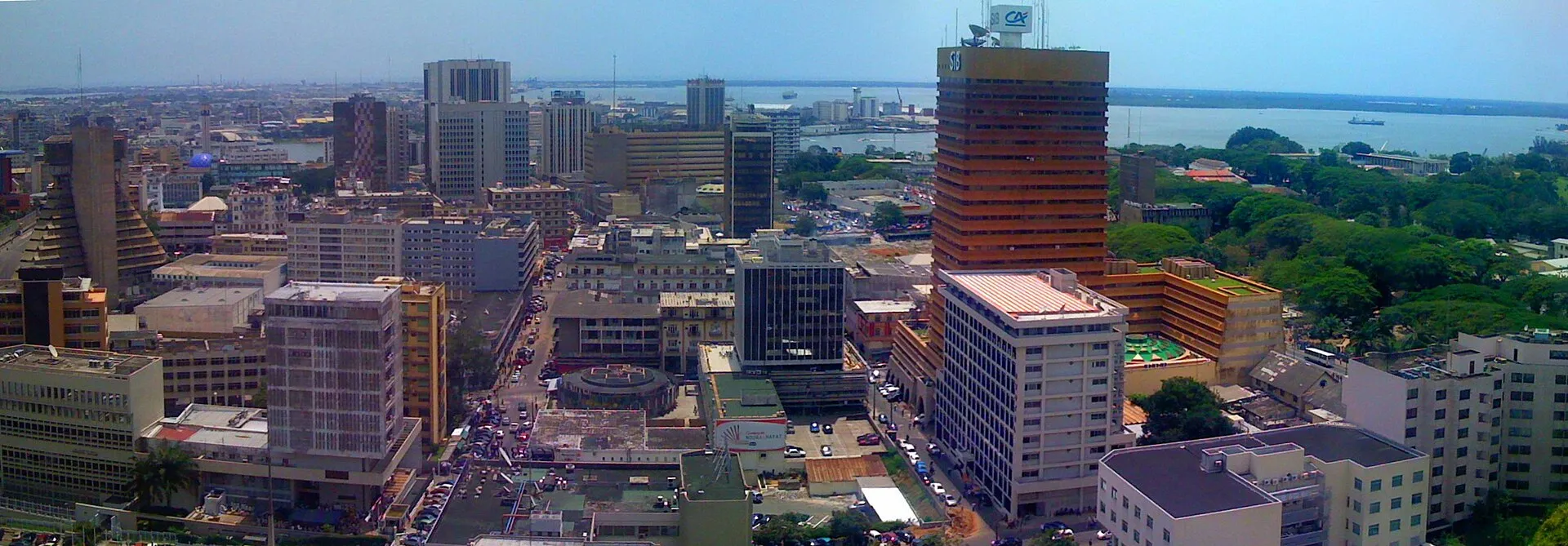
Base yourself in Cocody, particularly around Riviera and Deux Plateaux, or in Marcory Zone 4, which holds most of the expatriate cafes, restaurants and short-term apartments. Plateau is the business district and works for anyone wanting to be near corporate offices, but it empties in the evening and is not a comfortable residential base. The coworking supply is thin but real: several small operators cluster around Deux Plateaux and Cocody Angre, and incubator-style spaces attached to the local startup and fintech scene rent hot desks by the day or month. Hotel lobbies and the cafes and bakeries of Zone 4 fill the gap for casual work. Fibre in Cocody and Plateau is genuinely usable for video calls, but mobile 4G is the practical fallback and coverage is uneven. Power cuts and voltage dips are frequent enough that a laptop battery and a power bank matter.
Getting Around Abidjan
Abidjan sprawls across a lagoon and is not a walking city outside individual neighbourhoods, so plan on daily rides. Yango is the dominant ride-hailing app and is cheap: most crosstown trips cost $2 to $6, and a long run from Cocody to the airport is $8 to $15. Heetch also operates and is worth having installed as a backup. Orange metered taxis exist and can be flagged anywhere, but the fare is usually negotiated in advance rather than metered, so agree a price first. Woro-woro shared taxis and gbaka minibuses serve fixed routes for under $1 and are how most residents move, though they are crowded and hard to decode without local help. Lagoon boats between Treichville, Plateau and Abobo-Doume are a pleasant shortcut. Felix Houphouet-Boigny airport sits close to Port-Bouet, roughly 30 to 60 minutes from Cocody depending on traffic, which is severe. A private car is unnecessary. The city has been building a metro line for years now, and the works are still part of the traffic problem rather than a solution to it, though the bridges added over the lagoon in the last decade have genuinely helped.
Sorting transport? Book an airport transfer, or compare car rental on Auto Europe and QEEQ.
Visas for Abidjan
Cote d'Ivoire runs a pre-enrolment e-visa system rather than a true visa on arrival. Most Western passport holders, including EU, UK, Canadian and Australian citizens, apply online through the official Snedai portal before flying, pay the fee, and then receive the physical visa sticker at a dedicated counter at Abidjan airport on arrival, where fingerprints and photo are taken. US citizens benefit from a separate arrangement and are generally granted longer multi-entry visas issued through the embassy. The standard tourist entry is up to 90 days, commonly issued as a shorter single-entry validity, and extensions are handled in person through the immigration directorate in Abidjan, a slow and bureaucratic process best avoided by simply applying for the longer validity upfront. There is no digital nomad visa. Yellow fever vaccination is legally required and the certificate is checked. Carry a printed e-visa confirmation and a hotel address. Identification should be on you at all times, because checks on the road and in the street are routine and a photocopy is not always accepted. A passport left behind in a hotel safe is the usual cause of an avoidable and expensive conversation.
Best Time to Visit Abidjan
Abidjan has a hot, humid equatorial climate with two rainy seasons and no cool season at all; temperatures sit between 24 and 32 Celsius year round. The best window is December to March, the long dry season, when humidity eases and rain is rare. This period also brings the harmattan, when dust blown south from the Sahara hazes the sky, dulls the light and irritates sinuses, though Abidjan sits far enough south that the effect is milder than in the Sahel. The main rains run May to July and are genuinely heavy, with June the wettest month; streets flood, traffic seizes, and outdoor plans collapse. A shorter second rainy spell arrives in October and November. Ramadan, falling roughly in the first quarter through the late 2020s, is observed by a substantial Muslim minority in the north and among northern communities in the city, but Abidjan itself stays largely unaffected commercially. The Abissa festival at the old colonial capital along the coast runs for a week each autumn and is a public airing of grievances as much as a carnival, which makes it one of the more interesting things on the regional calendar.
Pros and Cons of Abidjan
The appeal is genuine energy: Abidjan is the economic engine of francophone West Africa, with a real restaurant and nightlife scene, excellent grilled fish and attieke, ocean and lagoon geography, direct flights across the region and to Europe, and a growing startup and fintech community that gives a visiting remote worker something to plug into. French is universally useful and the city feels cosmopolitan rather than provincial. Costs are high for what is delivered, the traffic is brutal and eats hours, and the nomad scene is effectively nonexistent, meaning almost no one is doing what a remote worker is doing and no community infrastructure exists to meet people through at all. Petty crime and phone snatching are a real concern after dark, especially in Adjame, Abobo and Treichville. Power cuts interrupt work, humidity is oppressive year round, air quality suffers during harmattan, and almost nothing outside expat zones runs in English.
Who Abidjan Is For
Everybody who comes here has an actual reason to be in West Africa: someone working on African market entry, development or logistics, a francophone speaker who wants a large, functioning city rather than a beach town, or a traveller building a longer regional loop through Ghana, Senegal and Benin who wants a comfortable base with reliable flights. Anyone who values a lively restaurant and music scene over cheap living will find it rewarding. A first-time nomad, or anyone arriving without functional French, will find this hard going, and there is no ready-made community to fall back on: turning up with no contacts reliably produces a lonely first month. Skip it if the budget is tight, since $900 buys far more in Southeast Asia or Latin America, if reliable uninterrupted power is non-negotiable, or if walkability and calm are what the work day requires.