Cost of Living in Lagos
Real market data
Source: Numbeo · August 2026
$1,070/moSolo nomad1-bed centre + living costs
$1,350/moCoupleshared 1-bed + costs
$760/moLean / localcheaper area + costs
- 1-bed rent, city centre$720NGN 988,144
- 1-bed rent, outside centre$410NGN 561,412
- Monthly costs excl. rent (1 person)$350NGN 475,087
- Meal, inexpensive restaurant$4NGN 5,000
- Monthly transit pass$19NGN 26,000
- Buy price, per m² (centre)$3,220NGN 4,386,285
Prices are from Numbeo (August 2026), converted to USD at $1 = 1364.06 NGN (01 Aug 2026). The monthly living-costs figure is our transparent one-person basket, groceries, a few meals out, utilities, phone, internet, transport and essentials, priced from those figures. Solo adds central rent; couple and lean are estimates from the same numbers.
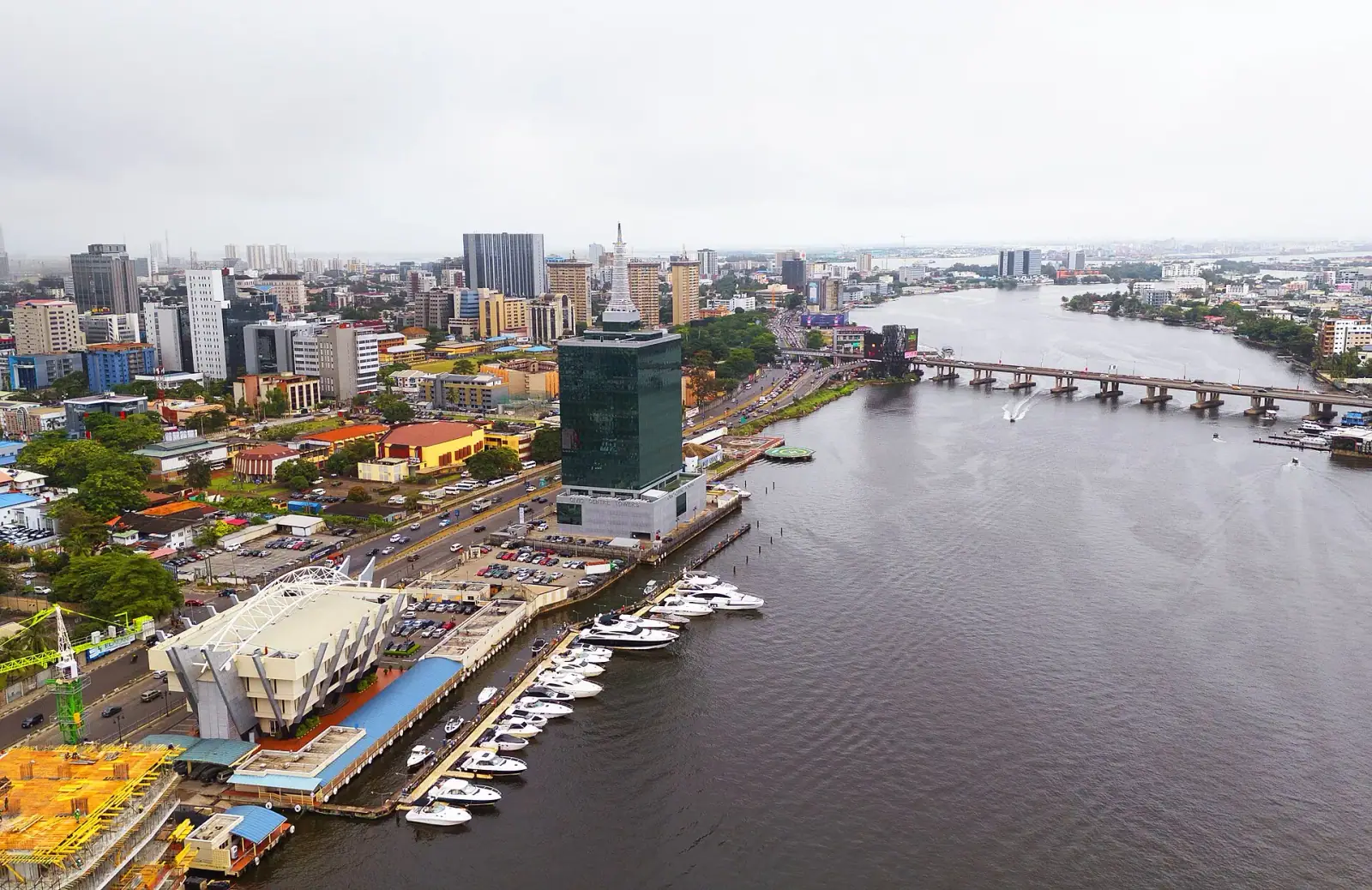
Lagos is one of Africa's most expensive cities for expats but genuinely affordable if you adapt to local rhythms. Rent is the biggest variable. A furnished one-bedroom in Lekki or Victoria Island costs between $145 and $255 per month (roughly $130 to $230 at mid-2025 exchange rates), with premium spots pushing past $365. On the mainland in neighborhoods like Yaba or Surulere, you can find comparable space for $73 to $130 per month.
Beyond rent, expect to spend roughly:
- Groceries: $29 to $44 per month from local markets; significantly more from upscale supermarkets
- Eating out: $2 to $6 for a local meal; $11 to $26 at a mid-range island restaurant
- Coworking hot-desk: $44 to $110 per month, with day passes from $3.50 to $11
- Local transport (Uber/Bolt): $1.50 to $3.50 per trip on the island; BRT bus fares are a fraction of that
- Generator fuel: $7.50 to $22 per month, an unavoidable cost given frequent power cuts
A realistic monthly total for a nomad living on the island runs $255 to $515 ($230 to $470). Mainland living cuts that by 30 to 40 percent. Anything imported, including many branded goods and international restaurant meals, costs close to European prices.
Where to Work
Dedicated coworking spaces are your most reliable option. Workstation NG on Victoria Island is open 24/7 and attracts freelancers and tech workers. 989 Workspaces has two Lekki-area locations with stable internet, meeting rooms, and a collaborative atmosphere. EridanSpace in Ikeja offers one of the lowest day-pass rates (around $3.50) with fast WiFi and a gaming zone. HubOne in Yaba is the go-to for the Lagos tech community, though it lacks on-site food.
Cafe work culture exists but is concentrated in specific spots. Pause Cafe at the Palms in Lekki, Top Beans at the Wings Complex on Victoria Island, and Eric Kayser in Lekki Phase I are the most laptop-friendly options with reliable WiFi and enough outlets. Moonshine Cafe in Lekki Phase I offers a quieter setting.
The honest WiFi situation: coworking spaces in Lekki, Victoria Island, and Yaba generally deliver consistent speeds adequate for video calls. Cafe WiFi is more variable. Power cuts are frequent citywide, so coworking spaces with generators are worth the premium. Most nomads also carry a 4G/5G data SIM (MTN or Airtel) as backup. Home broadband plans start around $11 to $18 per month.
Getting Around
Traffic in Lagos is legendary and often brutal. Your location determines your mobility. If you live and work on the island (Victoria Island, Lekki, Ikoyi), you can confine most daily movement to a small radius and use Uber or Bolt for short hops at $1.50 to $3.50 per trip. Crossing between the island and mainland during rush hours (roughly 7 to 10am and 5 to 8pm) can mean 90 minutes or more in a car.
The BRT (Bus Rapid Transit) runs dedicated corridors connecting Oshodi, Yaba, Lagos Island, Lekki, and other major points. Fares are paid via a Cowry Card and cost a fraction of ride-hailing. The Lagos Blue Line metro, running from Marina to Mile 2, is air-conditioned and avoids road congestion entirely. Ferries connect key waterfront terminals including Five Cowries Terminal, and offer a faster, calmer alternative to road travel between the mainland and island.
Murtala Muhammed International Airport sits on the mainland in Ikeja. Getting to Victoria Island or Lekki takes 45 minutes to over 2 hours depending on traffic. Pre-book a ride via Uber or arrange a driver through your accommodation. Budget $7.50 to $15 for an airport transfer to the island. Arriving off-peak significantly cuts travel time.
Sorting transport? Book an airport transfer, or compare car rental on Auto Europe and QEEQ.
Visas and Staying Long-Term
As of May 2025, Nigeria replaced its Visa on Arrival system with an e-Visa platform. Citizens of 177 countries can apply online at the Nigerian Immigration Service portal. The tourist e-Visa (F5A) grants up to 30 days, while a separate application allows stays up to 90 days. Approval typically takes 24 to 48 hours and costs around $80 to $100 depending on nationality. The business e-Visa covers business-related visits but not formal employment.
Nigeria has no dedicated digital nomad visa. Most remote workers enter on a tourist e-Visa and renew by exiting and re-entering, though enforcement against remote work on tourist visas is minimal in practice. Extensions within Nigeria are possible through the Nigerian Immigration Service but are bureaucratically intensive.
Best Time to Visit
Lagos has a tropical climate with temperatures staying between 21C (70F) at night and 33C (91F) by day year-round. The city splits into two seasons: a dry season from November to March and a rainy season from April to October.
For remote work, November through February is the sweet spot. The air is drier and slightly cooler, harmattan winds reduce humidity, and flooding-related traffic chaos is minimal. December is the most festive and expensive month, driven by the Lagos diaspora returning and a packed events calendar.
The wettest months are June and July, when heavy downpours cause flash floods and make traffic substantially worse than usual. September brings a brief drier window within the rainy season. If budget matters more than weather, the rainy season months command lower accommodation rates and fewer crowds, with the tradeoff of unpredictable commutes.
Pros and Cons
- Low cost if you eat local and live on the mainland
- Extraordinary food scene, from roadside suya to top-tier Pan-Asian fine dining
- Growing tech and startup community in Yaba and Victoria Island
- English is universal, spoken natively across business and daily life
- Vibrant nightlife and arts culture year-round, especially December
- Direct flights to major African, European, and Middle Eastern hubs
- Frequent power cuts require generators and add to monthly costs
- Traffic is severe and can consume multiple hours of your day
- Safety requires real awareness: petty theft and armed robbery exist, and some areas are off-limits after dark
- Air quality is poor, driven by generator fumes, traffic exhaust, and open burning
- Coworking and cafe scene is thin outside a few island neighborhoods
- No digital nomad visa and bureaucracy around extensions can be frustrating
Who Lagos Is Best For
Lagos suits you if you are drawn to a fast, loud, and genuinely exciting African megacity and can tolerate logistical friction in exchange for cultural immersion. It works well for nomads who already have connections in the Nigerian tech or creative scene, those doing business in West Africa, or travelers who want to base in a global city at well below global city prices. You get the most from Lagos if you are staying at least a month, living on the island, and working from a proper coworking space.
Skip Lagos if you need frictionless daily productivity, cannot handle unreliable power, are sensitive to air quality, or expect the cafe-work culture of Southeast Asia or Europe. First-time solo travelers to Africa may find it overwhelming as an entry point: start somewhere gentler and return once you have a clearer picture of what you want from the continent.