Cost of Living in Lome
Where this figure comes from. No cost survey covers Lome, so the $700 a month above is our own estimate rather than a measurement. On 416 of our 999 city guides the figure is built from a published Numbeo basket, a one-bedroom rent in the centre plus one person's monthly costs without rent, converted to USD; this city is not one of them. How we source everything.
Budget around $700 a month as a solo remote worker in Lome, which is low for a West African capital and reflects a city that has never had the oil or mining money that inflated some of its neighbours. A one-bedroom place runs roughly $200 to $400, with the beachfront and the diplomatic quarter well above that and the inland neighbourhoods well below. Street food is very cheap and the markets are excellent. The CFA franc is pegged to the euro, which removes the currency volatility that complicates budgets elsewhere in the region. This is our own estimate rather than measured data. Fibre where it reaches runs $60 to $120 a month for speeds that would cost a fraction of that in Europe, which is the standard West African internet penalty. A zemidjan ride across town is well under a dollar. The CFA peg to the euro at a rate unchanged since 1999 means a European income holds its value here in a way it does not in Ghana or Nigeria next door.
Where to Work in Lome
Lome has a small startup and coworking scene, concentrated in a handful of spaces serving the city's technology and logistics sectors, and it is more developed than the country's size would suggest thanks to the port. Fibre reaches parts of the city and mobile data on the main networks is workable, though West African internet pricing remains high relative to speed and evening congestion is real. Power cuts happen and most serious workplaces have a generator. French is the working language of everything administrative and English is limited, so operating here without French is genuinely difficult. Togo runs on GMT with no offset at all, which makes it the single easiest time zone on this site for anyone working with London and comfortable for continental Europe. Mobile money through Flooz and T-Money handles most everyday payment and a local SIM registered on arrival is the first practical step.
Getting Around Lome
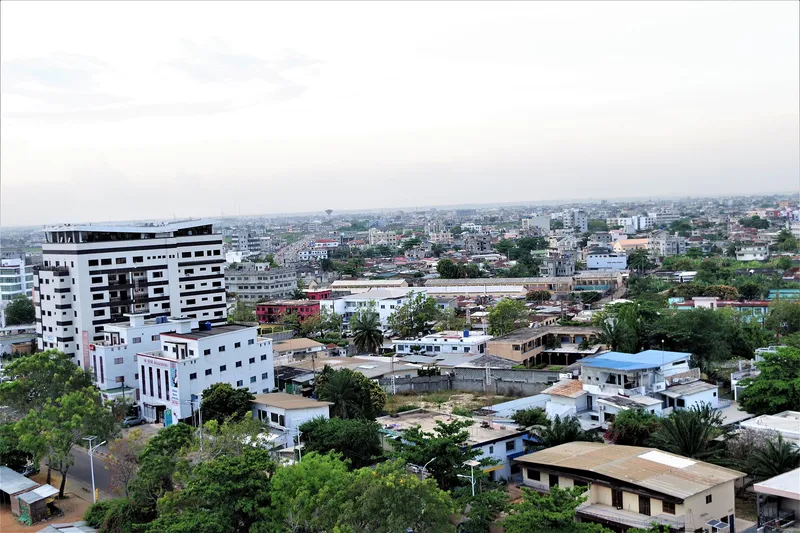
Lome runs along the Gulf of Guinea coast with the Ghanaian border at its western edge, close enough that the frontier is effectively part of the city. Zemidjan motorcycle taxis are the dominant way to move and cost very little, though they demand a helmet and some nerve. Shared taxis cover the longer routes. The coastal road is the main axis and the Grand Marche sits at the centre of everything. Lome airport is a regional hub with connections across West Africa and to Europe, which makes the city considerably easier to reach than its profile suggests. The Ghanaian border at Kodjoviakope is walkable from the city centre, which makes a day in Aflao or a longer trip to Accra unusually easy. The coastal road east to Benin and Nigeria is the main regional artery and the buses along it are frequent, cheap and slow. The airline based at this airport was set up as a regional carrier with an East African partner, and it is why a city this size has direct flights to two dozen capitals across the continent. Connecting through here is often cheaper than routing through the bigger hubs.
Sorting transport? Book an airport transfer, or compare car rental on Auto Europe and QEEQ.
Visas for Lome
Togo issues visas online only: there is no visa on arrival, the e-visa has to be applied for at least six days before arriving, and the single-entry tourist visa is valid for 15 days, extendable at the immigration office in the city, which is the normal route rather than an exception. There is no digital nomad visa. Anyone planning a longer stay applies for a residence permit locally, a process that requires documentation, patience and generally some French. Togo is part of ECOWAS, so overland travel to Ghana, Benin and beyond is straightforward for citizens of the bloc and requires separate consideration for everyone else. Yellow fever vaccination is required on entry. Anything longer than the 15 days has to be extended at the Service des Migrations in the city, which is a straightforward but in-person process that catches out anyone who assumed the visa covered their whole stay. A regional visa exists covering this country and four of its neighbours on one document, which is worth asking about for anyone planning a circuit rather than a single stay, though not every consulate issues it readily and it is easier to obtain inside the region than outside it.
Best Time to Visit Lome
November to February is the dry season and the best time to be here, with less humidity than the rest of the year and daytime temperatures around thirty. The harmattan can bring dust down from the Sahara in December and January, which drops visibility and irritates anyone with a respiratory sensitivity. The long rains run from April to July and the short rains return in September and October, both bringing heavy downpours rather than continuous grey. Coastal humidity is a constant regardless of season and is the thing most arrivals underestimate about the climate here. There is a short dry break in August, the petite saison seche, which splits the rains and is a genuinely pleasant window that most guides miss. The harmattan months are also the coolest nights of the year, dropping to the low twenties, which is the closest Lome comes to relief. In the north of the country the July wrestling festival marks the initiation of young men over several days and draws the whole region, which is the most striking thing in the national calendar and a long drive from the coast. Nothing down here runs at that scale.
Pros and Cons of Lome
Lome is a genuinely underrated West African capital, with a long beach through the middle of the city, the vast Grand Marche, the Akodessewa fetish market that is unlike anything else on the continent, and an airport that connects across the region and to Europe. Costs are low and the port gives the city a commercial energy. There is no nomad community here whatsoever, French is close to mandatory in daily life, power and internet are both unreliable, and the city demands more situational awareness than most places on this site. It is a place for the experienced rather than the first trip. The Akodessewa market supplies the Vodun practice of the whole region and is a working religious supply market rather than an exhibit, which is worth understanding before visiting: it is photographed heavily and the fee for doing so is part of how it operates.
Who Lome Is For
A low-cost coastal capital with excellent regional flight connections, for French speakers who already work in West Africa or want to. It works well as a base for anyone covering the region rather than as a destination in itself. Reliable infrastructure, an English-speaking environment and a nomad community of any kind are three things this city does not have in any usable form, and French is not optional. Anyone new to the region would be better served starting in Accra, two hours west, and coming to Lome from there. Logistics and shipping are why this city matters more than its size implies. The port here is the deepest on the West African coast and handles transhipment for much of the region, which is the commercial fact underneath everything else about the place.
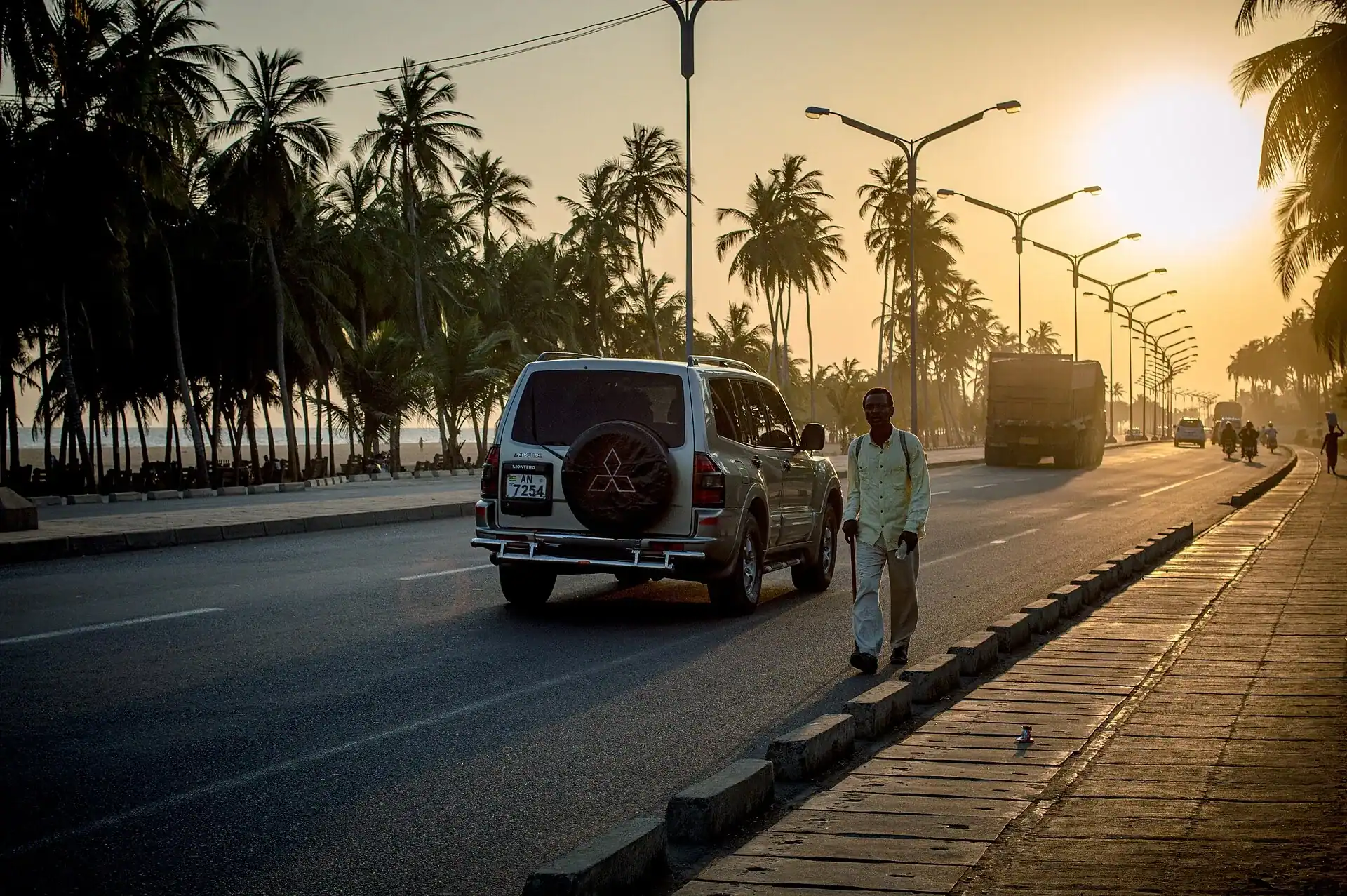 Photo: Philip Nalangan / Wikimedia Commons (CC BY 4.0)