Cost of Living in Cotonou
Where this figure comes from. No cost survey covers Cotonou, so the $800 a month above is our own estimate rather than a measurement. On 416 of our 999 city guides the figure is built from a published Numbeo basket, a one-bedroom rent in the centre plus one person's monthly costs without rent, converted to USD; this city is not one of them. How we source everything.
Budget around $800 a month as a solo remote worker in Cotonou, which is low even for West Africa. A one-bedroom place runs roughly $200 to $400, with Haie Vive and Cadjehoun, the districts around the embassies and the airport, at the top of that and the inland quarters well below. Food from the markets is very cheap and Beninese cooking is good, built on maize, cassava, peanut sauces and grilled fish from the lagoon. The CFA franc is pegged to the euro, so there is no currency risk and no black market rate to navigate. This is our own estimate rather than measured data. Fibre where it reaches runs $60 to $120 a month for modest speeds, the standard West African internet penalty, and a generator or an inverter is a normal household cost rather than a contingency. A zemidjan ride across town is well under a dollar. The CFA peg has held at the same rate against the euro since 1999, which means a European income keeps its value here in a way it does not in Nigeria or Ghana next door. Rents in the inland quarters run at half what Haie Vive asks, and the gap buys proximity to the embassies rather than better building.
Where to Work in Cotonou
Cotonou's connectivity is modest: fibre reaches parts of the city and mobile data from MTN and Moov is the usual answer, with prices high relative to speed as across West Africa. Power cuts are frequent and any serious business runs a generator. There is a small startup and coworking presence, helped by government efforts to position Benin as a digital services centre, though it serves locals rather than visitors. French is the language of everything administrative and commercial, and English is genuinely rare, which is the main practical filter for working here. Benin runs on GMT+1 year-round, putting it in the same working day as continental Europe and an hour ahead of London, which is among the more convenient African time zones for European clients. Mobile money through MTN and Moov handles most everyday payment, and a local SIM registered on arrival is the first practical step. Sebou, the government digital services push, is why the coworking exists at all.
Getting Around Cotonou
Cotonou is flat, spread between the Atlantic and Lake Nokoue, and it is not a walkable city. Zemidjan motorcycle taxis, recognisable by their yellow shirts, are the dominant transport and cost very little, though they demand a helmet and some nerve. Shared taxis cover longer routes. Traffic on the main axes is heavy. Cotonou airport has connections across West Africa and to Paris and Brussels. Ganvie, the stilt village of some twenty thousand people built out on the lake, is half an hour away by boat, and Ouidah, the historic centre of the slave trade and of Vodun, is an hour west. The road east to Lagos is under two hours but the Seme border crossing can take considerably longer than the drive itself, and it has a reputation among overlanders that it has earned. The coastal highway west to Lome is faster and easier. Ganvie is reached by pirogue from Abomey-Calavi and the village has been on the lagoon since the seventeenth century, built there to escape slave raiders who could not follow onto water.
Sorting transport? Book an airport transfer, or compare car rental on Auto Europe and QEEQ.
Visas for Cotonou
Benin has one of the most open visa policies in Africa: since 2019 it has been visa-free for all African nationals, and everyone else uses a straightforward e-visa applied for online, typically thirty or ninety days, approved within a few days. There is no remote work visa. A yellow fever certificate is required on entry. Longer stays run through a residence permit applied for locally. Benin is a member of ECOWAS, so travel to Togo, Nigeria and Ghana is straightforward for regional nationals and needs separate arrangements for everyone else. The e-visa is issued as an approval to be presented on arrival and airlines check it at boarding, so it should be printed rather than left on a phone. Benin's decision to drop visas for all African nationals was the first of its kind on the continent and remains among the most open positions anywhere.
Best Time to Visit Cotonou
November to February is the main dry season and by far the best window, with less humidity and daytime temperatures around thirty-one. The harmattan blows Saharan dust south in December and January, which drops visibility and irritates anyone with a respiratory sensitivity. The long rains run from April to July and a shorter wet spell returns in September and October. Coastal humidity is constant regardless of season. The Vodun festival on the tenth of January at Ouidah is the country's largest event and draws practitioners from across the diaspora. Pendjari National Park in the far north is only reliably reachable in the dry months, which is another reason the calendar matters here. Ouidah's beach holds the Door of No Return, a memorial arch on the sand at the end of the route enslaved people walked to the ships, and the annual festival brings visitors from Brazil, Haiti and the United States who trace their ancestry through it. The tenth of January is a public holiday.
Pros and Cons of Cotonou
Benin is where Vodun comes from, and it is a state religion here rather than a curiosity: the annual festival at Ouidah, the sacred forest at Kpasse and the Temple of Pythons are living practice. Ganvie on the lagoon is one of the most extraordinary settlements in Africa. Pendjari National Park in the north holds West Africa's best remaining wildlife. Costs are very low and the visa policy is open. French is essential, and the internet is weak, the power cuts are routine, and Cotonou itself is a hot, congested working city rather than an attractive one. The Royal Palaces of Abomey, ninety minutes north, were the seat of the Kingdom of Dahomey and are a UNESCO site, and the bas-reliefs there record the kingdom's history in a way almost nothing else in the region does.
Who Cotonou Is For
An interest in West African history and religion, French, and work that survives unreliable power, in exchange for a very cheap base with an open visa policy. Anyone researching the slave trade, Vodun or the region's art will find Benin unusually rich. French is not optional, the infrastructure is unreliable in ways that shape a working week, and anybody picturing a beach city should know that the undertow along this coast makes swimming genuinely dangerous rather than merely discouraged. Ouidah and Ganvie are the reasons to be here rather than Cotonou itself. Anybody moving overland between Lagos and Accra passes through Benin, and this is the calmest place to stop along that road, which counts for a good deal after either of the cities at its ends. The restitution question is being settled here rather than debated in the abstract. France returned twenty-six royal treasures to Benin in 2021, and the museum built to hold them has made this city the live case that the whole argument now cites. Compared with Lome, Cotonou is larger, busier and has the more open visa policy, while Lome has the better beach and the calmer centre.
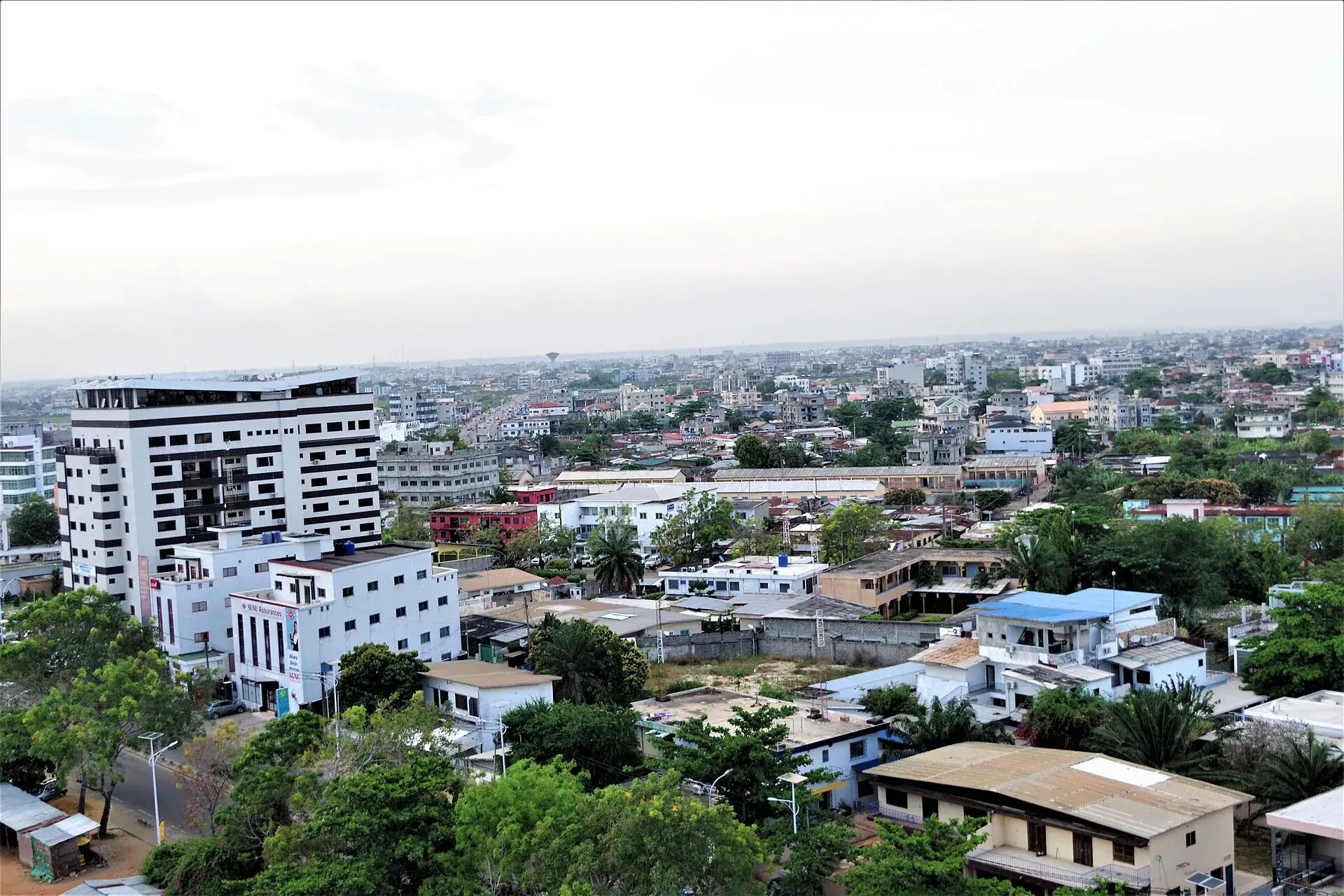 Photo: Adoscam / Wikimedia Commons (CC BY-SA 4.0)