Cost of Living in Djibouti
Where this figure comes from. No cost survey covers Djibouti, so the $1,600 a month above is our own estimate rather than a measurement. On 416 of our 999 city guides the figure is built from a published Numbeo basket, a one-bedroom rent in the centre plus one person's monthly costs without rent, converted to USD; this city is not one of them. How we source everything.
Budget around $1,600 a month as a solo remote worker in Djibouti, which is expensive for the region and reflects a small country that imports almost everything and hosts several foreign military bases whose personnel set the rental market. A one-bedroom place runs roughly $600 to $1,000, with the European Quarter and Heron at the top of that and the Balbala districts far below. Imported food is costly and local produce is limited by the climate. The franc is pegged to the United States dollar. This is our own estimate rather than measured data. Fibre runs $100 to $200 a month for modest speeds, among the worst value anywhere on this site, and the state monopoly is the reason. Air conditioning is not optional for most of the year and can add $150 to $300 monthly. The military presence is the structural distortion behind the rental market: French, American, Japanese, Italian and Chinese bases all house personnel here and the rents they support are what an ordinary tenant competes with. Groceries in the French supermarkets are priced for the expatriate and military market and cost several times what the same goods do in Addis Ababa, six hundred kilometres inland by rail.
Where to Work in Djibouti
Djibouti sits at the landing point of several of the submarine cables that carry traffic between Europe and Asia, which is a genuinely unusual asset, though the domestic market is a state monopoly and retail prices are high relative to speed. Fibre reaches the city at workable speeds and mobile data covers the populated areas. Power is reliable and expensive. There is very little coworking. French and Arabic are the official languages, Somali and Afar are the languages of daily life, and English is limited outside the military and shipping sectors. Djibouti sits three hours ahead of GMT, which gives a full European overlap and a workable late-afternoon window with the American east coast. The irony of the cable landings is worth naming: some of the world's most important internet infrastructure comes ashore here and almost none of the benefit reaches the domestic retail market. Coworking barely exists and the practical arrangement is an apartment in the European Quarter with its own connection, which is what the international staff here do.
Getting Around Djibouti
Djibouti City is compact and the European Quarter around Place Menelik is walkable, though the heat makes that a morning and evening activity for much of the year. Shared taxis and minibuses cover the city cheaply. The country is small enough to cross in a day: Lac Assal, the lowest point in Africa at 155 metres below sea level, is two hours west, and Lac Abbe's limestone chimneys are a longer drive. The railway to Addis Ababa, rebuilt in 2017, takes around twelve hours. The ferry across the Gulf of Tadjoura to Obock and Tadjoura itself is the pleasanter way to reach the northern coast and the diving. Lac Assal sits in the Afar depression and its salt crust is thick enough to walk on, with the water around ten times saltier than the sea. Lac Abbe's chimneys are on the Ethiopian border and the drive is rough enough to need a guide and a four-wheel drive rather than a hire car. The Djibouti-Addis railway is Chinese-built, electrified and the first cross-border electric line in Africa, and it carries passengers as well as the freight it was built for.
Sorting transport? Book an airport transfer, or compare car rental on Auto Europe and QEEQ.
Visas for Djibouti
Djibouti operates an e-visa system that most nationalities can apply for online before travel, typically for stays of up to ninety days, with approval returned in a few days. Visas on arrival have been available at times and the policy has shifted, so the e-visa is the reliable route. A yellow fever certificate is required from endemic countries. There is no remote work visa. Longer stays require a residence permit through an employer, and the military and shipping sectors account for most of them. Anyone travelling on to Ethiopia by the railway should arrange that visa separately and well ahead, since it is not issued at the border. The e-visa is issued as an approval letter to be presented on arrival, and airlines check it at boarding, so it should be printed rather than left on a phone. Djibouti has periodically suspended visa on arrival without notice, which is why the online route is the one to use.
Best Time to Visit Djibouti
November to February is the only comfortable window, with daytime temperatures around twenty-eight and manageable humidity. The rest of the year is severe: Djibouti is one of the hottest inhabited places on earth, and from June to August temperatures regularly exceed forty-five degrees with the khamsin wind off the desert making it worse. The whale shark season in the Gulf of Tadjoura runs from roughly October to February, which is both the coolest period and the reason most independent visitors come. Anyone hoping to see the whale sharks should book ahead for December and January, since the licensed operator capacity is genuinely limited. Lake Assal, the lowest point in Africa at a hundred and fifty five metres below sea level, is only sensibly visited in the cool months, and even then at first light, because the salt pan throws back everything the sun delivers.
Pros and Cons of Djibouti
Djibouti has Lac Assal, the lowest point in Africa and one of the saltiest bodies of water in the world, the otherworldly limestone chimneys of Lac Abbe, and whale sharks gathering in the Gulf of Tadjoura every winter in numbers that are internationally significant. It sits at one of the world's great strategic chokepoints, which is why so many countries have bases here. It is very expensive for what it actually is, brutally hot for the greater part of the year, French is close to necessary, and there is little to do in the city. The Bab el-Mandeb strait a short distance east carries a substantial share of world trade and has been the focus of shipping disruption since 2023, which is the reason the foreign bases are here and a live factor in the country's economy.
Who Djibouti Is For
A French speaker with a specific reason to be there, whether shipping, the military, development work or the whale sharks, rather than anyone looking for a general base. The landscape is genuinely extraordinary and almost entirely unvisited. Daily life is conducted in French, the heat ranks among the most extreme anywhere people live, and the budget question has an unusual cause: several foreign militaries are based here, and their presence holds prices far above what the local economy would otherwise sustain. Geologists have a reason to be here that nowhere else can offer. The Afar triple junction is among the very few places on earth where a continent can be watched pulling itself apart at the surface. It also suits divers specifically, since the whale shark aggregation in the Gulf of Tadjoura is one of the more reliable in the world and the reef diving off the Sept Freres islands is essentially unvisited. Be honest about the scale before committing: a fortnight covers the place, and what it offers is intensity rather than variety.
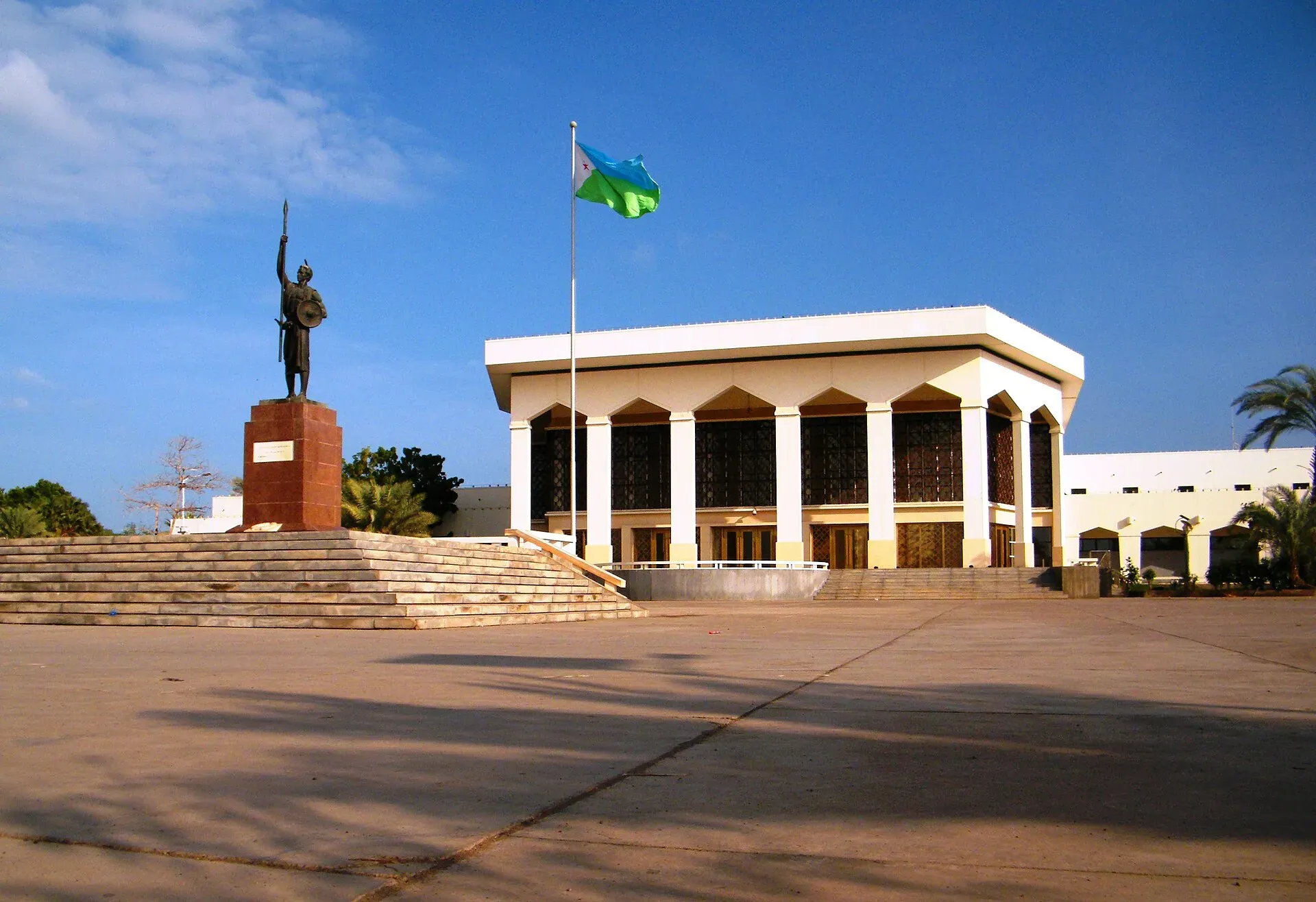 Photo: Skilla1st / Wikimedia Commons (CC BY-SA 4.0)