Cost of Living in Harar
Where this figure comes from. No cost survey covers Harar, so the $600 a month above is our own estimate rather than a measurement. On 416 of our 999 city guides the figure is built from a published Numbeo basket, a one-bedroom rent in the centre plus one person's monthly costs without rent, converted to USD; this city is not one of them. How we source everything.
Harar is one of the most affordable destinations you will find anywhere, though it is a place you visit rather than settle into for months. Most travelers spend roughly $400 to $900 a month, and the lower end is realistic if you eat local and stay in simple guesthouses. Ethiopian food is cheap and filling, local coffee costs almost nothing, and bajaj rides across town are a matter of cents. The main costs are your room, the occasional guide, and the nightly hyena-feeding fee. Because tourism infrastructure is small, prices are rarely posted, so agree on figures in advance for guides, rooms, and drivers. Carry cash in Ethiopian birr, as card payments are rare and ATMs can be unreliable. The most memorable beds are in traditional Harari houses inside the walls that now take guests, with raised carpeted platforms and walls hung with woven baskets and enamel plates, and they are worth choosing over a concrete hotel on the ring road. Coffee here is local in the strict sense: Harar gives its name to one of Ethiopia's best-known highland coffees, sold by the bag in the market for a fraction of its price abroad.
- Simple guesthouse or hotel room: roughly $10 to $30 per night
- Local Ethiopian meal (injera with wat): about $2 to $5
- Bajaj ride within town: well under $1
- Local guide for a half day in Jugol: around $15 to $30
Where to Work in Harar
Harar repays a week of wandering far better than a month of deadlines, because it is a cultural short stay rather than a work base. There is no coworking space, wifi is weak, slow, and unreliable, and power cuts are common, so anything time sensitive is a gamble. Your most dependable option is an Ethio Telecom SIM with mobile data, but coverage is patchy and speeds vary from usable to frustrating. Hotel cafes and a few laptop-friendly spots offer somewhere to sit with coffee, yet none should be treated as a guaranteed office. If you must stay connected, tell colleagues in advance that you may go dark for stretches, download what you need offline, and keep a power bank charged. Treat any work you manage to get done here as a bonus rather than the plan.
- Buy an Ethio Telecom SIM and expect patchy, variable data
- Use hotel cafes for a seat and coffee, not reliable bandwidth
- Keep a power bank charged for frequent outages
- Download files offline and warn colleagues you may be unreachable
Getting Around Harar
The walled old city, Jugol, is a maze of narrow winding alleys best explored on foot, and getting a little lost between its five historic gates is part of the experience. A local guide is genuinely useful here, both for navigating the labyrinth and for reading the culture of the shrines, mosques, and painted Harari houses. Outside the walls, blue bajaj auto-rickshaws and shared minibuses cover the modern town cheaply. The nearest airport is at Dire Dawa, about an hour away by bus or car down the escarpment. From there you can fly to Addis Ababa, or reach the capital by the long road or the modern railway that connects the region. Always agree bajaj and driver fares before setting off. The road down to Dire Dawa passes through Aweday, home to one of the region's biggest khat markets, where the leaf is traded in bulk into the evening and traffic snarls around the trading. In Dire Dawa, the electrified railway to Djibouti and the capital, opened in 2018, is an alternative to flying, though passenger services are sparse and seats need booking ahead.
- Explore Jugol on foot; a guide helps in the alley maze
- Bajaj auto-rickshaws and minibuses serve the wider town
- Dire Dawa (about 1 hour) is the nearest airport
- Reach Addis Ababa by flight, long road, or rail
Sorting transport? Book an airport transfer, or compare car rental on Auto Europe and QEEQ.
Visas for Harar
Most visitors enter Ethiopia on a tourist visa, and the country operates an online e-visa system that many nationalities can use before arrival, typically for 30 or 90 day stays. Apply through the official Ethiopian e-visa portal rather than third parties. Far more important than the paperwork is the security picture: Ethiopia has seen significant regional conflict and instability in recent years, and conditions vary sharply by region. Harar and the east are generally calmer and long established for cultural travel, but watch for local flare-ups and keep plans flexible. Register with your embassy where that option exists.
- Apply through the official Ethiopian e-visa portal before travel
- Stay flexible and monitor the regional security situation
Best Time to Visit Harar
Harar sits at around 1,885m, so its highland climate is mild and pleasant for much of the year, without the fierce heat of the lowlands nearby. The most comfortable window runs roughly from October to February, when skies are drier and days are warm but not oppressive. The main rains fall around June to September, which can turn the alleys muddy and complicate road travel, though the countryside turns green. Whenever you come, the famous hyena feeding happens nightly after dark, when the hyena men call in wild spotted hyenas and hand-feed them just outside the walls. Evenings can be cool at this altitude, so pack a layer. Aim for the drier months if you want easier travel and clearer light for the painted city.
- Best months: roughly October to February (drier, mild)
- Main rains: around June to September
- Hyena feeding takes place nightly after dark
- Pack a layer for cool highland evenings
Pros and Cons of Harar
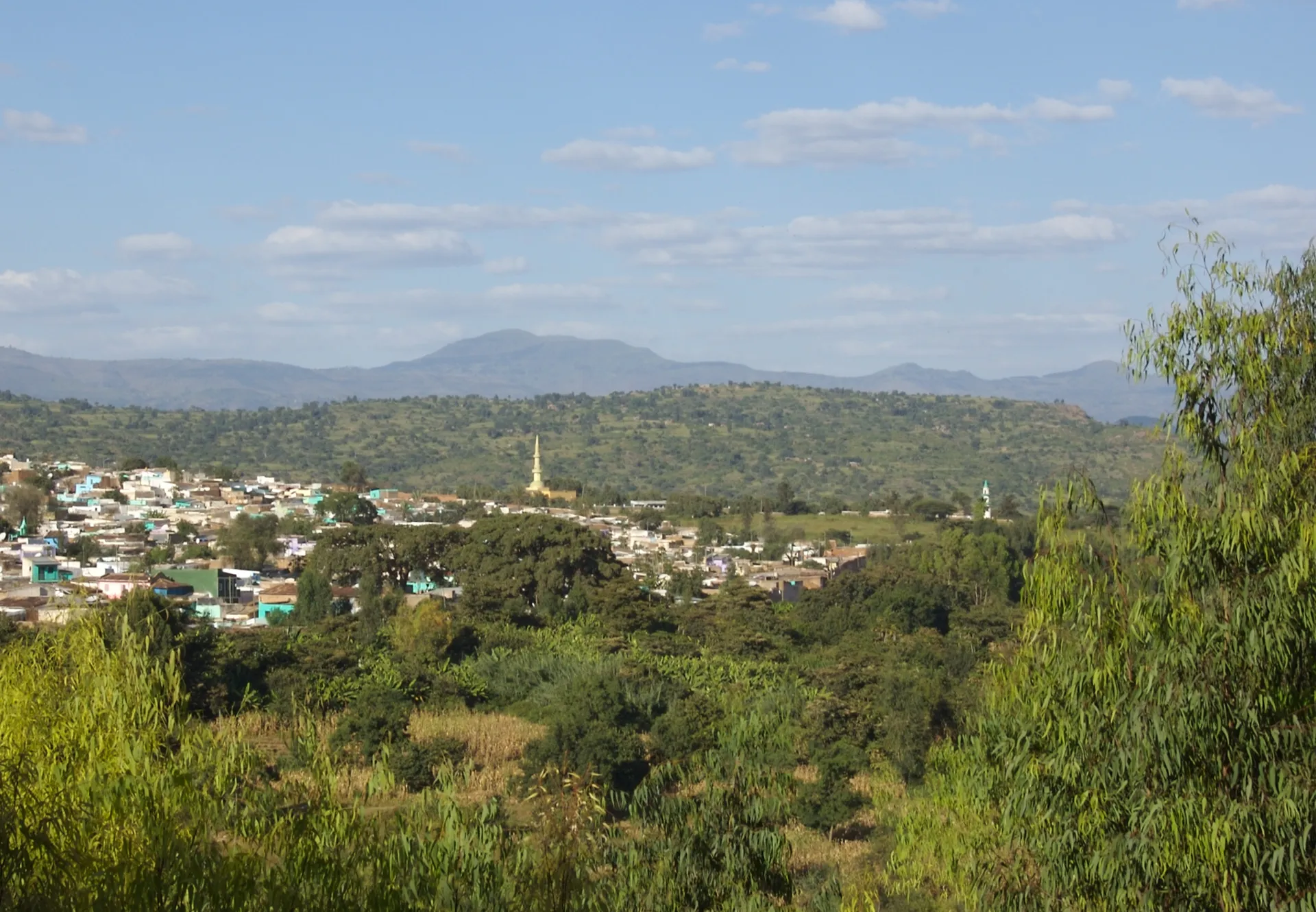
Harar is one of Africa's great cultural experiences, a living UNESCO World Heritage walled city considered the fourth holiest in Islam, packed with dozens of mosques, shrines, brightly painted houses, and a market that has traded for centuries. The nightly hyena tradition is unlike anything else on earth, the cost of living is remarkably low, and the highland climate is gentle. The trade-offs are real, though. Infrastructure is basic, wifi is weak and unreliable, nightlife is essentially absent, and the nomad community is tiny to nonexistent. English is limited, so a guide smooths things greatly. Above all, Ethiopia's wider instability means you must do your security homework. Come for the culture and the atmosphere, not for productivity or comfort, and you will not be disappointed.
- Pros: extraordinary walled-city heritage, unique hyena tradition, very low cost, mild climate
- Cons: weak unreliable wifi, basic infrastructure, near-zero nightlife, tiny community
- Pros: warm hospitality, world-class cultural sightseeing, famous Harari coffee
- Cons: limited English and the need to check advisories carefully
Who Harar Is For
Harar is for the culturally curious traveler, the photographer, the history lover, and the nomad happy to log off for a spell. If you are drawn to a labyrinth of ancient alleys, the call to prayer over painted rooftops, and a nightly ritual with wild hyenas, this is one of the most rewarding places you can go. It suits people on a flexible schedule who can absorb slow or absent connectivity and who plan their security carefully before arriving. It is not for anyone who needs reliable internet, a coworking scene, a social nightlife, or a comfortable long-term base. Treat Harar as a short, intense cultural chapter, ideally bolted onto a wider Ethiopia trip, and pair it with a more connected city when you need to actually work.
- Great for: culture seekers, photographers, history and heritage lovers
- Great for: nomads who can unplug and travel on a flexible schedule
- Not ideal for: anyone needing reliable wifi or a work base
- Not ideal for: nightlife seekers or long-stay comfort travelers