Cost of Living in Gondar
Where this figure comes from. No cost survey covers Gondar, so the $500 a month above is our own estimate rather than a measurement. On 416 of our 999 city guides the figure is built from a published Numbeo basket, a one-bedroom rent in the centre plus one person's monthly costs without rent, converted to USD; this city is not one of them. How we source everything.
Gondar is one of the cheapest bases you will find anywhere, even by Ethiopian standards. A simple guesthouse room runs roughly $10-20 a night, while a mid-range hotel with hot water and a generator for power cuts lands around $30-50. Longer-term furnished apartments, if you can find one through word of mouth or a local contact, can go for $150-300 a month. Food is very affordable: a plate of doro wat or tibs at a local restaurant costs $2-4, a macchiato at a Piazza cafe is under a dollar, and a week of groceries from the market rarely tops $20-25 for one person. Bottled water, imported goods, and anything aimed at tourists cost noticeably more. All told, a frugal nomad can live on $500-700 a month including accommodation, and a comfortable budget with more amenities sits closer to $800-1,000. The currency is the Ethiopian birr (ETB), and this is very much a cash economy, so budget in cash and expect ATMs to be unreliable. Wednesdays and Fridays, and the long fast before Orthodox Easter, are meatless for most of the town, and the vegan fasting platter of lentils and greens on injera is then the cheapest and freshest plate on any menu.
Where to Work in Gondar
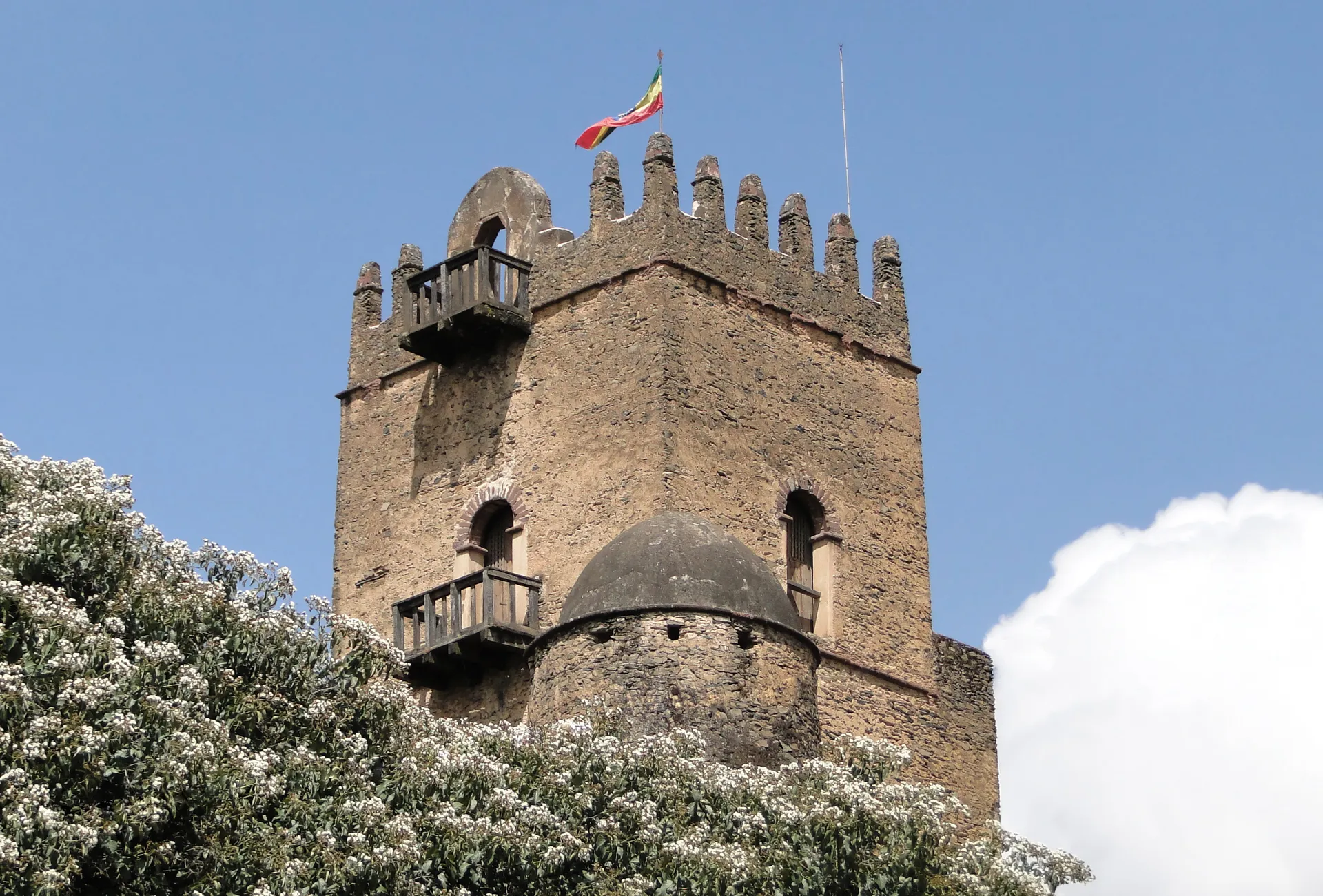
There is no coworking scene here. Work happens from hotel lobbies, guesthouse courtyards, and the handful of cafes near Piazza that offer wifi and reliable power outlets. Hotels catering to tourists and NGO staff, several clustered around the Fasil Ghebbi compound and along the road to the airport, tend to have the steadiest connections and backup generators, which matters given how often the city loses grid power. Expect to treat any advertised wifi speed as optimistic; video calls are hit or miss and it is wise to have a local SIM with mobile data as a backup, plus a downloaded offline plan for anything time-sensitive. This is not a place to run a business that depends on always-on connectivity; it works better for asynchronous work, writing, planning, or slow research trips where a few unreliable hours a day online is acceptable.
Getting Around Gondar
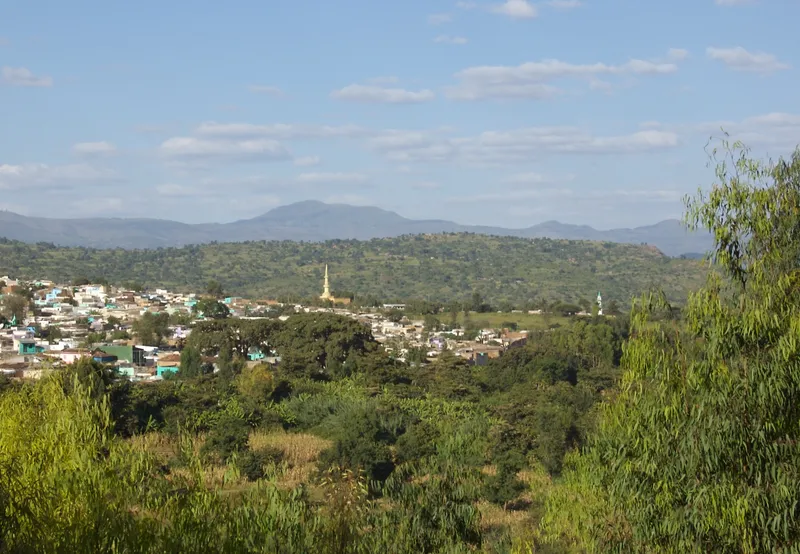
Gondar itself is compact enough to walk between Piazza, the castle compound, and nearby guesthouses, though hills and uneven pavement make it a workout. For longer hops, shared blue-and-white minibuses run fixed routes across town for a few cents, and bajaj tuktuks are the easiest door-to-door option, cheap if you agree the fare before getting in. Gondar has a small airport with regular Ethiopian Airlines flights to and from Addis Ababa, usually the fastest way in for nomads coming from elsewhere in the country or abroad. Overland, buses and shared minivans connect Gondar to Bahir Dar (about 3-4 hours) and on to Addis Ababa (a long day or more by road, so most people fly at least one leg). A day trip to the Simien Mountains requires a hired 4x4 or an organized tour, arranged through guesthouses or local operators in town. Bus departure times need translating: local timekeeping counts the hours from dawn, so a ticket marked 12 o'clock usually means six in the morning, and long-distance buses leave at first light. Confirm whether a time is in the local or the international count whenever you book.
Sorting transport? Book an airport transfer, or compare car rental on Auto Europe and QEEQ.
Visas for Gondar
Most nationalities can apply for Ethiopia's eVisa online before arrival, available as a single-entry tourist visa typically valid for 30 or 90 days; approval usually takes a few business days, so apply well ahead of travel. Visa-on-arrival exists at some entry points but the eVisa is more reliable and recommended. There is no dedicated digital nomad visa, and Ethiopia does not offer straightforward long-term remote work status, so anyone wanting to stay beyond the tourist visa window needs to look at extensions through immigration offices (feasible in Addis Ababa, more difficult from Gondar) or simply plan a border run. Overstaying is taken seriously and can mean fines or complications on departure, so track your visa expiry carefully. The overland exit people used to plan around, the Metema crossing into Sudan a few hours west, has not been one to count on since Sudan's civil war began in April 2023, so assume any departure is a flight. Gondar's airport is domestic only, which means the immigration desk that checks your visa on the way in and out is always Bole, in the capital, and an international connection needs that leg built in with time to spare.
Best Time to Visit Gondar
The dry season from October to March is by far the best window, with clear skies, comfortable highland temperatures (Gondar sits around 2,130m, so days are warm and nights are cool), and easy road access to the Simien Mountains. January is a particular highlight: Timkat, the Ethiopian Orthodox celebration of Epiphany, transforms Fasilides Bath into the center of a colorful, crowded, deeply symbolic festival that draws visitors from across the country. The rainy season runs roughly June through September, bringing heavy afternoon downpours, muddy roads, and a higher chance of power and internet disruptions; it is workable for a work-focused stay but far less pleasant for exploring. The calendar itself needs a moment's adjustment. Ethiopia runs its own, with a new year around 11 September and a thirteenth month of five or six days, and festival dates on posters follow it rather than yours. Meskel in late September, when bonfires topped with a cross are lit across town, marks the start of the dry months and makes that the other good arrival window, with the mountain slopes still green from the rains.
Pros and Cons of Gondar
Pros: an extraordinarily low cost of living, genuine and rarely-touristed Ethiopian culture, direct access to Fasil Ghebbi, the painted ceilings of Debre Berhan Selassie, and the Simien Mountains, plus a slower pace that suits travelers wanting immersion over convenience. Cons, stated plainly: wifi is weak and inconsistent, power and internet cuts are frequent, there is essentially no coworking infrastructure, and banking for foreigners is limited (foreign cards often do not work in local ATMs, so carry cash and a backup card). Most importantly, the wider Amhara region, which includes Gondar, has experienced periods of armed conflict and civil unrest in recent years, including disruptions to transport and communications. This is not scaremongering, it is a fact that changes on short notice, so monitor local news while there and have a flexible exit plan.
Who Gondar Is For
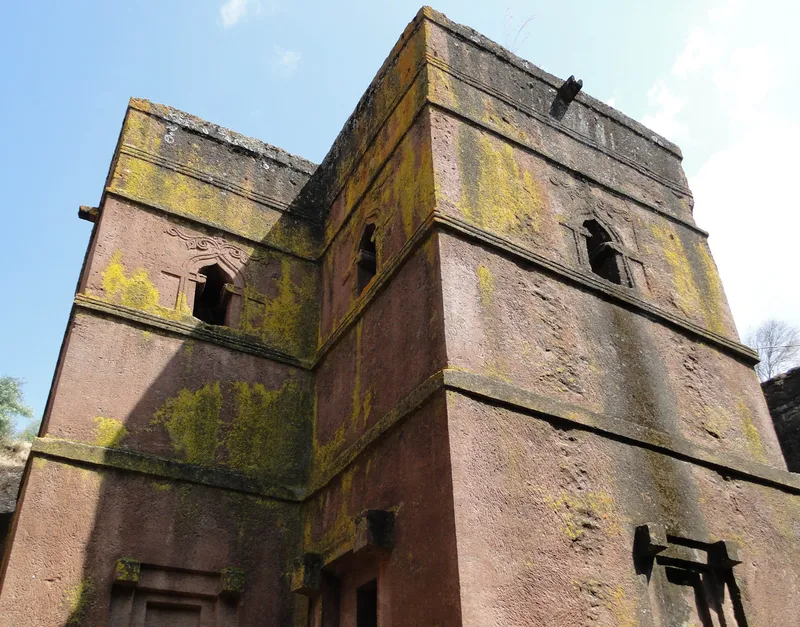
Gondar suits slow travelers and culturally curious remote workers who can tolerate real infrastructure limitations in exchange for history, low costs, and access to one of Africa's great mountain landscapes. It works well for those doing async or low-bandwidth work, for researchers and writers, and for nomads already comfortable traveling in less-developed regions who do their homework on safety conditions first. It is a poor fit for anyone who needs dependable high-speed internet, an established expat or coworking community, or a hands-off, low-risk travel experience; those nomads are better served by Addis Ababa or a more established hub, at least until the security situation in the region is clearly stable. Historians and anyone drawn to church art get the most out of a long stay. Gondar was the imperial capital from the 1630s, and the castle compound, the bathing palace and the churches scattered around the hills reward slow, repeated visits with a guide far more than a single morning tour, which is all most travellers give them.