Cost of Living in Bissau
Where this figure comes from. No cost survey covers Bissau, so the $850 a month above is our own estimate rather than a measurement. On 416 of our 999 city guides the figure is built from a published Numbeo basket, a one-bedroom rent in the centre plus one person's monthly costs without rent, converted to USD; this city is not one of them. How we source everything.
Budget around $850 a month, which makes Bissau one of the cheapest capitals in West Africa. A one-bedroom runs roughly $200 to $400. Market produce is very cheap and the country grows good cashew, rice and fruit, with cashew nuts making up most of its exports. Fish and seafood from the estuary and the Bijagos are inexpensive and excellent. Imported goods carry a markup and the supermarkets are limited. Eating out is cheap, with Portuguese-influenced Guinean cooking and grilled fish the mainstays. The CFA franc is pegged to the euro, which removes currency risk. The CFA franc is worth understanding rather than merely noting. Guinea-Bissau is the only Portuguese-speaking member of the West African monetary union, so it shares a currency, a central bank and a euro peg with seven francophone neighbours, which makes prices stable and regional travel financially frictionless in a way that is rare on this continent. The cashew harvest sets the economic mood: a good price in April and May means money circulates all year, and a poor one is felt in everything from rents to what the market carries.
Where to Work in Bissau
Connectivity is weak. Guinea-Bissau has limited submarine cable capacity and fibre reaches only parts of Bissau, with mobile data from MTN and Orange the usual answer at prices that are high relative to income. Power cuts are frequent and prolonged, and generators are standard in anything serious. There is no coworking. Anyone with call-heavy work should treat this as a genuine constraint. The time zone is GMT with no daylight saving, which makes European work straightforward and is one of the few unambiguous practical advantages here. Anyone working here should budget for a generator or an inverter, since the public supply is intermittent enough that a working day cannot be planned around it. Portuguese is the language of government and paperwork while Crioulo is what the country actually speaks, and the two are close enough that a Portuguese speaker picks up the second within weeks. That combination makes Bissau far easier for a lusophone visitor than the surrounding francophone region. The Lisbon flights matter more than they look, since they put the country a single hop from Europe and are the reason the diaspora connection runs through Portugal rather than France.
Getting Around Bissau
Shared taxis, painted blue and white and shared with whoever is going the same way, cover Bissau for a low fixed fare and are the normal way to move. The old colonial centre around the Praca dos Herois Nacionais is walkable. Roads outside the capital vary sharply and several are impassable in the rains. Osvaldo Vieira International Airport is about eight kilometres from the centre with connections to Lisbon, Dakar and Casablanca. Boats to the Bijagos archipelago leave from the port and the schedules are approximate. Anyone heading to the Bijagos should allow days rather than hours, since the pirogues and the ferry both depend on tides and on having enough passengers to sail. Tides run the transport here more than timetables do. The Bijagos boats sail when the water allows, the channels between the islands dry to sandbanks, and a crossing planned for the morning may leave at dusk or the following day. In the capital, walking the colonial grid is pleasant by daylight and the potholes are the main hazard rather than anything else. A motorbike is what most residents outside the taxi routes actually use.
Sorting transport? Book an airport transfer, or compare car rental on Auto Europe and QEEQ.
Visas for Bissau
Guinea-Bissau requires a visa of most nationalities. An e-visa system operates and is the usual route, with visas issued for thirty to ninety days, and visa on arrival has been available at the airport for those who apply online first. A yellow fever certificate is required. There is no remote work visa. Extensions are applied for in Bissau. The country has had repeated coups and attempted coups since independence. Anyone applying for the e-visa should print the approval and carry it, since the airport process still runs on paper and the online record is not always accessible there. Regional movement is the part worth planning around. Guinea-Bissau belongs to ECOWAS, so citizens of member states enter freely and overland travel to Senegal and Guinea is straightforward for them, while everyone else needs each country's own paperwork arranged separately before setting out. The Community of Portuguese Language Countries has also agreed mobility arrangements among its members, which is a slow-moving framework rather than an open door but is worth checking if you hold a lusophone passport.
Best Time to Visit Bissau
November to May is the dry season and the practical window, warm at around thirty degrees with lower humidity, and it is also the best time for the Bijagos. June to October is the wet season and Guinea-Bissau is genuinely wet, with roads outside the capital deteriorating badly and some becoming impassable. Carnival in February is the biggest event in the calendar and is a serious one, with masks and drumming from across the country converging on Bissau for several days. Anyone visiting the Bijagos should aim for the dry months, since the islands' accommodation is limited and several of the lodges close entirely during the rains. The cashew harvest between roughly February and June is when the country is busiest and most of its money moves, and the roads fill with the trade. Ramadan matters here as well, since about half the population is Muslim, and it reshapes daytime hours for a month that shifts earlier each year. The Bijagos have their own calendar of initiation ceremonies that outsiders are not generally present for, and asking before photographing anything on the islands is the minimum courtesy.
Pros and Cons of Bissau
The Bijagos are what bring the few visitors who come: an archipelago of eighty eight islands that is a UNESCO Biosphere Reserve, matrilineal in its social organisation, home to saltwater hippos and nesting turtles, and seen by almost nobody. Bissau itself has a decayed Portuguese colonial core that is genuinely atmospheric. Costs are very low. Weigh that against instability, weak infrastructure, unreliable power, limited medical care, and the country's long-standing role as a transit point in the cocaine trade, which shapes its politics. The country also has one of the highest cashew dependencies in the world, so the annual price of a single crop moves the whole economy and the mood with it. Guinea-Bissau has never had a president complete a full term without interruption since independence, which is the plainest way to state the instability, and it is history a visitor should know rather than a daily experience of walking around the capital. Serious medical treatment means Dakar, which is a road journey or a short flight away. For all of that, the welcome is genuine, the visitor numbers are close to nil, and the Bijagos are why anybody makes the effort at all.
Who Bissau Is For
Guinea-Bissau suits travellers heading for the Bijagos, conservation and development workers, and Portuguese speakers, since Portuguese and Crioulo are the working languages and English is very rare. It suits birdwatchers and anyone drawn to matrilineal societies, which the Bijagos genuinely are. Reliable infrastructure does not exist here, a fixed schedule will meet something that breaks it, and Guinea-Bissau's politics have a history of changing abruptly. Poilao in the Bijagos hosts one of the largest green turtle rookeries in the Atlantic. It is also a sacred island, which means access runs through the Bijagos communities and their own rules about who may land and when. Across lusophone Africa, Cape Verde is far easier and has a remote work visa, Sao Tome is prettier and calmer, and this is the one with the archipelago nobody has seen and the infrastructure to match. The realistic trip is short and built around the islands, arranged through a lodge that handles the boats, rather than an independent attempt at the same thing. Portuguese is close to essential and Crioulo is what will actually be spoken back.
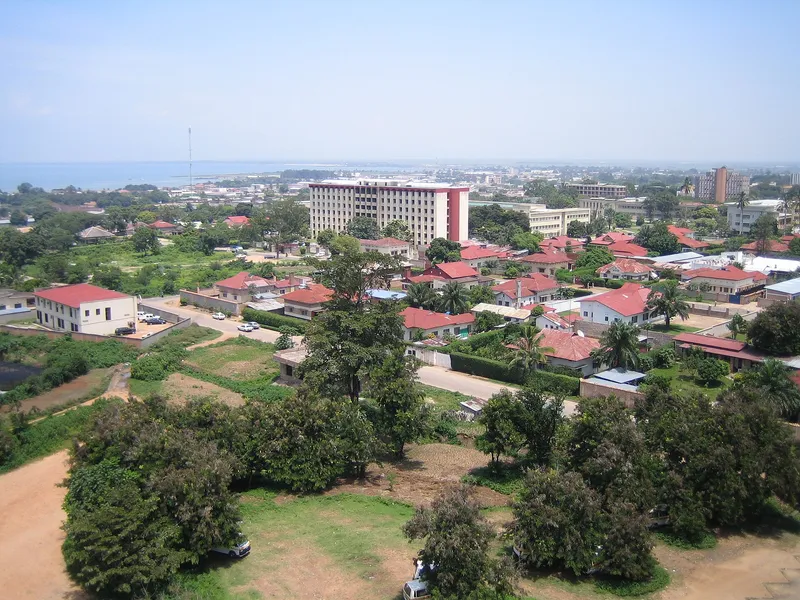
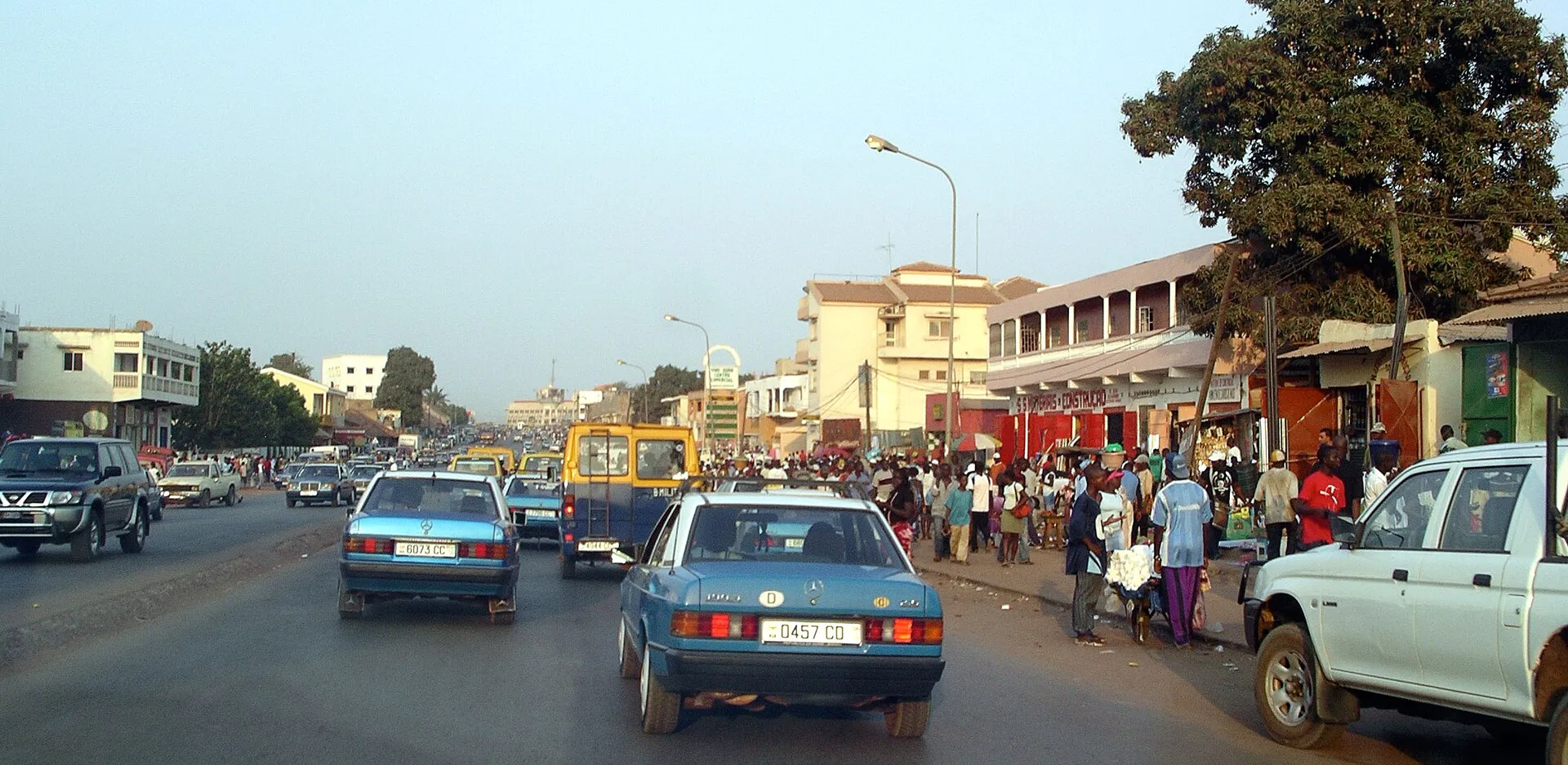 Photo: Original: Colleen Taugher from Lewiston Idaho, USA Modifications: The original uploader was Cornischong at Luxembourgish Wikipedia. / Wikimedia Commons (CC BY 2.0)