Cost of Living in Serrekunda
Where this figure comes from. No cost survey covers Serrekunda, so the $700 a month above is our own estimate rather than a measurement. On 416 of our 999 city guides the figure is built from a published Numbeo basket, a one-bedroom rent in the centre plus one person's monthly costs without rent, converted to USD; this city is not one of them. How we source everything.
Budget around $700 a month as a solo remote worker in Serrekunda, which is among the cheapest figures on this site. A one-bedroom place runs roughly $200 to $400, with the coastal strip at Kololi and Bijilo at the top of that and the inland streets well below. Market food is very cheap and the Gambia grows a good deal of its own produce, with the fish from Tanji among the best value anywhere. Imported goods carry a markup. The dalasi has weakened steadily, which helps a visitor. This is our own estimate rather than measured data. Landlords usually want six months or a year in advance and in cash, which is the largest single obstacle a new arrival meets and is more negotiable than it first appears. Electricity runs on a prepaid meter and costs more per unit than the low rents would lead you to expect, so a place with air conditioning shifts the monthly figure substantially. Prices along the tourist strip climb from November when the charter flights start and drop again in May, while the inland streets barely move at all.
Where to Work in Serrekunda
Connectivity is modest: fibre has reached parts of the coastal strip and mobile data from Africell, QCell and Gamcel is the usual answer, with prices high relative to speed and evening congestion common. Power cuts are frequent and any serious business runs a generator. There is a small coworking presence around the tourist coast. English is the official language and the medium of education and government, with Mandinka, Wolof and Fula the languages of daily life, which makes the Gambia unusually straightforward for an English speaker in a francophone region. The clock is a quiet advantage. The Gambia keeps GMT all year and never shifts, so it lines up exactly with London through the winter and falls an hour behind in the British summer, which is about as frictionless as African time zones get for European work. Buy two SIMs on different networks, because coverage and congestion vary street by street and the evening slowdown is real. An inverter with a decent battery will carry a laptop and a router through most cuts, and that combination is what local businesses use rather than running a generator all day.
Getting Around Serrekunda
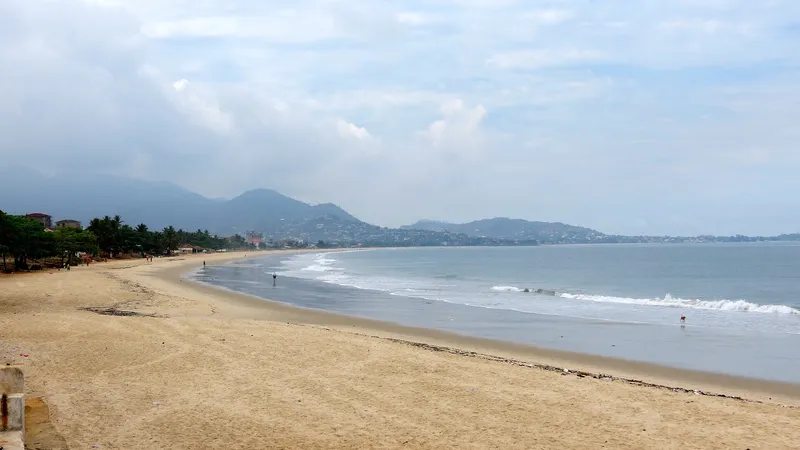
Serrekunda is the country's largest town and runs into Bakau, Kololi and the coastal resort strip without much of a break, and the whole area is flat and walkable in parts. Shared taxis and gelly-gelly minibuses cover it cheaply. The Gambia is essentially a strip of land either side of one river, three hundred kilometres long and rarely fifty wide, so most travel is either along the coast or up the river by boat or road. Banjul International airport is twenty minutes away with charter flights from northern Europe. The river trip upcountry to Janjanbureh and the Wassu stone circles takes several days and is the part of the country almost no visitor sees. Taxis come in two kinds and the difference matters: green ones are licensed for tourists and charge several times what the yellow shared taxis ask for the same journey. The ferry across the river mouth from Banjul to Barra is the link to the north bank and to Senegal beyond it, and it runs on a schedule bearing only a loose relationship to its timetable. Roads deteriorate quickly away from the coastal strip, and the rains make some of them impassable.
Sorting transport? Book an airport transfer, or compare car rental on Auto Europe and QEEQ.
Visas for Serrekunda
The Gambia grants visa-free entry to citizens of most Commonwealth countries and a number of European states for up to ninety days, with everyone else obtaining a visa on arrival or in advance. The rules vary more by nationality than in most countries, so check yours specifically. There is no remote work visa. Extensions are applied for at the immigration department. The country is a member of ECOWAS, so regional nationals move freely, and a yellow fever certificate is required from endemic countries. Anyone travelling on to Senegal, which surrounds the Gambia entirely, should note the border crossings have their own hours and their own paperwork. Because Senegal wraps around the country on three sides, almost any overland journey involves leaving and re-entering, and a single-entry Gambian visa will not survive that, so the multiple-entry version is the one to ask for. Extensions are granted at the immigration department in Banjul for a fee and are usually straightforward when applied for before expiry. Longer residence is tied to work or investment and moves slowly, which is why most foreigners here run on repeated visitor entries instead.
Best Time to Visit Serrekunda
November to May is the dry season and the practical window, with daytime temperatures around thirty-two, low humidity and the charter flights running from Europe. This is also the birdwatching season, and the Gambia's bird list is enormous for a country this size, which is why a substantial share of its visitors carry binoculars. June to October is the wet season, hot and humid with heavy rain, and much of the tourist infrastructure closes entirely. The harmattan brings dust in December and January. Kartong and the southern beaches are quieter than the main strip in any season, and the fish landing at Tanji is worth an early morning. Malaria transmission rises sharply with the rains and stays high into November, so prophylaxis is a conversation with a doctor before departure rather than a decision made on arrival. The Gambia is overwhelmingly Muslim and Ramadan reshapes the working day for a month each year, moving earlier through the calendar as it goes. Marine turtles nest on the southern beaches through the wet months, which is one of the few arguments for coming in the season everyone else avoids.
Pros and Cons of Serrekunda
The Gambia is the smallest country in mainland Africa, a strip along one river, and it is genuinely easy: English throughout, a short flight from Europe, very low costs, long Atlantic beaches and some of the best birdwatching on the continent. The internet is weak here, the tourist strip has a well-documented problem with hustling and worse and with sex tourism that visitors should be aware of, the economy is fragile, and there is very little to the country beyond the coast and the river. The Gambia also has one of the highest densities of bird species per square kilometre anywhere, which is why the country's guides are among the best in Africa. Medical facilities are limited, and anything serious means Dakar or a flight to Europe, so evacuation cover is not an optional extra here. The political picture has been considerably calmer since the long dictatorship ended in 2017, and elections since have passed without the upheaval many expected. Set against the hustling on the strip, Gambians away from it have a reputation for hospitality that travellers who get off the coast confirm without being asked.
Who Serrekunda Is For
A birdwatcher, or anyone after a very cheap English-speaking West African base within six hours of Europe, with work that copes when the signal comes and goes. The river trips upcountry are the part most visitors miss and the part worth doing. Reliable internet and a professional community are both missing. Anybody staying on the tourist strip should also prepare for persistent approaches from people selling and guiding, which is the single most common complaint visitors make about the country and the one most likely to shape how a month feels. Anybody tracing West African history should know what sits upriver. Juffureh and Kunta Kinteh Island are central to that story and both are reachable and back inside a single day. The single change that most improves a long stay is where you sleep. Taking a place in Fajara, Bakau or one of the inland streets rather than on the resort strip removes most of the friction visitors complain about, and costs less. Dakar is the alternative worth weighing for anyone choosing a West African base, being larger, better connected and home to a real professional scene, though it is francophone and considerably more expensive. Women travelling alone report the coast as manageable but persistent.
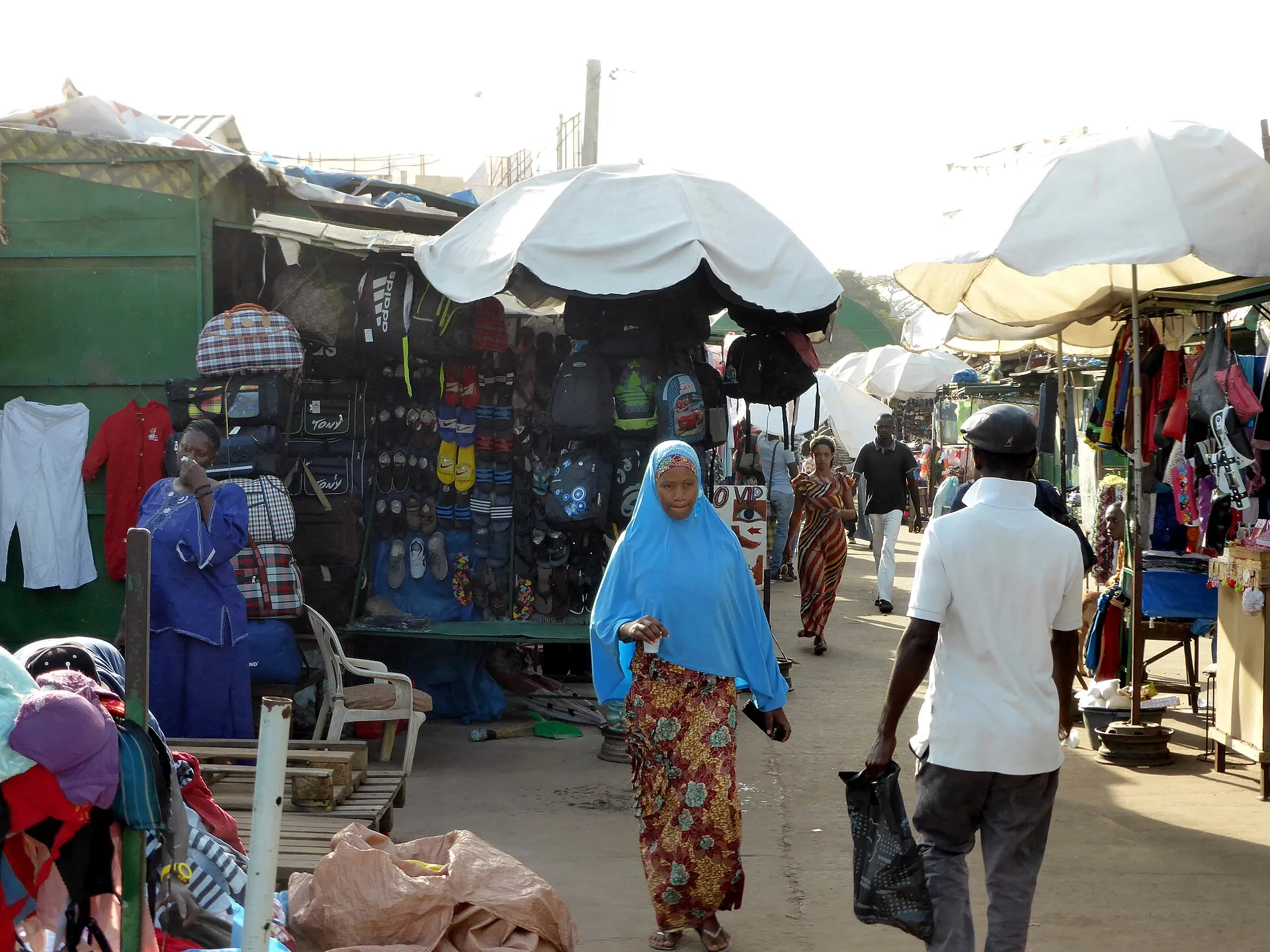 Photo: tjabeljan / Wikimedia Commons (CC BY 2.0)