Cost of Living in Bujumbura
Where this figure comes from. No cost survey covers Bujumbura, so the $900 a month above is our own estimate rather than a measurement. On 416 of our 999 city guides the figure is built from a published Numbeo basket, a one-bedroom rent in the centre plus one person's monthly costs without rent, converted to USD; this city is not one of them. How we source everything.
Budget around $900 a month. A one-bedroom runs roughly $250 to $500, with the Rohero and Kiriri areas near the embassies at the top. Market produce is very cheap and Burundi grows good coffee, bananas and vegetables. Imported goods carry a heavy markup and the supermarkets serving the expatriate community are expensive. Fish from Lake Tanganyika, particularly mukeke and the small ndagala, is cheap and excellent. Utilities are modest but power cuts are frequent. Burundi is one of the poorest countries in the world by income per head, which is visible everywhere and shapes what the low prices mean. The currency is the complication. Burundi has run a wide gap between the official exchange rate and the parallel one, which means the cost of a stay can differ substantially depending on how money is changed, and the rules around it shift. Rent at the expatriate end is often quoted in dollars and asked for several months at a time. A generator or an inverter is a normal household expense rather than a luxury, and fuel shortages have been recurrent, which turns a cheap utility into an unpredictable one.
Where to Work in Bujumbura
Connectivity is weak. Burundi is landlocked and its bandwidth arrives overland through Tanzania and Kenya, which makes it expensive and slow, and fibre reaches only parts of Bujumbura. Mobile data from Lumitel and Econet is the usual fallback. Power cuts are frequent enough that any serious office runs a generator. There is almost no coworking. Anyone with call-heavy work should treat this as a real constraint rather than a nuisance. The time zone is two hours ahead of GMT, which gives a workable European overlap and an early start against the Americas. In practice the reliable workspaces belong to organisations rather than to the public. The international hotels and the larger offices have generators and better lines, and a stay of any length usually means arranging desk access through whoever you are here with. French is the language of business and administration alongside Kirundi, and English is limited outside the international sector. Anyone who cannot arrange that kind of access should test a specific address over several days before committing to it, because the variation between buildings is larger than the variation between providers.
Getting Around Bujumbura
Shared minibuses and motorbike taxis cover Bujumbura cheaply and are how most people move. Taxis are available and inexpensive by the hour. The city is spread along the northeastern shore of Lake Tanganyika and is flat near the water, rising steeply into the hills behind, which is where the better housing sits. Bujumbura International Airport is about eleven kilometres north and connections are limited: Nairobi, Addis Ababa, Kigali and Dar es Salaam, mostly on regional carriers. The road to Kigali takes about six hours and is the common overland route. Travel outside the city after dark is generally avoided, by residents as much as visitors, and most organisations operate a rule against it. Hiring a driver for the day costs little and solves the roads and the language at once, which is why almost everyone working here does that rather than drive themselves. The lake is a route as well as a view: boats run down the shore and Kigoma in Tanzania is reachable across the water, though the schedules are irregular enough that it takes planning rather than turning up.
Sorting transport? Book an airport transfer, or compare car rental on Auto Europe and QEEQ.
Visas for Bujumbura
Burundi requires a visa of most nationalities. An e-visa system operates and is the usual route, with visas issued for thirty days and extendable in Bujumbura, and visa on arrival has been available at times but is not something to rely on. A yellow fever certificate is required. There is no remote work visa. The rules have changed more than once in recent years and the fees are payable in United States dollars. Anyone crossing overland to Rwanda should note that the border has closed and reopened several times in recent years. Carry a copy of the passport and the visa at all times, since identity checks are routine and being without documents is an avoidable problem rather than a serious one. Extensions are handled in the capital and are best begun well before the thirty days run out, because the process is not quick. Fees are paid in cash dollars in good condition, and worn or older notes are refused, which is a small detail that has stranded travellers at more than one border in the region.
Best Time to Visit Bujumbura
June to August is the long dry season and the practical window, warm at around twenty eight degrees on the lake shore with clear skies. There is a shorter dry spell in December and January. The rains from February to May and again from September to November are heavy, and Bujumbura floods, with the roads out of the city sometimes cut. Temperatures on the lake shore are consistently warm while the hills behind are noticeably cooler, and the difference of a few hundred metres is worth several degrees. Anyone visiting Kibira National Park in the north should note that its trails are close to impassable in the rains and that the chimpanzee tracking is a dry season activity. Malaria is present all year and rises after the rains, so prophylaxis is a matter for a doctor rather than a decision to make on arrival, and it is one of the few genuinely non-negotiable preparations for this destination. The lake is calmest and clearest through the dry months, which is when the beaches are worth the trip. The coffee harvest runs from around April into July and is the busiest stretch of the rural year.
Pros and Cons of Bujumbura
Bujumbura sits on Lake Tanganyika, the second deepest and second oldest lake in the world, with sand beaches at Saga and Karera that would be famous anywhere else, alongside genuinely low costs and a compact centre that is easy to walk. Burundian drumming is UNESCO-listed and unlike anything else. Burundi carries severe poverty, a fragile political situation left by the 2015 crisis, real street crime, weak medical care and limited infrastructure, and none of that is an exaggeration of the risk. This needs current government advice, not assumptions. The country's political capital also moved to Gitega in 2019, so Bujumbura remains the economic centre while the government has largely relocated inland. Lake Tanganyika looks like a beach and is not one. It holds hippos and crocodiles, and safe swimming is confined to specific stretches that residents know, so it is a question to ask rather than judge by eye. Medical evacuation cover is standard for anyone posted here and sensible for anyone else, given that serious treatment means Nairobi. Set against all of that, Burundians are widely described as among the most welcoming people in the region, and visitors say so consistently.
Who Bujumbura Is For
Development, health and humanitarian workers, and there are a good many of them here, along with researchers working on the Great Lakes. It suits anyone with a regional connection through Rwanda or Tanzania. This is not a destination and treating it as one leads to a bad month. Connectivity and power are both unreliable, and without an existing support network the practical difficulty of ordinary days runs a great deal higher than the price level would ever suggest. Lake Tanganyika is why researchers keep a presence on this shore. It holds hundreds of cichlid species found nowhere else, which has made it one of the most closely examined bodies of fresh water on the planet. Anyone drawn to the region rather than to this country specifically will find Kigali a few hours away doing almost everything more easily, with better connectivity, simpler entry and a functioning services sector, and that is where most independent remote workers in the Great Lakes actually base themselves. Bujumbura makes sense with a posting, a project or a personal connection attached to it. It also rewards anyone seriously interested in music, since the drumming here is a living tradition rather than a performance staged for visitors.
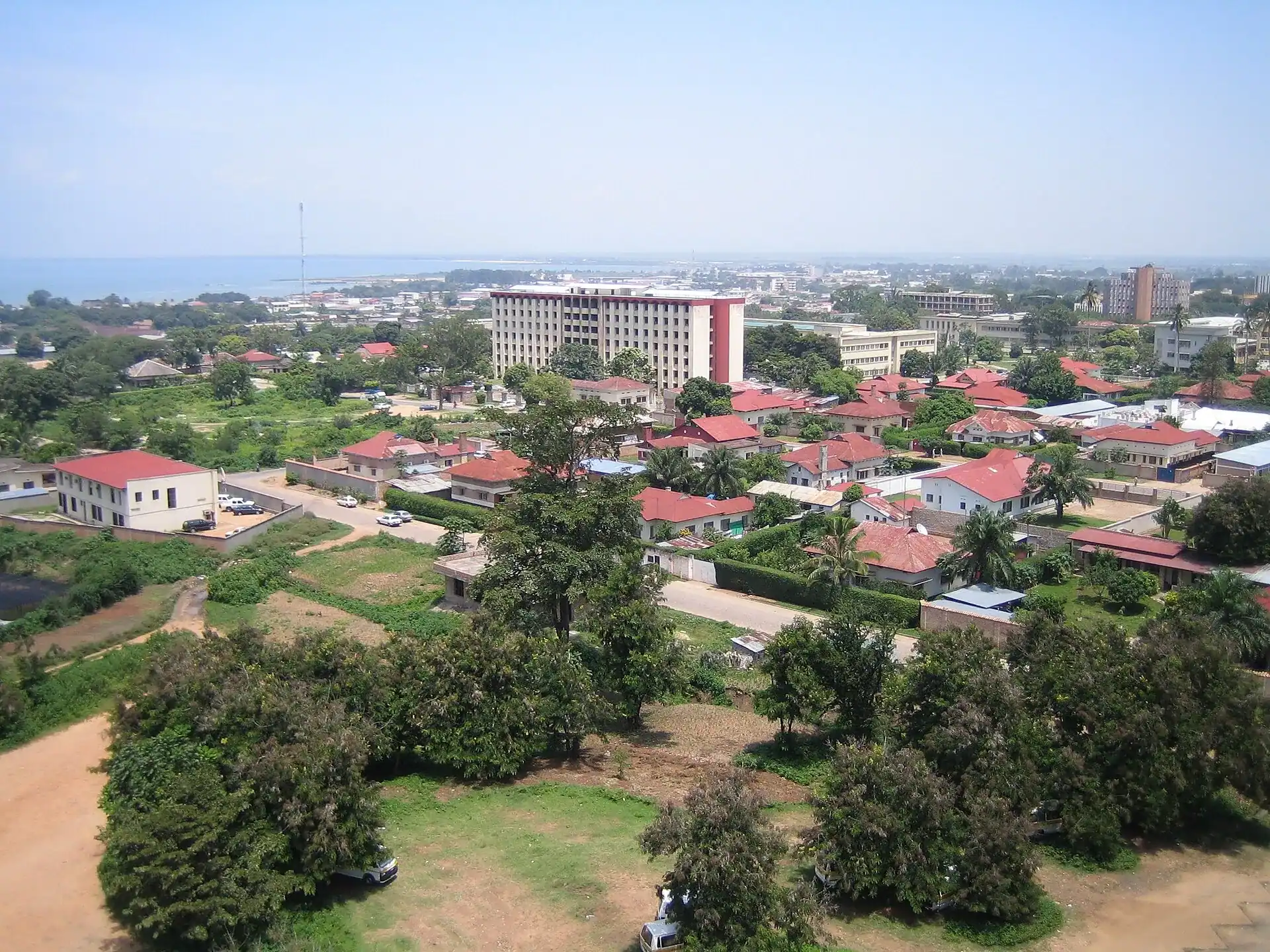 Photo: SteveRwanda / Wikimedia Commons (CC BY-SA 3.0)