Cost of Living in Batumi
Real market data
Source: Numbeo · August 2026
$900/moSolo nomad1-bed centre + living costs
$1,250/moCoupleshared 1-bed + costs
$770/moLean / localcheaper area + costs
- 1-bed rent, city centre$460₾1,215
- 1-bed rent, outside centre$340₾882
- Monthly costs excl. rent (1 person)$440₾1,142
- Meal, inexpensive restaurant$11₾30
- Monthly transit pass$11₾30
- Buy price, per m² (centre)$1,700₾4,467
Prices are from Numbeo (August 2026), converted to USD at $1 = ₾2.62 (01 Aug 2026). The monthly living-costs figure is our transparent one-person basket, groceries, a few meals out, utilities, phone, internet, transport and essentials, priced from those figures. Solo adds central rent; couple and lean are estimates from the same numbers. The guide below quotes its own monthly range, which is a different measurement rather than a competing one: this table prices a defined basket at the figures above, while that range is a judgement about how somebody actually lives here.
Batumi is one of the more affordable Black Sea cities for remote workers, though summer tourist season pushes prices up noticeably. Here is a realistic monthly breakdown for a single person:
- Rent, city center (1BR): $305-535 depending on distance from the boulevard and build quality
- Rent, further from center (1BR): $190-305 in quieter residential areas away from tourist zones
- Groceries: $150-230 per month; local markets are excellent for fruit, vegetables, and fresh fish
- Eating out: A sit-down meal at a local Georgian restaurant runs $5.50-9.50; a nicer restaurant with wine is $15-27 per person
- Coworking hot-desk: $11/day or $185-230/month at dedicated spaces
- Local transport: under $0.50 per bus trip; taxis via Bolt or Yandex rarely exceed $2-3 within the city
- Utilities (electricity, water, internet): $46-76 monthly in an apartment
Total realistic range: $700-1,200 per month. You can drop below $700 if you cook at home and rent outside the tourist core; you will exceed $1,200 if you eat out daily, take private apartments on the boulevard, or spend heavily on nightlife in peak season.
Where to Work
Batumi has a small but functional remote-work infrastructure. A few dedicated coworking spaces exist and are reliable for full-day sessions.
Coworking Spaces
Locus is one of the best-known options, located at the corner of Gorgasali and Lermontov streets in the city center. It offers 300 square meters of workspace with fast fiber internet, meeting rooms, and flexible hourly or monthly plans. Open 10:00-22:00 daily. LendSpace, inside the Magnolia Building a short walk from the coast, offers a quiet zone, a Skype room, and a kitchen; daily access is $11 and monthly is $185. Terminal Batumi near the boulevard opened more recently and targets a slightly more corporate crowd, with flex desks from $15/day.
Cafe Work Culture
Cafe culture for laptop work is emerging but is less developed than in Tbilisi. Many cafes on and near Batumi Boulevard have outdoor seating and WiFi, but staff sometimes prefer high turnover during peak summer months. In the off-season you will have far more tolerance from owners. Radio Kitchen and Bar is a popular spot with English-friendly staff and solid WiFi for shorter sessions.
The Real WiFi Situation
Fiber internet is widely available in apartments at around $13 per month and is genuinely fast. Average fixed broadband download speeds in Batumi sit around 100+ Mbps in modern buildings. Mobile 4G from Magti or Silknet covers the city and coast reliably. Coworking spaces maintain stable connections. Public WiFi on the boulevard is inconsistent and not suitable for video calls.
Getting Around
Batumi's city center is compact and walkable. Most things you need on a daily basis, from coworking spaces to supermarkets to the beach, are within 20-30 minutes on foot from any central apartment. The famous boulevard runs for several kilometers along the coast and is flat and well-maintained, making it a genuine option for walking or cycling commutes.
Local buses cost under $0.50 per ride using a Batumi Card, a free contactless card you pick up at the service center on Gorgasali Street. Minibuses (marshrutkas) cover outer areas. Bolt and Yandex taxis are cheap and reliable throughout the city, with most in-city rides under $2-3.
Airport: Batumi International Airport (BUS) sits 7 km from the city center. Municipal bus No. 10 connects the terminal to the center in about 20 minutes for $0. A taxi costs $4-5.50. There are no direct flights from many European hubs, so you will often connect through Istanbul, Warsaw, or Riga. From Tbilisi, marshrutkas run frequently and take 5-6 hours; trains are also an option.
Traffic in Batumi can be chaotic. Drivers are aggressive and pedestrian crossings are treated as suggestions rather than rules. Cross streets carefully.
Sorting transport? Book an airport transfer, or compare car rental on Auto Europe and QEEQ.
Visas and Staying Long-Term
Georgia is one of the most generous countries in the world for visa-free access. Citizens of the US, EU, UK, Canada, Australia, and around 90 other countries can enter and stay for up to 365 days without a visa. This is per entry, not per year, which effectively means you can stay indefinitely by doing a short border run to Turkey, Armenia, or Azerbaijan and re-entering.
Georgia had a "Remotely from Georgia" digital nomad program, but it has become largely redundant given the one-year visa-free stay that most nationalities already enjoy. Most nomads simply use the standard visa-free entry.
For longer-term residency, registering as an Individual Entrepreneur and reaching $19,050 annual turnover qualifies you for a temporary residence permit valid up to 6 years. Processing takes around 30 days and costs approximately $80.
Best Time to Visit
Batumi has a humid subtropical climate with mild winters and warm, often humid summers. It is one of the wettest cities in the Caucasus, so rain is a constant presence across most of the year.
Best window for remote work: April-June and September-October. Temperatures are comfortable (18-25°C / 64-77°F), the city is less crowded, accommodation prices are lower, and cafes and coworking spaces are quieter and more hospitable to laptop workers.
Summer (July-August): Peak tourist season. The city fills with domestic Georgian tourists and visitors from the wider region. Prices spike, beach areas get very crowded, and the heat and humidity (often 30°C+) can make working uncomfortable without air conditioning. If you plan to stay through summer, budget 20-30% more for rent and ensure your accommodation has A/C.
Winter (November-February): Quiet and cheap. Temperatures rarely drop below 5°C (41°F) and snow is rare, but rainfall is frequent and the city feels noticeably emptier. Good for focused work if you do not mind grey skies and some shuttered seasonal businesses.
Pros and Cons
Pros
- Very affordable cost of living, especially outside peak tourist season
- 365-day visa-free access for most Western passport holders, no bureaucracy needed
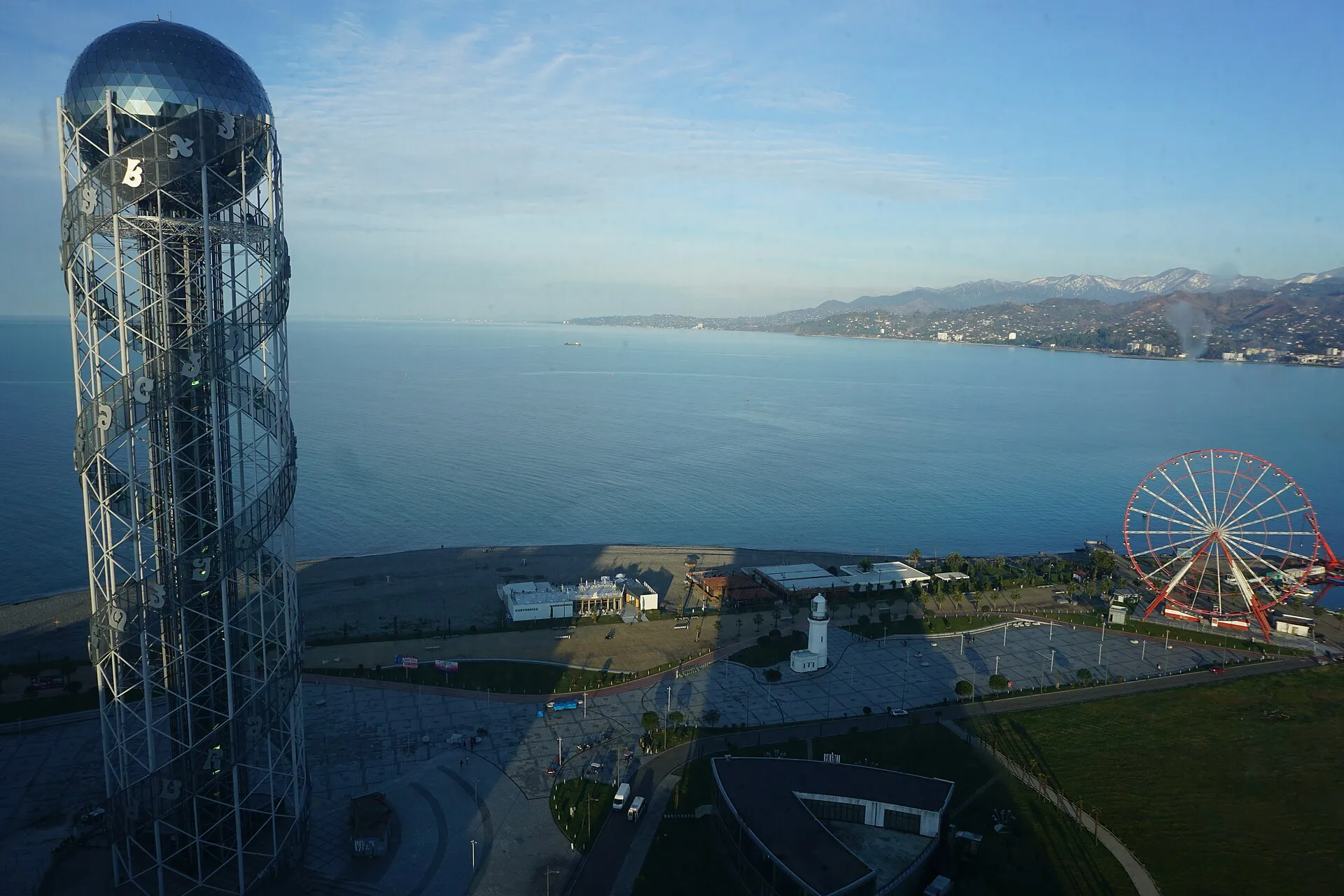
- Compact and walkable city center with a long, pleasant coastal boulevard
- Excellent local food: Adjarian khachapuri, fresh Black Sea fish, cheap local produce
- Safe city with low street crime rates
- Warm and growing expat and nomad community, partly from Eastern European exiles
- Fast apartment internet, reliable coworking spaces with good fiber connections
- Close to the Turkish border and easy access to the wider Caucasus region
Cons
- Summer is crowded, noisy, expensive, and hot; not ideal for focused remote work
- English is limited outside cafes, coworking spaces, and younger locals; day-to-day errands can be frustrating
- Traffic is chaotic and pedestrian safety is genuinely poor
- Smaller nomad and social scene compared to Tbilisi; fewer international events and meetups
- New apartment buildings are often poorly built with thin walls and slow elevators
- Limited variety in international grocery options; specialty ingredients are hard to find
- Rainfall is frequent and heavy; the city has a grey, wet feel for much of the year outside summer
Who Batumi Is Best For
Batumi suits nomads who want a genuinely cheap base with a beach lifestyle and zero visa friction. If your priorities are keeping costs well under $1,000 per month, working from a quiet apartment with fast internet, enjoying excellent Georgian food and wine, and having the Black Sea on your doorstep, Batumi delivers.
It also works well as a seasonal stop, particularly in spring or early autumn, when the crowds are gone, the weather is pleasant, and the city has a relaxed, unhurried feel. Longer-stay nomads who cook at home, do not need a large English-speaking social circle, and prefer pace over nightlife tend to rate it highly.
Skip Batumi if you need a large English-speaking nomad community, thrive on constant events and networking, or plan to be here in July and August and want a productive remote work environment. Tbilisi, a 5-6 hour drive away, offers significantly more in terms of coworking options, international restaurants, English fluency, and nomad social life. Batumi and Tbilisi are best treated as complements rather than alternatives, since the visa-free year applies to all of Georgia and many nomads split time between both cities.