Cost of Living in Bandar Seri Begawan
Where this figure comes from. No cost survey covers Bandar Seri Begawan, so the $1,300 a month above is our own estimate rather than a measurement. On 416 of our 999 city guides the figure is built from a published Numbeo basket, a one-bedroom rent in the centre plus one person's monthly costs without rent, converted to USD; this city is not one of them. How we source everything.
Budget around $1,300 a month as a solo remote worker in Bandar Seri Begawan, which is moderate for Southeast Asia and reflects an oil state with subsidised fuel and no income tax. A one-bedroom place runs roughly $400 to $700. Food is inexpensive, particularly at the night markets and the Gadong food court, and Brunei's cooking sits between Malay and Bornean traditions. Petrol costs a fraction of the regional price. There is no alcohol spend because there is no legal alcohol sale, which removes a line most budgets carry. The Brunei dollar is pegged one to one with the Singapore dollar. This is our own estimate rather than measured data. Fibre runs about $30 to $60 a month at good speeds. Petrol at around a third of the regional price is the reason everyone drives, and a car is effectively a required expense, with hire from about $300 a month. The absence of an alcohol line is genuinely material to a monthly budget in a way that surprises people comparing Brunei with Malaysia next door. Rents in Gadong and Kiulap sit above the older quarters near the river and put you closer to the malls and food courts where the city actually eats.
Where to Work in Bandar Seri Begawan
Brunei's connectivity is good: fibre reaches most of the developed area at solid speeds and mobile coverage is comprehensive, underwritten by a state that can afford the infrastructure. Power is entirely reliable. There is very little coworking, since the country has almost no visiting professional population, so remote work happens from apartments and the cafes around Gadong. English is widely spoken and is a language of instruction and business, which makes Brunei one of the easier places in the region to operate in. The country runs on the same time as Singapore and Kuala Lumpur. Brunei sits eight hours ahead of GMT, level with Singapore and Kuala Lumpur, which suits East Asian and Australian work and makes European clients an evening proposition. The country's oil wealth funds free healthcare and education for citizens, which is why the infrastructure is what it is despite a population under half a million. Coworking is limited to a couple of government-backed innovation spaces rather than a market.
Getting Around Bandar Seri Begawan
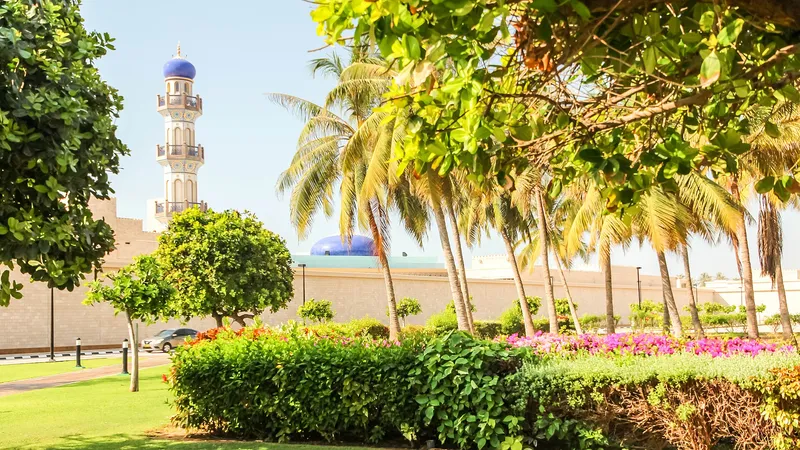
Bandar Seri Begawan is small and the centre around the Omar Ali Saifuddien Mosque is walkable, but the country assumes a car and public transport is thin: buses exist and are infrequent, and there is no rail. Petrol is so cheap that everyone drives. Water taxis cross to Kampong Ayer, the water village of stilted houses that has stood on the river for centuries and still holds thousands of people, and they cost almost nothing. Brunei airport has connections across the region. Ulu Temburong National Park, primary rainforest reached by longboat, is the country's main draw and takes a full day. Kampong Ayer has been continuously inhabited for over a thousand years and Antonio Pigafetta, sailing with Magellan, described it in 1521 as the Venice of the East. Around ten thousand people still live there and the water taxis run all day for a dollar or so. The Temburong district is now reached by a thirty-kilometre bridge opened in 2020, which replaced a boat journey through Malaysian waters and cut the trip to under an hour.
Sorting transport? Book an airport transfer, or compare car rental on Auto Europe and QEEQ.
Visas for Bandar Seri Begawan
Brunei gives visa-free entry to most Western nationalities on arrival, ninety days for British and US citizens, though the length varies more by nationality than in most countries. There is no remote work visa. Longer stays require an employment pass tied to a local sponsor. Visitors should understand that Brunei applies Sharia law, that alcohol cannot be sold although non-Muslims may import a small personal allowance, and that public behaviour standards are stricter than elsewhere in Southeast Asia. Anyone travelling on to Sabah or Sarawak should note that Brunei splits Malaysian Borneo in two, so the overland route crosses several borders in a day. Alcohol may be imported by non-Muslims in a limited personal allowance, declared on arrival, and there are no bars or licensed premises anywhere in the country. Anyone relying on that allowance should read the current quantity before packing.
Best Time to Visit Bandar Seri Begawan
Brunei is equatorial and hot all year, around thirty-two degrees every month with high humidity, so the calendar turns on rain rather than temperature. January to May is the drier half and the better window, particularly for the rainforest at Ulu Temburong, where the canopy walkway and river journeys depend on water levels and weather. The wetter months from September to January bring heavy afternoon downpours. Ramadan changes daily life substantially, with restaurants closed during daylight and a quieter public rhythm, and it is worth knowing which weeks it falls in. Ulu Temburong is reached by longboat up the Temburong river and the canopy walkway there sits at around fifty metres, and the trip requires a permit arranged through an operator rather than turning up. Hari Raya at the end of Ramadan involves the Sultan opening the palace to the public for three days, which is one of the few occasions the country genuinely fills with visitors.
Pros and Cons of Bandar Seri Begawan
Brunei is one of the safest countries in the world, has some of the best-preserved primary rainforest in Borneo an hour from its capital, a water village that is a living settlement rather than an exhibit, and infrastructure paid for by oil. English works everywhere and there is no income tax. There is nothing that could be called nightlife, no alcohol, and no remote-working scene, very little at all to do after dark, and a legal and social framework considerably stricter than its neighbours. It is quiet in a way that suits few people for long. Brunei has kept around seventy per cent of its land under forest, one of the highest proportions in Asia, largely because oil revenue meant it never needed logging or palm oil, which is why the rainforest here is intact where Sabah and Sarawak's is not. The country has no rail and no domestic flights at all.
Who Bandar Seri Begawan Is For
A very safe, very quiet, English-speaking base in Borneo with rainforest close by, for somebody who does not drink or does not mind that nobody else can. A few weeks built around Ulu Temburong and the water village is the right use of this country. A long stay is a much harder case to make. Nightlife, company and anything resembling a scene are all absent from a country where alcohol is banned outright. Anybody travelling with a partner should read the laws on personal conduct carefully before arriving, because they are stricter than most visitors assume and the penalties are not nominal. Business in Borneo is easier to run from here than from anywhere else on the island's northern coast, since Brunei combines the most comfortable infrastructure with the best connections outward. Tropical forest ecology is the field this country serves best. Brunei's primary lowland dipterocarp forest is among the best-preserved anywhere on earth, and the research station at Kuala Belalong hosts international work year-round. Kota Kinabalu is the comparison, and Brunei is safer, quieter, considerably drier socially and has the better-preserved forest.
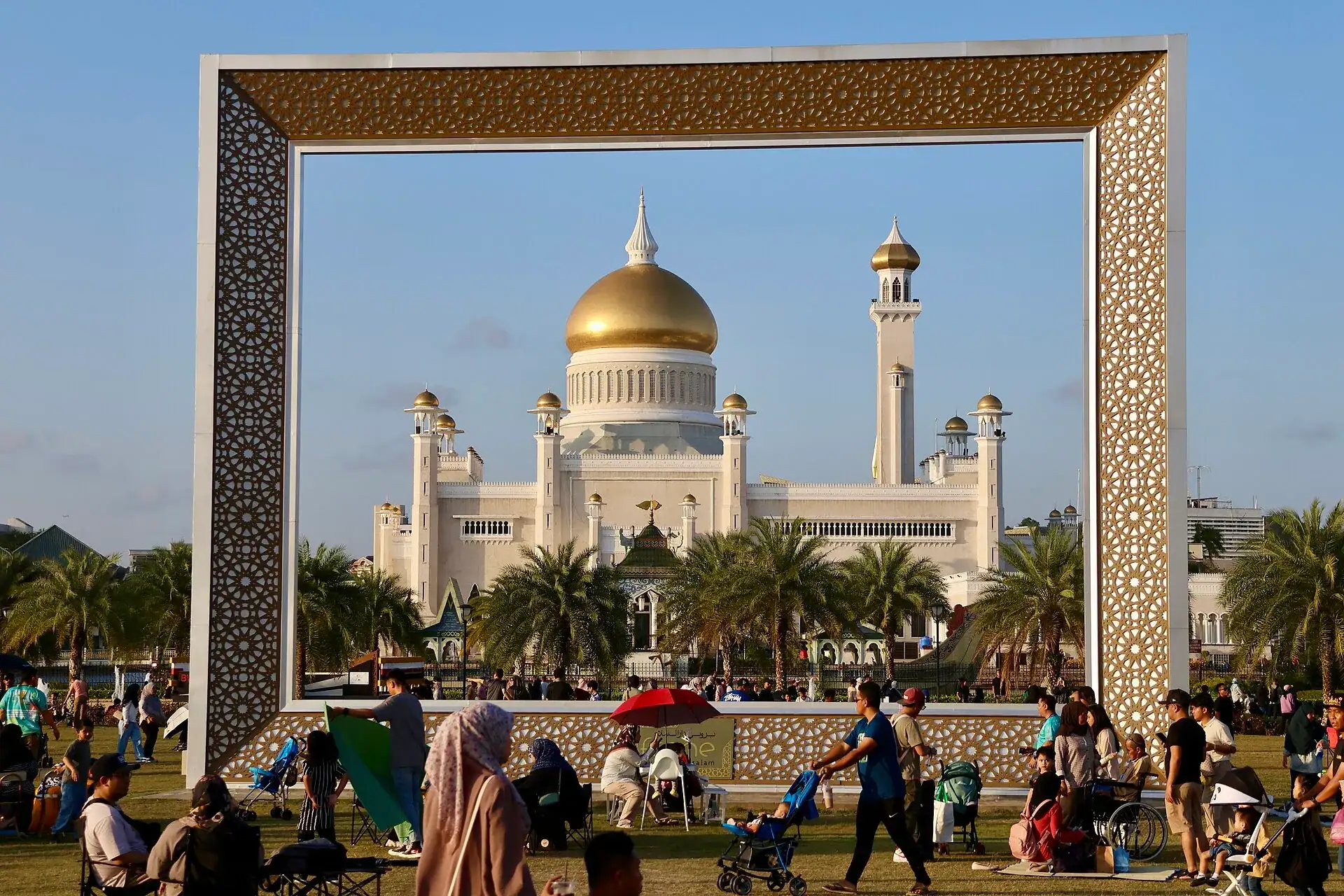 Photo: Pangalau / Wikimedia Commons (CC BY-SA 4.0)