Cost of Living in Whangarei
Where this figure comes from. No cost survey covers Whangarei, so the $1,650 a month above is our own estimate rather than a measurement. On 416 of our 999 city guides the figure is built from a published Numbeo basket, a one-bedroom rent in the centre plus one person's monthly costs without rent, converted to USD; this city is not one of them. How we source everything.
Whangarei runs about $1,650 a month for one person, which makes it one of the cheaper places to live in New Zealand but still expensive against most of this site. A one-bedroom flat near the Town Basin or in Kensington is $700 to $950; a room in a shared house is $400 to $550. Groceries are the surprise for newcomers, at $350 to $450 a month for one, because so much is imported. A flat white is $4 and a pub meal $18 to $25. Coworking is limited but exists at around $200 a month. Fibre is $50 to $70 for gigabit, power $70 to $110, and a car is close to unavoidable. Fifteen per cent goods and services tax sits inside every advertised price, so the shelf figure is the final one. A tenancy bond runs to four weeks of rent and is lodged with a government service rather than held by the landlord, which makes getting it back at the end far simpler than in most countries. Contents insurance is cheap and close to universal.
Where to Work in Whangarei
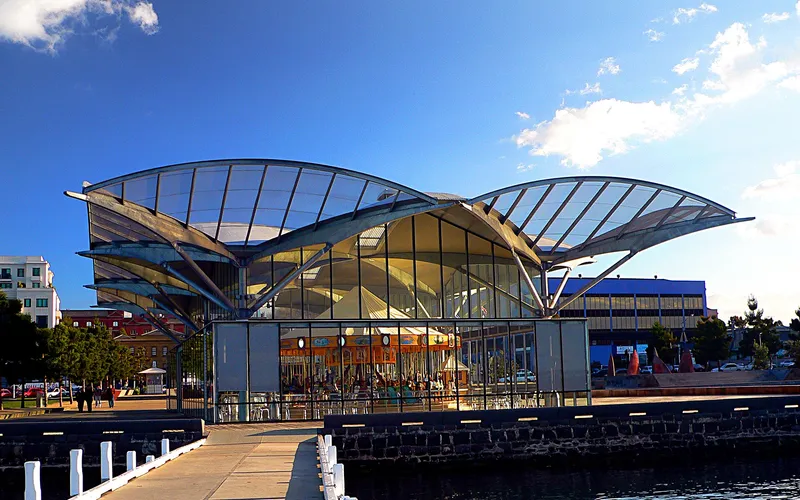
Whangarei is small, so the coworking options are few but the internet is excellent: New Zealand's fibre rollout reached the city early and gigabit connections are standard in town at $50 to $70 a month. There is a coworking space near the Town Basin and desks in the Old Municipal Building precinct, generally around $200 monthly, and the Hundertwasser Art Centre area has cafes that tolerate a laptop through the morning. Most remote workers here work from home, which is easy given the housing stock is houses rather than apartments. Mobile coverage from One NZ, Spark and 2degrees is solid in town and patchy on the Tutukaka coast and out towards the harbour heads. An IRD number is needed before any local income can be paid properly and takes a few days to obtain online, which is worth starting early even for somebody who will never invoice locally, since the banks ask for it too. Cuts are rare, but the region sits at the end of a long transmission line and a storm can take the area out for a day. The library by the river is the quiet fallback when the house stops working.
Getting Around Whangarei
You need a car. Whangarei's bus network, CityLink, covers the main suburbs on weekdays with a limited weekend service, and the town centre and Town Basin are walkable, but everything that makes Northland worth being in is a drive: Whangarei Heads and Ocean Beach are 35km, the Tutukaka coast and the Poor Knights boats 30km, Whangarei Falls a short trip north of the centre. Petrol runs about $2.20 a litre. Auckland is 160km south on State Highway 1, roughly two and a half hours, and the Bay of Islands about an hour north. There is a small airport with flights to Auckland but no international service. The road south crosses the Brynderwyn hills, which slipped badly in the 2023 storms and closed for months, and that single stretch is what the region's freight and travel both depend on. The railway up here carries freight rather than passengers, so there is no train option at all. A second-hand car is cheap to buy, and the annual roadworthiness check is strict enough to be worth attending to before any purchase.
Sorting transport? Book an airport transfer, or compare car rental on Auto Europe and QEEQ.
Visas for Whangarei
New Zealand's visitor visa allows most Western nationalities up to 90 days visa free, or 180 days for British citizens, entering under the NZeTA which is requested online for a small fee before travel. Since 27 January 2025 New Zealand has explicitly permitted visitors to work remotely for an overseas employer while on a visitor visa, one of the clearest positions of any country, though the tax residency rules still apply once you pass 183 days. Working holiday visas for 12 months are available to under-30s or under-35s from many countries and are the usual route for a longer stay. There is no separate digital nomad visa and none is needed. The travel authority itself lasts two years and covers multiple visits, so the ninety days are counted per entry rather than per authority. Anyone intending to stay long enough to trigger tax residence should take advice before the clock runs rather than after, since the country taxes worldwide income once you are resident. The working holiday route closes on a birthday, which is the detail people leave too late.
Best Time to Visit Whangarei
Whangarei is the warmest city in New Zealand and Northland is genuinely subtropical, so the seasons are gentler than the rest of the country. December to March is summer: highs of 24C to 26C, long evenings, warm sea, and the Poor Knights diving at its best with visibility often over 30 metres. It is also when the whole country takes holidays, so book accommodation early for January. Winter from June to August is mild at 15C to 16C but genuinely wet, and Northland gets more rain than most of the country. April, May and October are the quiet, pleasant months and the best value. Humidity is high year round. Ex-tropical cyclones reach this coast in February and March in some years, arriving as heavy rain and wind rather than as the thing that formed them, and the 2023 storms were the worst in decades. Pohutukawa along the coast flower red through December, which is what the country uses instead of a Christmas tree. Water temperature trails well behind the air here, so the diving is warmest in late summer rather than at midsummer.
Pros and Cons of Whangarei
Whangarei has the mildest climate in New Zealand at the cheapest big-town prices in the country, with gigabit fibre, a rebuilt waterfront around the Town Basin marina, the Hundertwasser Art Centre, and some of the best temperate diving anywhere in the world, half an hour offshore at the Poor Knights Islands marine reserve. Auckland is a two-and-a-half-hour drive and the Bay of Islands an hour. It is safe, clean, and English speaking. It is still expensive by global standards, a car is mandatory here, the remote-working population here is essentially nil, nightlife is a handful of pubs, winter is properly wet, and Northland has a real socioeconomic divide that is visible in parts of the city. The refinery at Marsden Point closed in 2022 and became an import terminal, which took a large block of skilled work out of the district and is part of why the economy feels thinner than the population would suggest. Abbey Caves on the edge of town are undeveloped limestone caves with glowworms, entered with a torch and no ticket office, which is the sort of thing the region has instead of attractions.
Who Whangarei Is For
New Zealand without Auckland rents, for anyone whose leisure is outdoors: diving, sailing, sea kayaking, tramping, or surfing the east coast beaches. It works well on a working holiday visa for a year, or as a three-month summer base for someone with a business that runs on European or American hours, since the time zone puts you a day ahead of almost everyone. New Zealand prices will finish off a tight budget, a driving licence is not optional out here, and neither a nomad scene nor a nightlife exists to be found. If you want New Zealand with more people doing the same thing, Wellington and Queenstown are where they are. Anyone comparing the warm end of the country should know that Tauranga is larger, busier and costs a great deal more, and that this is the cheaper version of the same climate. The hospital here is the regional base for all of the north, which matters more than it sounds for anybody living an hour further up. Families do well and single arrivals under thirty tend not to stay.
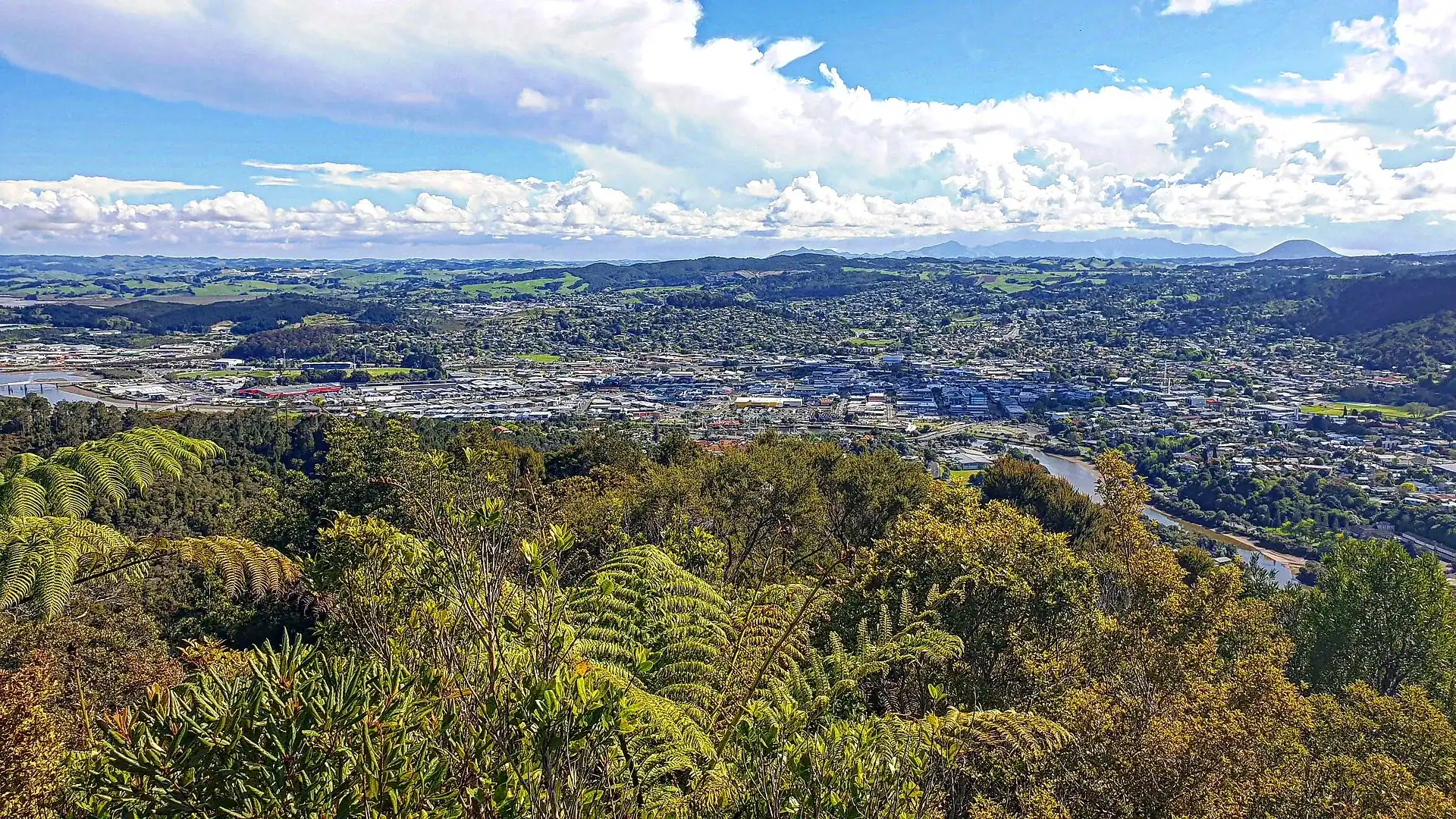 Photo: Uarangi / Wikimedia Commons (CC BY-SA 4.0)