Cost of Living in Nanaimo
Where this figure comes from. No cost survey covers Nanaimo, so the $1,900 a month above is our own estimate rather than a measurement. On 416 of our 999 city guides the figure is built from a published Numbeo basket, a one-bedroom rent in the centre plus one person's monthly costs without rent, converted to USD; this city is not one of them. How we source everything.
Budget around $1,900 a month as a solo remote worker in Nanaimo, which is meaningfully cheaper than Victoria and dramatically cheaper than Vancouver while sitting on the same coast. A one-bedroom apartment runs roughly $1,100 to $1,500, with the harbour and the north end at the top of that range. British Columbia's grocery and fuel prices are high by North American standards. The saving against the mainland is the entire reason the city has grown, and it has been narrowing steadily. This figure is our own estimate rather than a reconciliation against measured data. Ferries are the line most people underestimate, at roughly $70 each way for a car and driver to the mainland, which quietly reshapes how often you leave the island.
Where to Work in Nanaimo
Nanaimo has a small coworking presence serving a local economy of healthcare, education, forestry and the growing population of people who left Vancouver. Vancouver Island University keeps a professional layer in the city. Fibre is widely available at Canadian prices, which are high, and mobile coverage is good in the built-up area and patchy once the island road heads inland. The float plane to downtown Vancouver takes about twenty minutes, which makes a meeting on the mainland a morning rather than a day and is the single most useful piece of infrastructure here. Coverage has real gaps on the highway north to Campbell River and west across to Tofino, which matters if your work involves calls taken on the move. The clock is the thing to think about before committing: eight hours behind London and three behind the eastern cities means a European call lands before breakfast and an eastern one eats the morning, which suits somebody billing westwards and punishes anybody billing east. Forestry is still a real employer here, though the mills have closed steadily for thirty years and the jobs that replaced them are in health, education and the public sector rather than in anything a newcomer walks into.
Getting Around Nanaimo
Nanaimo is strung along the coast and the downtown core near the harbour is walkable, but the city sprawls north and south along the highway and most residents drive. Two ferry routes cross to the mainland, at Departure Bay and Duke Point, taking around two hours to Horseshoe Bay and Tsawwassen respectively. Float planes and a passenger ferry serve downtown Vancouver directly. Victoria is ninety minutes south by road and Tofino around three hours west across the island. Saysutshun, the island in the harbour, is a ten-minute foot passenger ferry and a good afternoon. BC Transit covers the corridor between downtown and the university adequately during the day, then thins sharply in the evening, which is when the car becomes unavoidable. Sailings fill on summer weekends and a reservation costs extra on top of the fare, so turning up and waiting for the next boat is the alternative and it can mean hours in a car park. The island highway drops to two lanes for most of its length once you leave the corridor, and deer on it at dusk are a standing hazard rather than an occasional one. Winter tyres are required by law on the routes across the island between autumn and spring.
Sorting transport? Book an airport transfer, or compare car rental on Auto Europe and QEEQ.
Visas for Nanaimo
Canada has no digital nomad visa, but its 2023 tech talent strategy confirmed what had been ambiguous: visitors may work remotely for a foreign employer during a standard visitor stay, normally up to six months. That is the practical route for most people and it requires only an eTA for visa-exempt nationalities. The International Experience Canada working holiday covers under-thirties or under-thirty-fives depending on country and gives full work rights for one or two years. Permanent routes run through Express Entry and the provincial nominee programmes, both of which are competitive and slow. The six months is at the border officer's discretion rather than an entitlement, so be ready to show ties abroad and onward travel. An extension is applied for online before the current stay expires and produces a visitor record, a document rather than a stamp, and applying in time preserves status while the decision is pending. Citizens of the country to the south need no authorisation at all and are simply waved through, a distinction that advice written for everybody else tends to bury. The province runs a stream of its own aimed at smaller communities, which is how a few people have turned a stay out here into something permanent.
Best Time to Visit Nanaimo
May to September is the dry half and the reason people put up with the rest, with warm days rarely above twenty-five, long light evenings and the water at its most usable. July and August are the busiest and the driest. October to April is the wet season, and the total rainfall is the defining fact of life on this coast: not cold, rarely below freezing, but grey and wet for weeks. The island's east coast, where Nanaimo sits, is considerably drier than the west, which is a difference worth understanding before choosing a town. The dry stretch has lengthened in recent years and summer water restrictions are now a routine part of an island summer rather than an exceptional measure. The herring spawn in late winter turns miles of water a pale milky green and brings sea lions, eagles and whales in behind it, which is the one genuinely spectacular natural event of the year here and is over inside a fortnight. At the other end, smoke from fires burning in the interior drifts across the strait some years and settles for days, turning a bright week hazy and orange. Neither is on any tourist calendar and both shape how residents plan.
Pros and Cons of Nanaimo
Nanaimo gives access to Vancouver Island at a price the island's better-known towns no longer offer, with a working harbour, a twenty-minute float plane to downtown Vancouver, forest and coast in every direction and Tofino across the island. English is universal and the city is safe and easy. The winter is relentlessly grey and wet, no remote-working scene has formed here at all, the city itself is workmanlike rather than beautiful outside the harbour, and Canadian internet and grocery costs are high. Everything beyond the island involves a ferry or a flight. Island healthcare capacity is stretched and finding a family doctor is a well-known local difficulty, which matters more for a stay of months than of weeks.
Who Nanaimo Is For
The Pacific northwest coast without the Vancouver housing market, for anyone holding Canadian work rights or a working holiday and set up for a wet winter. Paddling, hiking and riding are all immediately accessible, which is most of why anybody chooses to live out here. Foreigners in numbers, a night out and a professional network with any depth all sit across the strait in Vancouver, and the ferry is long enough that they stay there. Victoria is worth visiting before deciding, since the price gap has narrowed and the character of the two is not the same. It also suits someone splitting time with the mainland, since the float plane makes a weekly day in Vancouver a practical routine rather than an expedition.
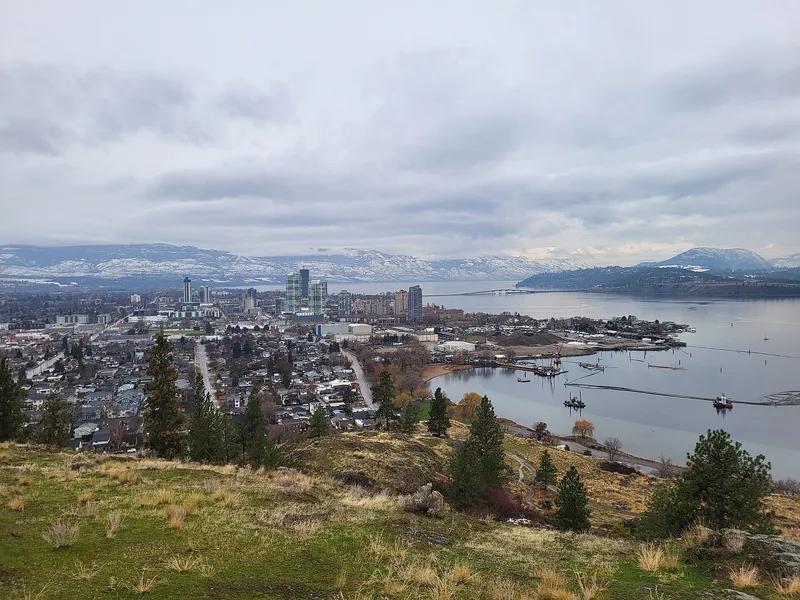
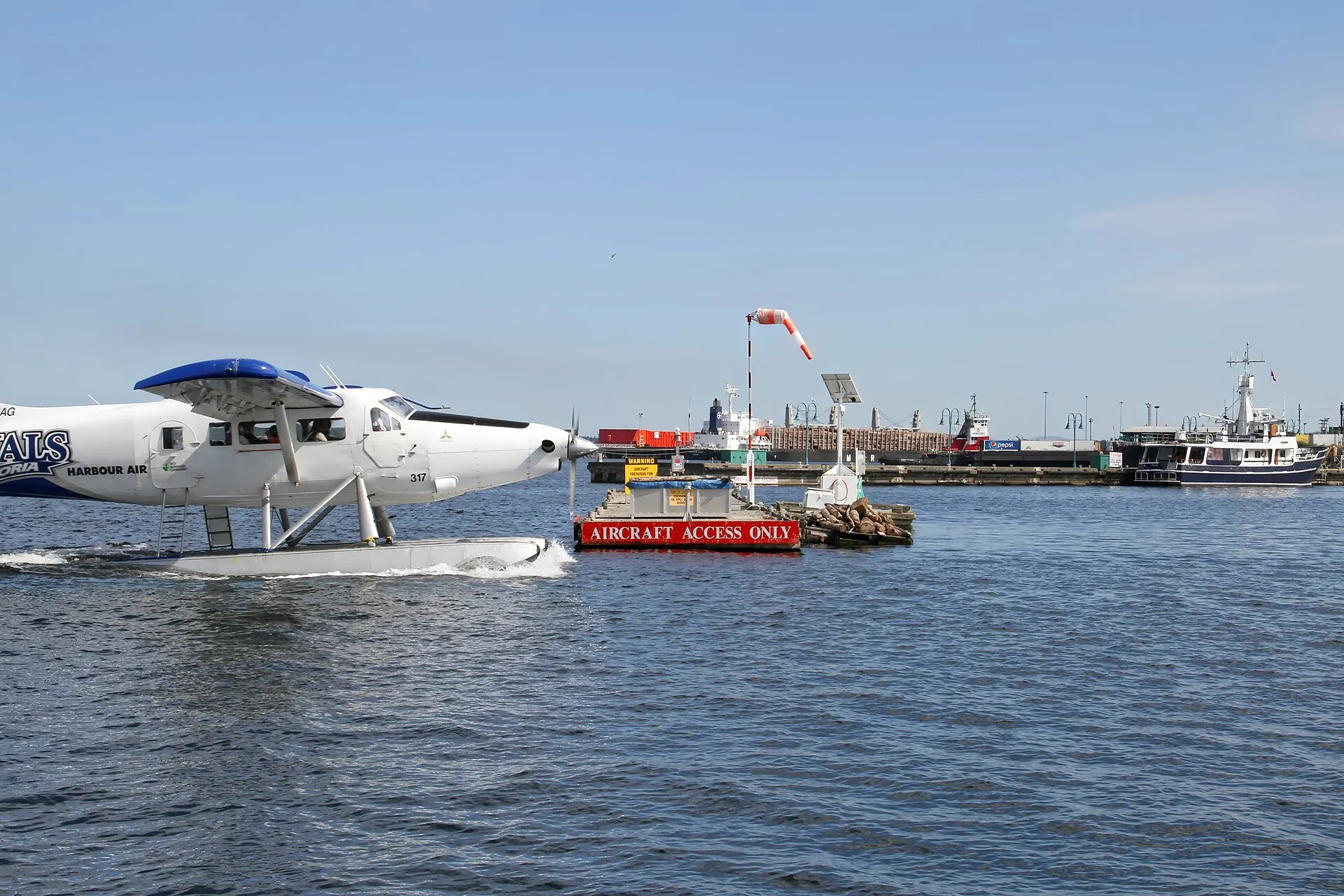 Photo: Islander61 / Wikimedia Commons (CC BY-SA 4.0)