Cost of Living in Geelong
Where this figure comes from. No cost survey covers Geelong, so the $2,000 a month above is our own estimate rather than a measurement. On 416 of our 999 city guides the figure is built from a published Numbeo basket, a one-bedroom rent in the centre plus one person's monthly costs without rent, converted to USD; this city is not one of them. How we source everything.
Budget around $2,000 a month as a solo remote worker in Geelong, which is below Melbourne for a comparable standard and is the main financial argument for the city. A one-bedroom apartment near the waterfront runs roughly $1,000 to $1,400, with the suburbs considerably cheaper. Groceries and eating out are ordinary Australian prices, which are high. The Melbourne train is an ongoing cost for anyone commuting. This figure is our own estimate rather than a reconciliation against measured cost data, so treat it as a working budget rather than a measurement. Renting in Australia is a competitive application rather than a viewing. Properties are inspected in group sessions, applications go in the same day with references and payslips, and a newcomer without local rental history or an Australian employer is at a genuine disadvantage. A bond of four weeks plus rent in advance is standard. Health cover is the other line that varies by status, since visitors without reciprocal Medicare arrangements pay privately and the requirement is a condition of some visas. Electricity and gas are expensive, and older Victorian housing is poorly insulated against the winter.
Where to Work in Geelong
Geelong has a small coworking scene and a professional base built on Deakin University, the health sector and a manufacturing economy that has been reinventing itself since the Ford plant closed in 2016. Desks run from roughly $250 a month. The NBN reaches most of the city with reliable speeds and mobile coverage is comprehensive. The waterfront redevelopment has brought newer office space and the cafes along it are used to people working from them. Australian home internet remains expensive for what it delivers. Melbourne is an hour by train for anything the local network cannot supply, which is how most people here treat the professional gap. The time zone is the hard constraint for anyone whose clients are elsewhere. This coast runs ten or eleven hours ahead of London and well ahead of the Americas, so European work means late evenings and North American work means very early mornings, with no arrangement that makes both comfortable. What compensates is Asia, with Singapore, Tokyo and Hong Kong all a few hours away. The city also hosts several large insurance and government back offices, which are a bigger share of the local professional economy than the university is.
Getting Around Geelong
Geelong's centre and waterfront are flat and walkable, and the Baywalk Bollards run along the promenade as a public art trail. A local bus network covers the suburbs. The train to Melbourne takes about an hour and runs frequently, which is what makes the city viable as a cheaper alternative to living there. Avalon airport is twenty minutes away with domestic and some international flights. The Great Ocean Road starts west of the city and Bells Beach is half an hour down the coast. The Bellarine Peninsula with its wineries and beach towns is half an hour east, and the rail trail out to Queenscliff is a good day on a bicycle. A ferry crosses from Queenscliff to Sorrento on the Mornington Peninsula, which turns a long drive around the bay into a short crossing and is how to reach that side without going through Melbourne. Public transport runs on the Myki card, the same one used in the capital. Driving to Melbourne is possible and rarely quicker than the train once tolls, traffic and parking are counted, which is why most regular commuters give it up after a month.
Sorting transport? Book an airport transfer, or compare car rental on Auto Europe and QEEQ.
Visas for Geelong
Australia has no digital nomad visa. Most Western nationals get an eVisitor or Electronic Travel Authority allowing three months per entry within twelve months, with no right to work for an Australian employer and remote work for a foreign one legally unclear. Working Holiday visas are open to under-thirties or under-thirty-fives depending on nationality and allow twelve months with work rights. Longer stays run through employer sponsorship or skilled migration, both substantial processes requiring a skills assessment and considerable time. Avalon airport nearby handles some international flights, which matters for anyone whose visa runs on repeated entries rather than a single long stay. Geelong is classified as a regional area for migration purposes, which attracts extra points on the skilled migration pathway and opens visa streams that require living outside the largest capitals. For anyone actually pursuing Australian residence rather than visiting, that classification is a more substantial argument for the city than the rent difference is. The rules attached to those streams change regularly.
Best Time to Visit Geelong
December to March is the summer window, with daytime temperatures in the mid twenties and the bay warm enough to swim. Melbourne's reputation for four seasons in a day applies here too, and a February day can swing from thirty-five to eighteen when a cool change comes through. Autumn in March and April is the most settled weather of the year. Winter from June to August is cold and grey by Australian standards, with highs around fourteen, though it rarely freezes. Rain is spread across the year. Anyone planning around the Great Ocean Road should know it is busiest between December and February and considerably more pleasant in autumn. The ultraviolet index here is severe even on cool days, so sun protection is a year-round habit rather than a summer one. And the bushfire season runs through summer, which matters for anyone heading into the Otways or along the coast, where fire danger ratings are published daily and taken seriously. Southern right whales come into the coast between June and October, which gives the grey months a reason of their own.
Pros and Cons of Geelong
Geelong combines a rebuilt waterfront on Corio Bay, a university, an hour's train to Melbourne and the start of the Great Ocean Road, at rents meaningfully below the capital. Bells Beach and the Otways are close. Australian costs are high and do not bend, the visa position rules the city out for most non-Australians, the weather is unreliable, and the city is still working through the closure of the industries that built it, which shows in parts of it. The bay itself is shallow and calm rather than surf coast, so anyone expecting waves needs to drive to Torquay or Bells, half an hour south. The city has grown quickly as Melbourne's prices pushed people down the highway and the housing market has tightened accordingly, so the cost advantage over the capital is real but narrower than it was five years ago. And there is more cultural weight here than the industrial reputation suggests, with a serious regional gallery and a performing arts centre, though anyone wanting range rather than quality will still be catching the train.
Who Geelong Is For
Australian work rights and a want of coastal living within reach of Melbourne without paying Melbourne rents, plus the surfers drawn to the Surf Coast. It works for anyone connected to Deakin. A foreign passport with no visa route attached gets nowhere here, a travelling budget will not survive Australian prices, and reliable warmth is not something this stretch of coast delivers even at the height of summer. It also suits families, since the city has the schools, hospitals and space that inner Melbourne makes expensive, and anyone whose work is in Melbourne but only two or three days a week. Among the Victorian regional cities the choice is between the coast and the goldfields: Ballarat and Bendigo are cheaper again, with grander nineteenth-century architecture and colder winters, while this one has the bay, the surf coast and the faster train. Torquay is the alternative for anyone whose priority is waves rather than a city. The clearest case here is the hybrid worker who needs Melbourne two days a week and would rather spend the other five near water.
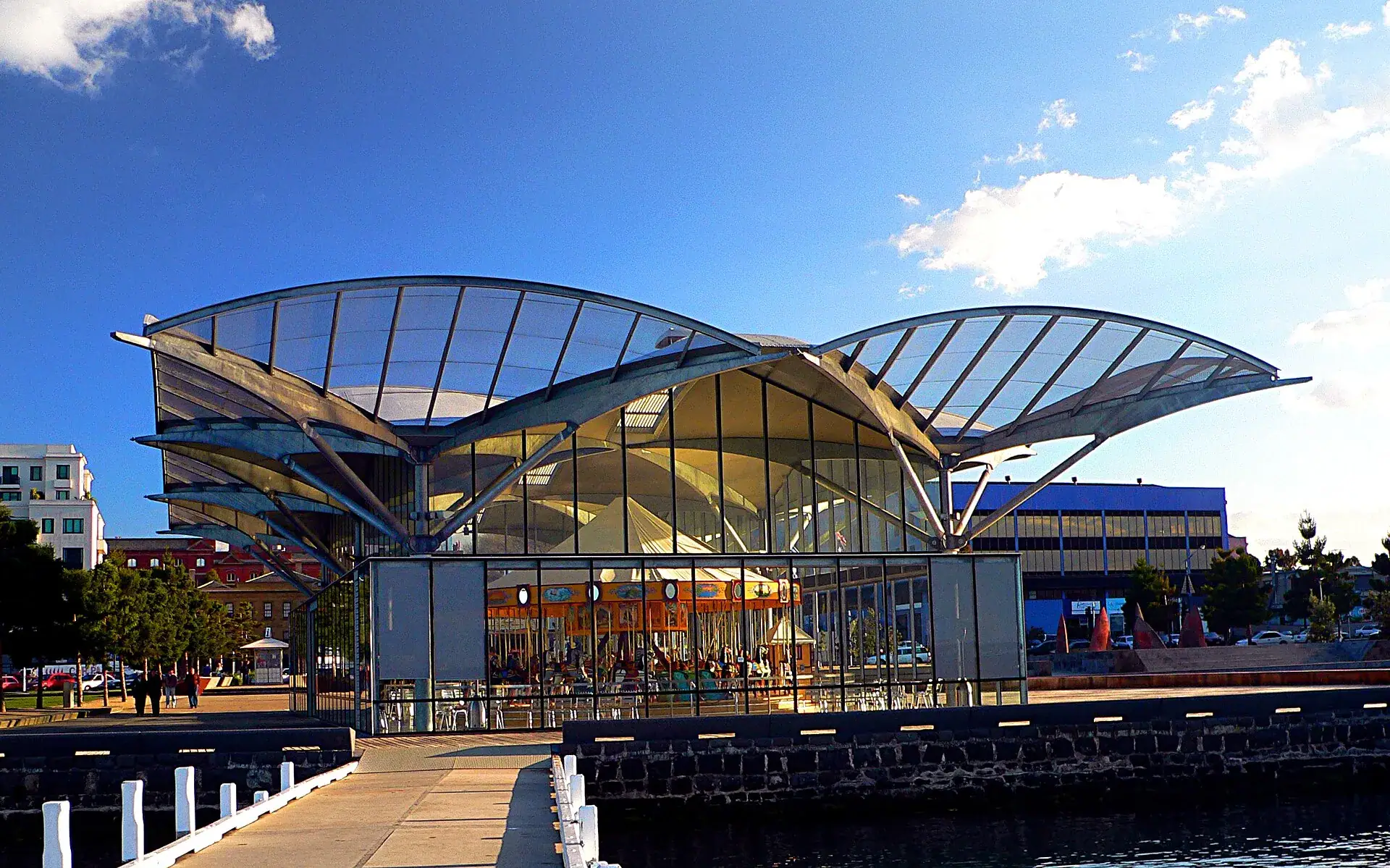 Photo: Bernard Spragg. NZ from Christchurch, New Zealand / Wikimedia Commons (CC0)