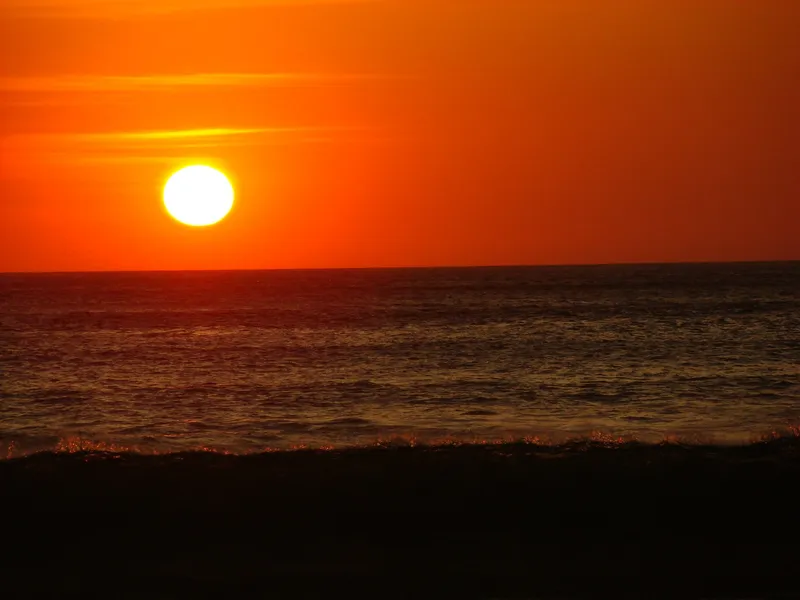
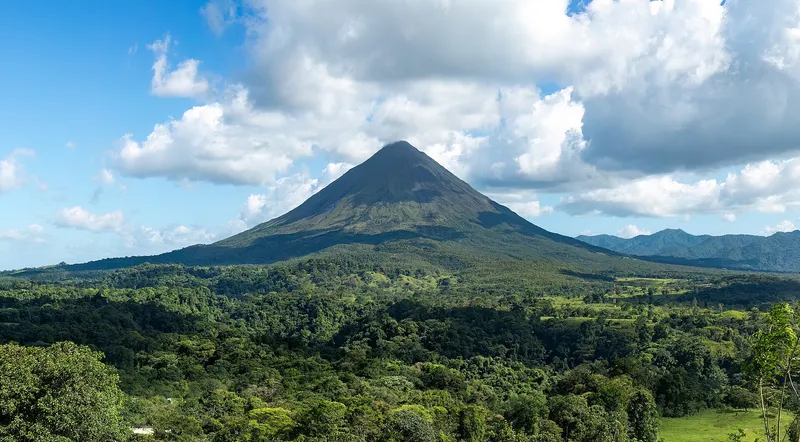
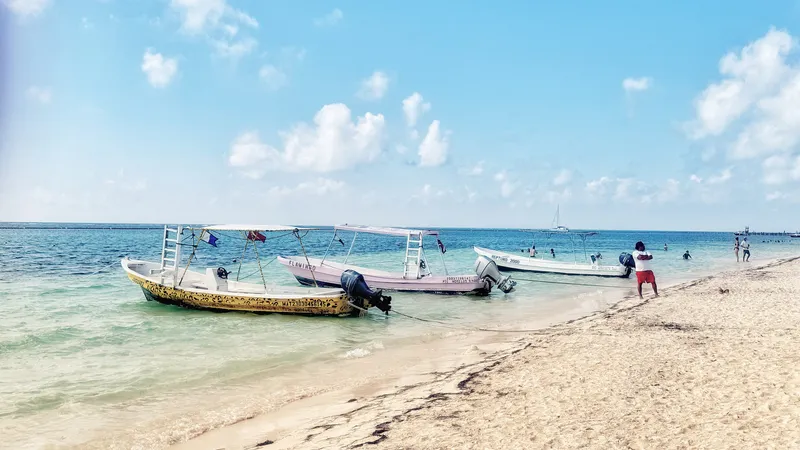
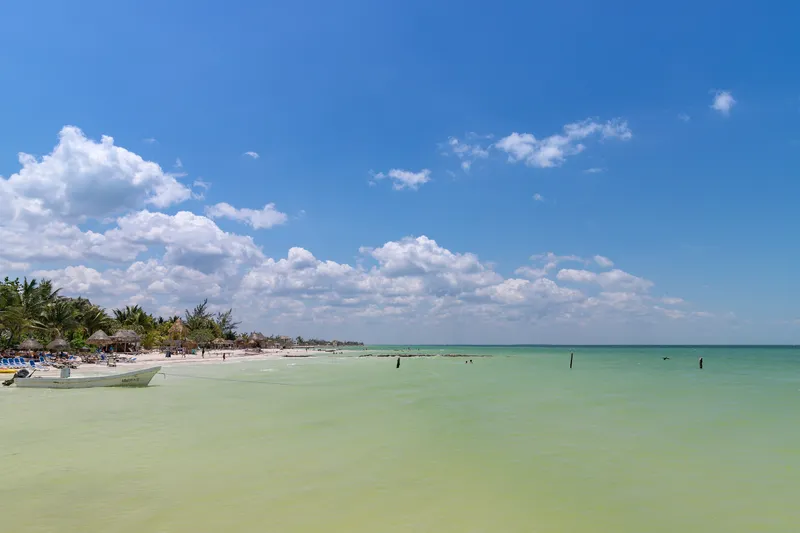
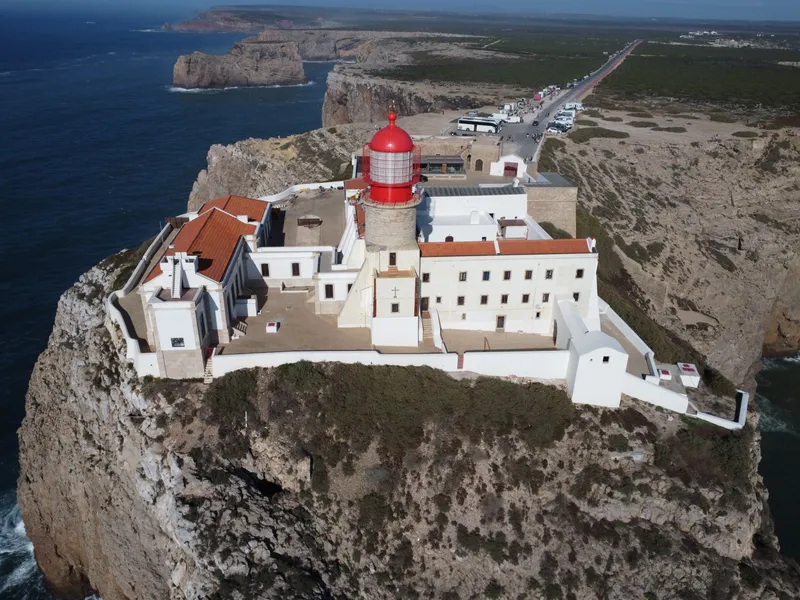
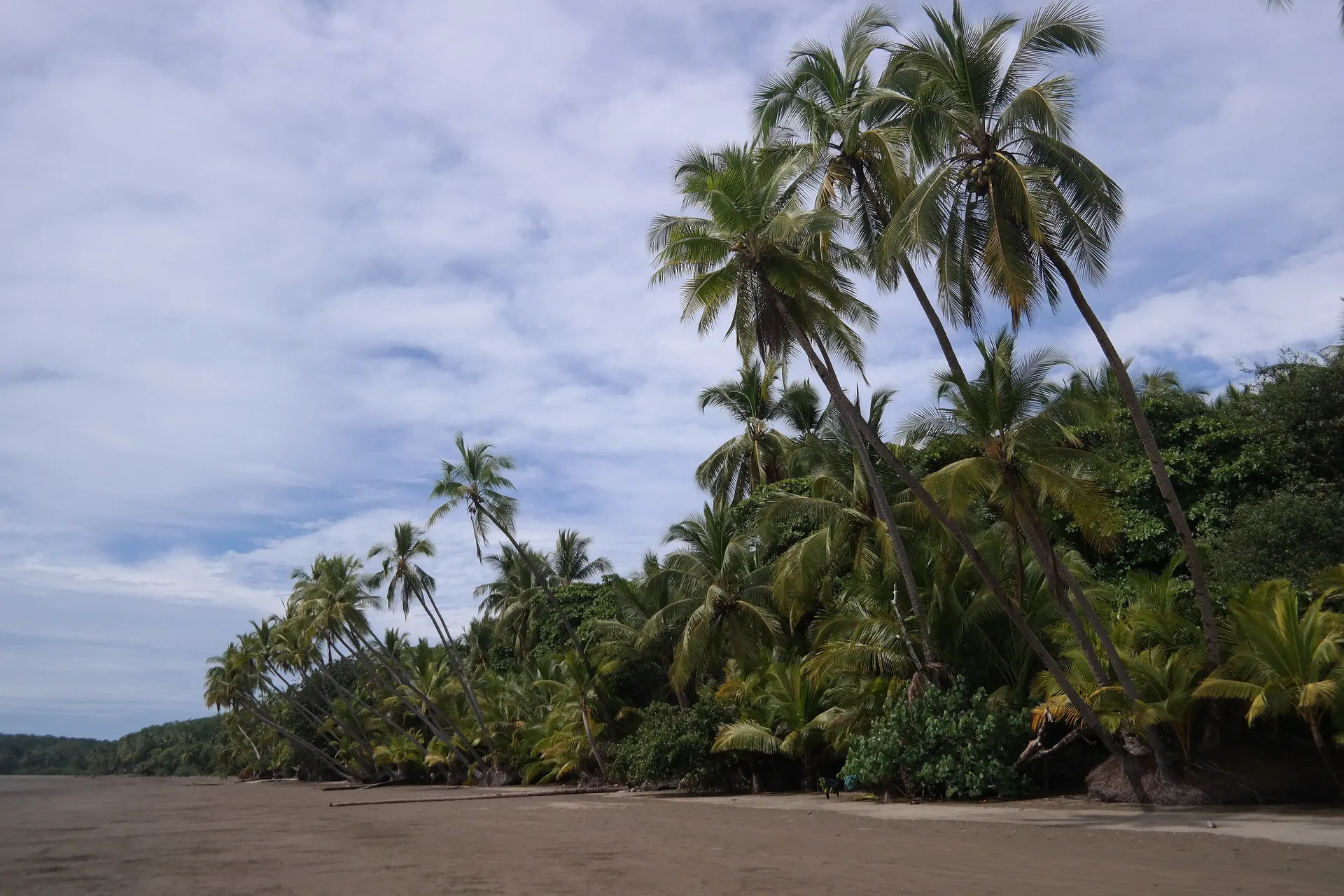
Palm-lined Playa Uvita in Marino Ballena National Park, Costa Rica
Photo: Alfarjores / Wikimedia Commons (CC BY 4.0)
Costa Rica flag

Uvita

Costa Rica

A rainforest town on the Costa Ballena, beside a marine park whose sandbar is shaped like a whale's tail.

$1,800
Monthly Budget
--
Current Weather
Tropical Rainforest
Climate Type
6/10
WiFi Score
7/10
Safety Score
UTC-6
Timezone
0
Nomad Score

Setting Up as a Nomad in Uvita

A rainforest town on the Costa Ballena, beside a marine park whose sandbar is shaped like a whale's tail. Plan on roughly $1,800 a month. Its strengths are nature and clean air, while nightlife is where it scores lower.

Compare Uvita vs San José →

Nomad Facts at a Glance

The practical basics for Uvita, Costa Rica

CurrencyColon (₡, CRC)
LanguageSpanish
Plugs & powerType A/B · 120V / 60Hz
Tap waterSafe in most areas
Tipping10% often added
Ride-hailingUber, DiDi
Emergency911
Mobile dataeSIM: Airalo / Holafly
Driving sideRight
Dialling code+506
Time zoneUTC-6
Best time to visitJan, Feb, Mar

Country-level guidance to get you oriented, not a substitute for checking locally. Numbers and norms can change; 112 reaches emergency services from most mobiles worldwide.

Category Breakdown

How Uvita scores across all 13 factors

Uvita's Nomad Score is 6.7 out of 10, from 13 category ratings (each out of 10): Climate 6, Cost of Living 5, WiFi 6, Nightlife 3, Nature 10, Safety 7, Food 6, Nomad Community 5, English 7, Visa Ease 8, Culture 4, Cleanliness 7, Air Quality 9.

Weather in Uvita

Monthly temperatures from 2019-2023 and long-term average rain, and the best time to visit

28°
23°
Jan
29°
24°
Feb
29°
24°
Mar
29°
24°
Apr
28°
25°
May
28°
24°
Jun
28°
24°
Jul
28°
24°
Aug
28°
24°
Sep
27°
24°
Oct
27°
24°
Nov
28°
24°
Dec
Daily high & low (°C)Rainfall (mm/month)Best months to visit

The best time to visit Uvita for comfortable weather is Jan, Feb, Mar. The warmest month is Feb (around 29°C by day), and the wettest is Oct (about 558mm of rain).

Chasing good weather? See other cities that are warm in Jan, or plan a multi-city route around the seasons, or search flights when you are ready to move. Staying a while in Uvita? Check visa options, your time-zone overlap and how far your budget stretches, or find it on the world map.

Historical monthly averages, not a forecast. No weather station with published normals is close enough to the city, so temperatures come from Open-Meteo ERA5 for 2019-2023, a grid of roughly 25 km cells, and rain from CHPclim, a satellite and rain-gauge average for 1980-2009.

Best Neighborhoods in Uvita

Where to base yourself for the perfect nomad experience

Uvita Centro

$$
Practical, busy, central

The highway strip

The centre runs along the Costanera Sur highway, with the Mega Super, pharmacies, the bank and most restaurants and cafes. It is the practical base, with bus stops and the feria close by.

Best for: First-timers and car-free nomads
Pros
  • Supermarket, cafes and buses nearby
  • Easy to meet people
  • Most services in one place
Cons
  • Highway noise
  • Little character
  • Hot in the afternoons

Playa Uvita and Marino Ballena

$$
Scenic, calm, outdoorsy

The whale tail

The beach and park entrance at the southern end sit by the whale tail sandbar. A few guesthouses and restaurants line the road, and the beach is a short ride from the centre.

Best for: Nature lovers and snorkellers
Pros
  • Park beach on your doorstep
  • Tours and whale watching
  • Quiet evenings
Cons
  • Car break-ins at parking
  • Few shops
  • Park fees

Hillside above Uvita

$$$
Quiet, green, residential

Ocean views

The hills behind the highway hold villas and rentals with ocean views, jungle gardens and cooler air. It is where many expats and longer-stay renters live, a short drive from the centre.

Best for: Couples and longer stays
Pros
  • Sea views and breezes
  • Private pools and gardens
  • Quiet at night
Cons
  • Steep dirt roads
  • Needs a 4x4
  • Slower internet

Ojochal (15 km south)

$$$
Quiet, foodie, international

Fine dining village

Ojochal is a small jungle village known for its restaurants, many run by French and Canadian expats. It is quieter than Uvita and offers some of the best food in the area.

Best for: Food lovers and families
Pros
  • Excellent restaurants
  • Calm setting
  • Strong expat community
Cons
  • Distance from Uvita
  • Needs a vehicle
  • Pricier meals

Dominical (15 km north)

$$
Surfy, lively, casual

The surf town

Dominical is a surf town north of Uvita, with a river mouth beach, a few bars and a Saturday farmers market. It has more nightlife than Uvita and a younger crowd.

Best for: Surfers and social nomads
Pros
  • Surf breaks and bars
  • Farmers market
  • More nightlife
Cons
  • Strong rip currents
  • Rougher town feel
  • Petty theft

Cost of Living in Uvita

Where this figure comes from. The $1,800 monthly budget above is our own estimate rather than a measurement. How we source everything.

Uvita is cheaper than Nosara and the Guanacaste beach towns, and a month comes to about $1,800 if you rent locally. A one-bedroom apartment or a small house in the hills above the main road runs $600 to $1,000, and a place with an ocean view costs more. Food is around $500 a month if you buy at the weekly feria and the Mega Super in town and eat out a few times, since a casado costs $8 to $10 and a nicer dinner $15 to $25. Transport is roughly $150, covering a scooter or a share of a car, plus fuel. A coworking or hotel workspace pass runs $80 to $120. Electricity is the hidden cost, because air conditioning and the humid climate push bills up quickly.

Where to Work in Uvita

Uvita has fewer formal coworking options than Nosara, so the setup here is a mix of cafes, hotel workspaces and home offices. Indomitos Cafe and Bar, Sibu Cafe and A Tagua Cafe Vivo are the cafes remote workers use, with reasonable wifi and plenty of shade, and Selina Uvita sells day passes for roughly $15 to $20. Many people rely on a rental with a fibre or Starlink line, and fibre has spread along the main road, but the hillside neighbourhoods often depend on slower links. Heavy rain, especially from September to November, can knock out power and internet for hours, so keep a mobile hotspot and a battery. Mornings are the best time to work, before the afternoon storms roll in over the ridge.

Getting Around Uvita

Uvita stretches along the Costanera Sur highway, and everything from the supermarket to the cafes sits along that single road. Buses run between San Isidro de El General and Palmar Norte, passing through Uvita several times a day, and they are cheap. For anything else, a car, scooter or bicycle helps, since the hillside neighbourhoods are steep and dirt roads to the waterfalls can get rough. Taxis are available but pricey for longer trips. Marino Ballena National Park entry is at Playa Uvita, a short ride from the centre, and Dominical and Ojochal are 15 minutes away. San Jose is about four hours by road, or you can fly to Palmar Sur with Sansa and Skyway and drive an hour.

Visas for Uvita

Most visitors, including US, Canadian, UK and EU citizens, get up to 180 days visa-free when they land in Costa Rica; the exact number is the officer's call, so ask for the full 180. Wikipedia's visa policy of Costa Rica page lists every exempt nationality. Have an onward ticket and proof of funds ready, since both are checked. The country's digital nomad visa, created by Law 10008 in 2021, gives a year that can be renewed once, for remote workers earning at least $3,000 a month alone or $4,000 with family, and foreign income is not taxed locally while you hold it. From Uvita, the Panama border at Paso Canoas is about two hours south, which is why many long-stayers here time their exits as weekend trips rather than flights.

Best Time to Visit Uvita

The Costa Ballena has a long, heavy wet season, and the dry months from December to March are the easiest time to settle in, with sunny mornings and far less mud on the hill roads. Whale watching peaks twice: humpbacks from the north arrive from July to October and those from the south from December to March, so you can see them nearly year-round with the right timing. September and October are the wettest, when landslides can block roads and power cuts are common. April, May and November are a good compromise, with greener hills and moderate rain. Hiking to the Nauyaca waterfalls is best in the drier months, and the sea is generally calmest in the mornings.

Pros and Cons of Uvita

Uvita's biggest strength is its nature: rainforest running to a long beach, Marino Ballena National Park with its whale tail sandbar, waterfalls in the hills and dolphins and whales offshore. The town is calm, safe, and attracts a friendly mix of expats, surfers and wellness travellers, and prices are lower than Nosara or Tamarindo. The weak points are practical. The town is a strip along a highway with little character at its centre, nightlife is limited to a few bars and the occasional live music, and rain from September to November is relentless. Distances are long without a vehicle, internet can fail in storms, and medical care is basic, with the main hospital in San Isidro or Golfito. Landlords often want long leases, too.

Who Uvita Is For

Uvita suits remote workers who are happy to trade nightlife for rainforest, whales and a quieter pace, and who are comfortable renting a vehicle and planning around the weather. It works well for developers, writers and online teachers with flexible calls, and for couples or small families who like hiking, snorkelling and farm-to-table food. Budget-conscious people who find Nosara too pricey will find a better deal here, while still getting a good expat community and English-speaking services. It is a poor match for anyone who needs a buzzing social scene, a strong coworking community or reliable fibre in the hills. If you rely on public transport and walkable streets, you will find the sprawl frustrating, and longer stays benefit from some Spanish.
Where to Stay in Uvita

Top neighborhoods and accommodations for digital nomads

Browse apartments, aparthotels and hotels across Uvita. Compare prices and book a base that suits a remote-work stay.

See available stays in Uvita →

Affiliate link. See our disclosure.

Best Coworking Spaces

Where nomads get work done in Uvita

We have not yet verified specific coworking spaces in Uvita. When we list one it will name the source we checked it against, the same as every other figure on this page, and until then we would rather show nothing than a name we have not confirmed. The guide sections above cover what working from Uvita is actually like, including connection speeds and cafe culture.

Where to Eat & Drink

Best food and drink spots in Uvita

Services in Uvita in a Language You Speak

2 providers in Uvita, listed by the language they work in. Every language claim names the source it came from.

Legal & visa2

English

See all 2 providers in Uvita →

Cities with a Similar Vibe to Uvita

Different places that score alike across our 13 categories, if you like Uvita, these tend to feel similar.

In the rankings

Uvita in our rankings

  1. Best cities in Latin America→

A comfortable solo budget in Uvita is about $1,800/mo, a mid-range budget by nomad standards.

Frequently Asked Questions About Uvita

How much does it cost to live in Uvita as a digital nomad?

A comfortable nomad budget in Uvita is around $1,800 a month, covering a furnished rental, food, coworking, and getting around. You can spend less by living outside the center and eating local, or more in the most popular neighborhoods.

Is the internet fast enough for remote work in Uvita?

Uvita rates 6 out of 10 for WiFi in our scoring, so connectivity is average for video calls and everyday remote work. A local SIM with a data plan is a smart backup for cafes, coworking, and travel days.

Is Uvita safe for digital nomads?

Uvita scores 7 out of 10 for safety in our ratings, which is good for solo travelers and long stays. Use the usual precautions with valuables and at night, and favor well-reviewed neighborhoods when you choose where to stay.

Is Uvita a good city for digital nomads overall?

Uvita stands out for nature and the outdoors and clean air among remote workers. With a typical budget near $1,800 a month and a growing nomad scene, it is worth a look if those priorities match what you want from a base.