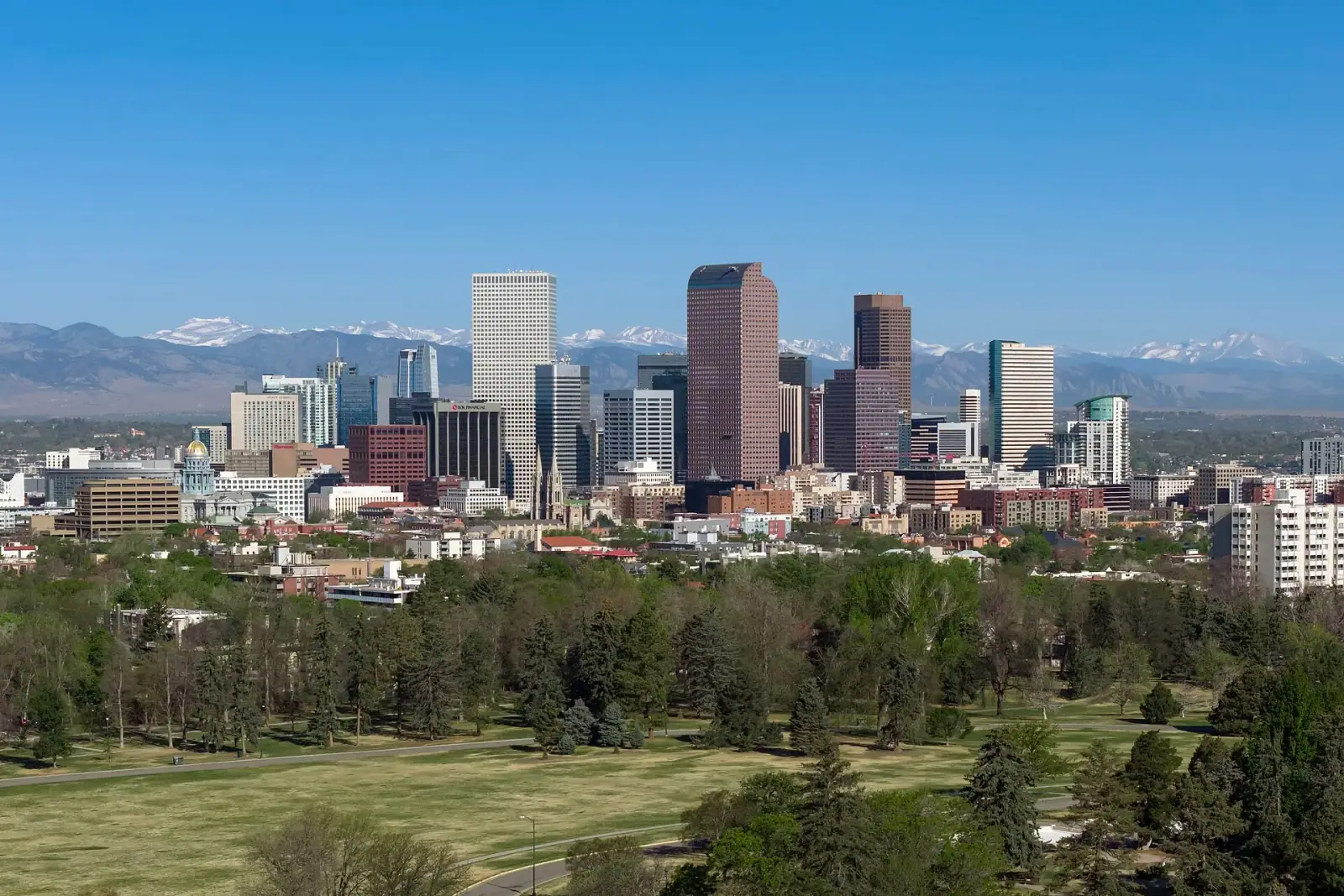
Denver skyline with Rocky Mountains in background
Photo: Quintin Soloviev / Wikimedia Commons (CC BY 4.0)
USA flag

Denver

USA

A mile-high city where mountains meet craft beer culture.

$4.200
Monthly Budget
--
Current Weather
Continental
Climate Type
80 Mbps
Avg. WiFi Speed
7/10
Safety Score
5,000+
Active Nomads
--
Time Difference
Scroll
0
Nomad Score

Setting Up as a Nomad in Denver

A mile-high city where mountains meet craft beer culture. A continental climate and strong English make Denver an easy base, and at about $4,200 a month it fits a range of budgets. Keep cost in mind.

Compare Denver vs Austin →

Category Breakdown

How Denver scores across all 13 factors

Weather in Denver

Monthly averages from 2019-2023 (Open-Meteo), and the best time to visit

-9°
Jan
-11°
Feb
10°
-6°
Mar
16°
Apr
21°
May
28°
12°
Jun
32°
16°
Jul
31°
16°
Aug
28°
11°
Sep
18°
Oct
12°
-3°
Nov
-6°
Dec
Daily high & low (°C)Rainfall (mm/month)Best months to visit

The best time to visit Denver for comfortable weather is Jul, Aug, Sep. The warmest month is Jul (around 32°C by day), and the wettest is May (about 88mm of rain).

Chasing good weather? See other cities that are warm in Jul, or plan a multi-city route around the seasons. Staying a while in Denver? Check visa options, your time-zone overlap and how far your budget stretches, or find it on the world map.

Historical monthly averages, not a forecast. Source: Open-Meteo.

Best Neighborhoods in Denver

Where to base yourself for the perfect nomad experience

RiNo (River North Art District)

$$$
Artistic & Industrial

Denver's street art creative hub

RiNo is Denver's coolest neighborhood - warehouse murals, craft breweries, and creative energy. It's where Denver's art scene and craft beer culture collide.

Best for: Artists, beer lovers, and those seeking creative Denver
✓ Pros
  • Amazing street art
  • Craft breweries
  • Creative scene
  • Great restaurants
✗ Cons
  • Gentrifying fast
  • Industrial areas
  • Parking issues

LoDo (Lower Downtown)

$$$
Historic & Entertainment

Denver's historic entertainment heart

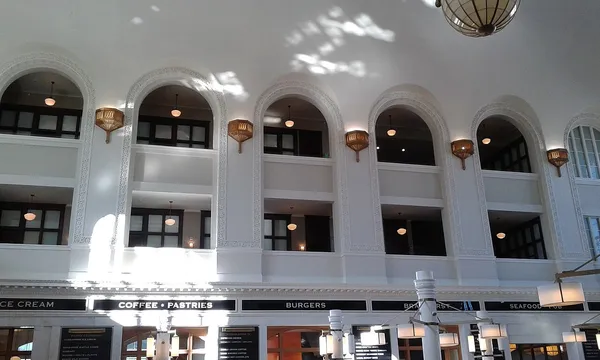
LoDo is Denver's original downtown - Victorian buildings, Union Station, and sports venues. It's the city's entertainment and nightlife center.

Best for: Sports fans, nightlife seekers, and those seeking central Denver
✓ Pros
  • Union Station
  • Sports venues
  • Nightlife
  • Historic buildings
✗ Cons
  • Expensive
  • Crowded game days
  • Tourist-heavy

Capitol Hill

$$
Diverse & Urban

Denver's diverse urban village

Capitol Hill is Denver's most diverse neighborhood - LGBTQ+ friendly, historic mansions, and vibrant nightlife. It's eclectic, walkable, and unapologetically urban.

Best for: LGBTQ+ travelers, young professionals, and those seeking urban Denver
✓ Pros
  • Diverse community
  • Walkable
  • LGBTQ+ friendly
  • Good nightlife
✗ Cons
  • Parking nightmare
  • Some safety concerns
  • Noisy areas

Cherry Creek

$$$$
Upscale & Shopping

Denver's upscale shopping destination

Cherry Creek is Denver's luxury district - high-end shopping, excellent restaurants, and manicured streets. It's where Denver's money lives and shops.

Best for: Shoppers, luxury travelers, and those seeking polished Denver
✓ Pros
  • Great shopping
  • Excellent restaurants
  • Safe
  • Beautiful streets
✗ Cons
  • Expensive
  • Less character
  • Suburban feel

Highlands (LoHi/Highland)

$$$
Trendy & Family

Denver's trendy neighborhood with views

The Highlands is Denver's most desirable neighborhood - mountain views, excellent restaurants, and family-friendly streets. It's where Denver's young families settle.

Best for: Families, foodies, and those seeking Denver's best living
✓ Pros
  • Mountain views
  • Great restaurants
  • Family-friendly
  • Walkable
✗ Cons
  • Very expensive
  • Crowded restaurants
  • Parking issues

Cost of Living in Denver

Denver sits in the middle of the US cost spectrum: pricier than the Midwest, cheaper than the coasts. A wave of new apartment construction has softened rents recently, so you have more room to negotiate than you did a couple of years ago. Here is a realistic monthly picture for one person in USD.

  • Rent, central one-bedroom: roughly $1,600-1,900 in walkable areas near downtown, LoDo, or RiNo.
  • Rent, cheaper area: around $1,100-1,400 for a one-bedroom in neighborhoods like Capitol Hill or further out, and less if you share.
  • Groceries: about $400-550 if you cook most meals.
  • Eating out: a mid-range restaurant main runs around $16, and a full night out with drinks lands closer to $40-50 per person.
  • Coworking hot desk: day passes average around $30-40, or roughly $75-200 per month for a membership depending on how often you go.
  • Transport: budget $100-150 a month, more if you run a car with parking and insurance.

Add utilities, a phone plan, and a health buffer, and a comfortable solo budget usually falls between $2,600 and $4,000 a month. Live with roommates, cook at home, and skip the car, and you can push toward the lower end. Rent in a central high-rise and eat out often, and you will clear the top.

Where to Work

Denver has a solid coworking scene spread across downtown and the RiNo and LoDo districts. Named options include Creative Density (hot desking from around $75 per month part-time), Alchemy Creative Workspace (day passes near $25), Shift Workspaces, Serendipity Labs in LoDo, and WeWork at Tabor Center with day passes around $39. Several spaces offer a free trial day, so you can test a few before committing.

Cafe-work culture is genuinely strong here, especially in RiNo, the Highlands, and Capitol Hill, where independent roasters are used to laptops and long stays. WiFi in coworking spaces and established cafes is fast and reliable. As always, do not count on video-call quality in a busy cafe at peak hours, and keep a phone hotspot as backup for anything important.

Getting Around

Denver is served by RTD (the Regional Transportation District), which runs light rail, commuter rail, and an extensive bus network. The system works well along its main corridors and around downtown, but coverage thins out in the suburbs, so many locals still rely on a car for daily life. If you base yourself centrally and stick to walkable neighborhoods, you can manage without one.

Getting to and from Denver International Airport (DEN) is easy: the RTD A Line commuter train links the airport to Union Station downtown in about 37 minutes, running from early morning to past midnight, with trains roughly every 15 minutes during the day. Confirm the current fare on the RTD site, as the airport zone costs more than a standard ride. A car is most useful if you plan frequent mountain trips, since the ski towns and trailheads west of the city are far easier to reach by road.

Visas and Staying Long-Term

If you hold a passport from a Visa Waiver Program country (most of Western Europe, the UK, Japan, South Korea, Australia, and others), you can usually enter the United States for tourism or business for up to 90 days with an approved ESTA, no visa required. Apply online before you fly, ideally well ahead of departure. Note that the ESTA fee increased in late 2025, so check the current amount when you apply.

The 90-day Visa Waiver stay cannot be extended, and it is not designed for working locally for US clients. For longer stays or any work arrangement you will need an appropriate visa. US citizens and permanent residents, of course, can stay indefinitely. Always confirm your exact situation with official US sources (travel.state.gov and the CBP ESTA site), as rules change.

Best Time to Visit

Denver is one of the sunniest cities in the country, with more than 300 days of sunshine a year and four distinct seasons. Winters are cold and bring heavy but short-lived snowstorms, often followed by clear, mild days that melt the snow fast, so the ground is frequently bare even in January. Summers are warm, dry, and packed with festivals and live music.

For remote work, the sweet spots are the shoulder seasons: April to May and September to October bring comfortable temperatures, thinner crowds, and better value than peak summer. One thing to plan for regardless of season is the altitude. At 5,280 feet, the air is thin and dry, and it is normal to feel short of breath, tire quickly, or get headaches for the first few days. Drink far more water than usual, go easy on alcohol early on, and give yourself a few days before any hard hikes.

Pros and Cons

The honest tradeoffs:

  • Pro: Exceptional access to the outdoors, with the Rockies, skiing, and world-class trails within easy reach.
  • Pro: Over 300 sunny days a year and a low-humidity, energetic climate.
  • Pro: Strong coworking and cafe scene with fast, reliable WiFi.
  • Pro: Easy airport connection by train and a growing, walkable city core.
  • Con: Altitude takes real adjustment and can leave you drained for the first week.
  • Con: Outside the central corridors, life leans heavily on owning a car.
  • Con: Costs, especially rent, have risen and still run above the national average.
  • Con: Winters are genuinely cold, with snow and icy stretches to work around.

Who Denver Is Best For

Denver suits remote workers who want an active, outdoorsy base and will actually use the mountains on weekends. If skiing, hiking, biking, and sunshine matter more to you than nightlife density, you will feel at home. It also works well for anyone who wants a clean, functional US city with a real coworking scene and an easy airport.

Skip Denver if you want a fully car-free lifestyle across the whole metro, if cold snowy winters are a dealbreaker, or if you are sensitive to altitude and would rather not spend your first week adjusting. Budget-focused nomads chasing the lowest possible costs will also stretch their money further elsewhere.

Where to Stay in Denver

Top neighborhoods and accommodations for digital nomads

Sentral Union Station

Serviced apartments
Union Station

Furnished suites with full kitchens and coworking lounges steps from light rail, ideal for medium-term stays.

Check availability →

Catbird Hotel

Aparthotel
RiNo

Extended-stay studios with full kitchens and extended-stay discounts in Denver's creative arts district.

Check availability →

Ember Hostel

Hostel
Capitol Hill

Award-winning hostel in a historic Capitol Hill mansion with laptop-friendly common areas, a cafe, and reliable WiFi.

Check availability →

Browse apartments, aparthotels and hotels across Denver. Compare prices and book a base that suits a remote-work stay.

See available stays in Denver →

Affiliate link. See our disclosure.

Best Coworking Spaces

Where nomads get work done in Denver

Venture X Denver LoDo

Premium coworking
Lower Downtown

24,000 sq ft facility inside the Dairy Block with floor-to-ceiling windows and sweeping LoDo views near Union Station.

Visit website →

Enterprise Coworking

Coworking space
RiNo

68,000 sq ft RiNo hub with a rooftop patio, onsite cafe, fiber wifi, and a 100-person event space.

Visit website →

Thrive Workplace

Coworking space
Ballpark

Locally owned community coworking with flexible day passes and memberships, steps from Coors Field.

Visit website →

Shift Workspaces

Wellness-focused coworking
Golden Triangle

Boutique coworking with an on-site fitness center, meditation room, and curated community events in a walkable arts district.

Visit website →

Crema Coffee House

Artisan cafe
RiNo

Hip artisanal coffeehouse on Larimer St with lever espresso, ample seating, and a welcoming vibe for remote workers.

Visit website →
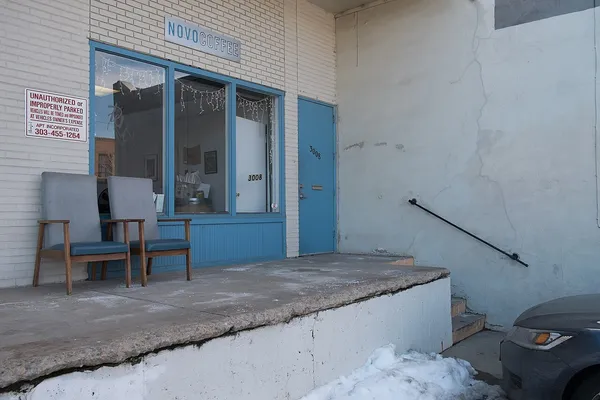
Exterior of Novo Coffee in Denver with signage visible above the blue-trimmed storefront

Photo: Paul Sableman (CC BY 2.0)

Novo Coffee

Specialty coffee
Downtown

Denver-rooted specialty coffee brand with multiple locations offering ethically sourced pour-overs and a laptop-friendly layout.

Visit website →

Where to Eat & Drink

Best food and drink spots in Denver

Rioja

Mediterranean
LoDo

James Beard Award-winning chef Jennifer Jasinski's flagship: seasonal Mediterranean small plates and handmade pastas on Larimer Street.

Visit website →

Hop Alley

Modern Chinese
RiNo

Michelin Bib Gourmand modern Chinese from chef Tommy Lee, known for wok fire, bold flavors, and award-winning cocktails.

Visit website →

Xiquita Restaurante y Bar

Mexican fine dining
Uptown

2025 Westword Best New Restaurant: nixtamalized masa, indigenous Mexican ingredients, and creative cocktails in a sleek Uptown setting.

Visit website →

Barolo Grill

Northern Italian
Cherry Creek

Beloved fine-dining institution open since 1992, serving Northern Italian classics with warm hospitality and an exceptional wine list.

Visit website →

Bierstadt Lagerhaus

Craft brewery
RiNo

Lager-only brewpub in a cavernous RiNo warehouse, famous for the slow-pour Pils, German food, and oversized bar games.

Visit website →

What Do Nomads Say?

Vote on how accurate these scores are based on your experience

Cities with a Similar Vibe to Denver

Different places that score alike across our 13 categories, if you like Denver, these tend to feel similar.

In the rankings

Where Denver ranks

Denver features in 1 of our 32 city rankings.

  1. 11Best cities in North America & the Caribbean

Frequently Asked Questions About Denver

How much does it cost to live in Denver as a digital nomad?

A comfortable nomad budget in Denver is around $4,200 a month: a furnished rental, food, coworking, and getting around. Live a little outside the center or eat local to spend less.

Is the internet fast enough for remote work in Denver?

With a WiFi score of 8/10, connectivity in Denver is excellent for calls and focused work. A prepaid local SIM keeps you online when you are away from the apartment.

Is Denver safe for digital nomads?

Denver scores 7 out of 10 for safety in our ratings, which is good for solo travel and long stays. Use normal precautions at night and with valuables, and choose well-reviewed areas.

Is Denver a good city for digital nomads overall?

For nomads, Denver is worth a look if you value English and nature. Costs sit near $4,200 a month and the community keeps growing, though, like anywhere, it will not match every checklist.