Cost of Living in Wollongong
Where this figure comes from. No cost survey covers Wollongong, so the $2,000 a month above is our own estimate rather than a measurement. On 416 of our 999 city guides the figure is built from a published Numbeo basket, a one-bedroom rent in the centre plus one person's monthly costs without rent, converted to USD; this city is not one of them. How we source everything.
Budget around $2,000 a month as a solo remote worker in Wollongong, which is Australian prices rather than anything unusual about the city. A one-bedroom apartment near the beach or in the centre runs roughly $1,000 to $1,400, meaningfully below Sydney for a comparable coastal life. Groceries and eating out are expensive by European or Asian measure. The university keeps some prices honest around the campus. This figure is our own estimate rather than a reconciliation against measured data, so treat it as a working budget. Rent in Australia is advertised and paid weekly rather than monthly, so a listing at $300 is about $1,300 once the arithmetic is done, and the bond of four weeks goes to a state authority rather than to the landlord. Electricity bills run higher than the mild climate implies, because houses on this coast are built to shed heat and cope badly with the cold snaps the escarpment sends down. Private health cover is worth pricing early for anyone without reciprocal Medicare access, since the reciprocal agreements cover some nationalities and not others. Petrol matters more here than the map suggests, given how strung out the city is.
Where to Work in Wollongong
Wollongong has a genuine coworking scene for its size, helped by the University of Wollongong and a growing technology and engineering sector that grew partly out of the steelworks. Desks run from roughly $250 a month. The NBN reaches most of the inner suburbs with reliable speeds, and mobile coverage across the city is comprehensive. The consistent Australian complaint applies: home internet is expensive relative to what it delivers and plans vary enormously by address, so check what a specific lease includes. Sydney is ninety minutes by train if a day in a larger professional network is worth the trip, which is a genuine option here rather than a theoretical one. The university runs an innovation campus at North Wollongong that houses research groups and companies together, which is where much of the local technology work sits rather than in the centre. Its research strength runs to materials and superconductors, an inheritance from a century of metallurgy on this coast. For a foreign remote worker the practical point is narrowness: local contacts cluster around steel, engineering and the university rather than across the mixed economy a capital offers.
Getting Around Wollongong
Wollongong is strung along a narrow coastal strip between the escarpment and the sea, which makes it long rather than wide and reasonably walkable within each part. A free shuttle bus circles the centre and the university. The train to Sydney takes about ninety minutes along a scenic coastal line and is the reason many people live here rather than in the city. The Grand Pacific Drive and the Sea Cliff Bridge run south along the coast. Cycling on the coastal shared path is genuinely practical. Parking near the beaches fills early on any warm weekend, and the day-tripper traffic from Sydney is a real factor in how the city feels from Friday evening. Bald Hill above Stanwell Park at the northern end of the drive is one of the best known hang gliding and paragliding launches in the country, and on a good day the ridge is full of them. The coastal path is being extended in stages toward a continuous run from Thirroul to Port Kembla. Wollongong hosted the road world championships in September 2022, which left the region with well surfaced climbs and drivers used to cyclists on them.
Sorting transport? Book an airport transfer, or compare car rental on Auto Europe and QEEQ.
Visas for Wollongong
Australia has no dedicated digital nomad visa. Most Western nationals get an eVisitor or Electronic Travel Authority allowing three months per entry within a twelve-month period, which does not permit work for an Australian employer and leaves remote work for a foreign one in a grey area the government has not clarified. Working Holiday visas cover under-thirties or under-thirty-fives depending on nationality and allow twelve months with work rights. Longer stays require employer sponsorship or the skilled migration points system, neither of which is undertaken casually. Anyone hoping to complete the regional work requirement for a second-year working holiday extension should check whether Wollongong itself qualifies, since the eligible postcodes have changed. Australia taxes on residence rather than citizenship, and the test turns on where you actually live rather than on a day count alone, so a long stay can create an Australian tax residency that a short visa does not obviously imply. The reciprocal health care agreements are the other thing to establish before arrival: they cover the United Kingdom, Ireland, New Zealand, Sweden, Norway, Finland, Belgium, the Netherlands, Slovenia, Malta and Italy, and nobody else.
Best Time to Visit Wollongong
October to April is the comfortable half of the year, with warm days, swimmable ocean and long light evenings. Summer from December to February runs into the high twenties with humidity that the sea breeze usually handles, and it is when the beaches fill with day visitors from Sydney. March and April are the best combination of warm water and thinner crowds. Winter from June to August is mild by northern standards, with daytime highs around seventeen, and the surf is at its most consistent through those months. The escarpment also creates its own weather, so the hills behind the city can be in cloud while the beach is in full sun. Humpbacks pass the Illawarra coast twice a year, north from about May and south again with calves from September into November, and the headlands here put you close to the line they follow. The Illawarra flame trees that give the region its reputation flower scarlet in November and December, usually after dropping their leaves first. February and March hold the year's warmest sea, which lags the air temperature by about two months.
Pros and Cons of Wollongong
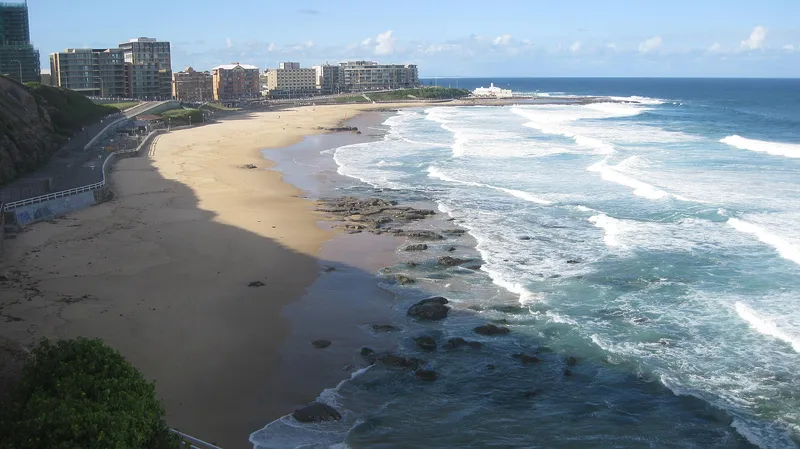
Wollongong puts a sandstone escarpment on one side and seventeen beaches on the other, with Sydney ninety minutes up a coastal railway. It has a real university, a growing technology sector and rents well below the capital. Australian prices apply here in full, the visa position is the genuine obstacle for a non-Australian rather than anything about the city itself, there are very few foreigners about, and the city is long and thin enough that a car helps more than the walkability suggests. The steelworks at Port Kembla still operates and dominates the southern end of the city, which is part of the character rather than a blemish but is worth knowing before choosing a suburb. The Nan Tien Temple at Berkeley is the largest Buddhist temple in the southern hemisphere, built by the Fo Guang Shan order and open to anyone who walks in, which is not what most people expect to find behind a steel town. The other thing under the surface is Mount Kembla, where a mine explosion in 1902 killed ninety six men and remains the worst peacetime industrial accident in Australian history.
Who Wollongong Is For
Sydney is what people are leaving, the coast is what they are after, and the right to be in Australia is what makes it possible. Surfers, climbers working the escarpment and anybody connected to the university make up most of who is actually here. Without a visa pathway nothing else about this place matters, Australian prices will defeat a budget built in a cheaper country, and whoever is here from abroad came to study and will leave when the degree does. Most people here have made the same arithmetic and reached the same answer: Sydney's job market within a train ride, at a fraction of what living inside it costs. That trade is the town's whole proposition. It suits a paraglider as squarely as it suits a surfer, since the escarpment generates ridge lift along most of its length and the launches are twenty minutes from the centre. Anyone whose weekends default to the water rather than to an occasional trip will get their money's worth. It fits badly if anonymity matters, since the same faces recur quickly across the surf breaks, the university and the cafes.
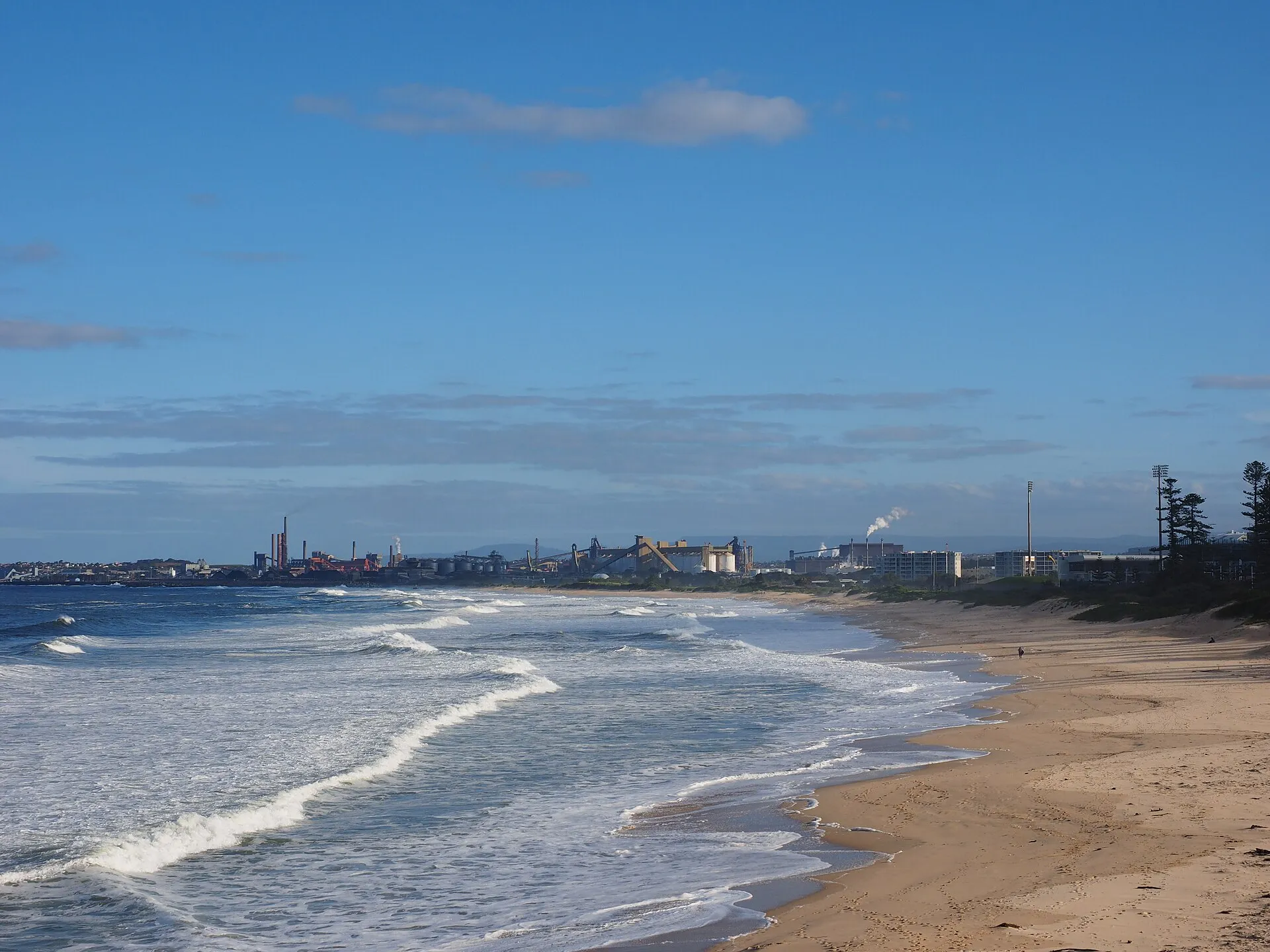 Photo: Nick-D / Wikimedia Commons (CC BY-SA 4.0)