Cost of Living in Salzburg
Real market data
Source: Numbeo · August 2026
$2,540/moSolo nomad1-bed centre + living costs
$3,400/moCoupleshared 1-bed + costs
$2,230/moLean / localcheaper area + costs
- 1-bed rent, city centre$1,470€1,275
- 1-bed rent, outside centre$1,150€1,000
- Monthly costs excl. rent (1 person)$1,070€933
- Meal, inexpensive restaurant$18€16
- Monthly transit pass$83€72
- Buy price, per m² (centre)$9,210€8,000
Prices are from Numbeo (August 2026), converted to USD at $1 = €0.87 (01 Aug 2026). The monthly living-costs figure is our transparent one-person basket, groceries, a few meals out, utilities, phone, internet, transport and essentials, priced from those figures. Solo adds central rent; couple and lean are estimates from the same numbers.
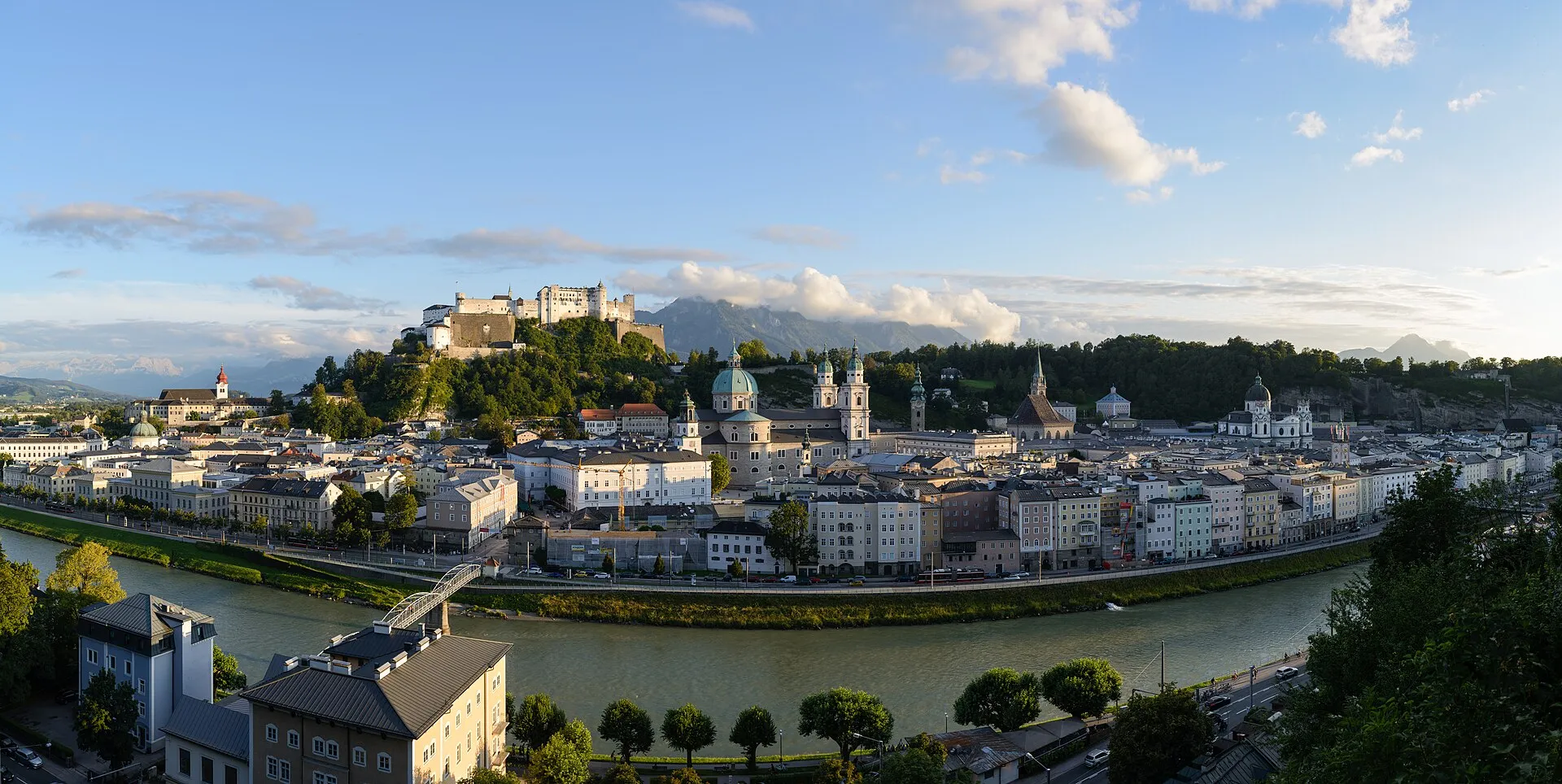
Salzburg is small, scenic, and expensive. It is consistently one of Austria's priciest cities, so budget more here than you would for a mid-size European base. The figures below are rough monthly costs for one person, with US dollar conversions at roughly 1 EUR to 1.10 USD.
- Rent, central one-bedroom: around $1,210 per month for a small apartment in or near the Altstadt (old town).
- Rent, cheaper areas: around $980 to $1,040 in outer districts like Lehen, Itzling, or Maxglan, or in nearby villages on the S-Bahn.
- Groceries: roughly $290 to $405 if you shop at Hofer (Aldi), Lidl, or Billa rather than the tourist-facing shops in the center.
- Eating out: an inexpensive meal runs about $16 to $18, and a three-course dinner for two at a mid-range restaurant is around $81. Lunch specials are the smart move.
- Coworking hot-desk: day passes are roughly $17 to $23, and monthly memberships land around $185 to $230.
- Local transport: a single ride is $3 and a monthly pass is roughly $75.
Realistically, a single remote worker should plan for about $2,190 to $2,990 per month all in, depending on rent and how often you eat out. Short-term and furnished rentals push the top of that range higher, especially in summer and around festival season.
Where to Work
The coworking scene is small but functional. COWORKINGSALZBURG is a large flexible office aimed at solo workers, freelancers, and startups. space-time.at is a compact, modern space in the city with 24/7 access and meeting-room options. For chain reliability, Spaces and Regus both operate in the Salzburg area and offer hot-desking, with day and monthly access plans that also work across their global networks.
Cafe-work culture exists but is low-key. Austrian coffee houses are traditionally places to linger, so you can nurse a coffee and work for a while, though you will not find the plug-everywhere, laptop-friendly scene of a bigger nomad hub. Ask before camping out for hours, and avoid the busiest tourist cafes near Getreidegasse.
WiFi is generally solid. Austria has good fixed broadband, apartments and coworking spaces typically have reliable connections, and mobile data on the local networks is dependable if you need a hotspot as backup.
Getting Around
Salzburg is very walkable. The Altstadt is compact and largely pedestrianized, and most of what a visitor wants sits within a comfortable walk along the Salzach river. For anything farther out, the city runs an extensive electric trolleybus (Obus) and bus network. A single ticket is around $3, a 24-hour ticket is about $6, and if you stay long term the KlimaTicket Salzburg covers the whole federal state for roughly $345 to $460 per year.
Salzburg Airport (SZG) is close to the center. Bus 2 connects it with the main train station (Hauptbahnhof) and bus 10 runs into the city, both taking roughly 15 to 25 minutes. The airport is small, so many travelers instead fly into Munich and take the train: DB and OBB run frequent connections, and Salzburg to Munich is about 1 hour 30 minutes by rail. That makes Munich a practical gateway for cheaper or wider flight options. Confirm current schedules with OBB before you travel.
Sorting transport? Book an airport transfer, or compare car rental on Auto Europe and QEEQ.
Visas and Staying Long-Term
Austria does not have a dedicated digital nomad visa. Your options depend on your passport.
- EU, EEA, and Swiss citizens: you can live and work freely, and simply register your address locally if you stay beyond three months.
- Visa-free visitors (US, UK, Canada, Australia, and others): Austria is in the Schengen Area, so you can stay up to 90 days in any 180-day period. A short-stay entry is for tourism, not paid work, so remote work on this status sits in a legal gray zone.
- Longer stays: the main formal route is the Red-White-Red Card for self-employed persons, which requires showing your work brings economic value and that you have sufficient income. It is paperwork-heavy and not a quick fix. There is no simple tourist-visa extension inside Schengen.
Best Time to Visit
Winters are cold and snowy, with short days and a genuine off-season quiet outside the Christmas market weeks. Summers are mild and green, which is pleasant, but July and August also bring the Salzburg Festival and the heaviest tourist crowds, when the old town gets packed and short-term rents spike.
For remote work, the best windows are the shoulder seasons: late April to June and September to mid-October. You get comfortable weather, longer opening hours than deep winter, and noticeably thinner crowds than peak summer. If you want snow and mountain access without festival prices, a winter stay works too, as long as you do not mind the dark afternoons.
Pros and Cons
The honest trade-offs:
- Pro: genuinely beautiful, safe, and clean, with a walkable baroque old town.
- Pro: excellent Alpine access for hiking, lakes, and skiing right on the doorstep.
- Pro: reliable infrastructure, good WiFi, and easy rail links to Munich, Vienna, and beyond.
- Con: expensive, both for rent and daily spending, relative to its size.
- Con: small, with a limited nomad and coworking scene and a quiet social calendar for remote workers.
- Con: heavy overtourism in the center around Mozart sites and Sound of Music tours, especially in summer.
Who Salzburg Is Best For
Salzburg suits remote workers who value scenery, safety, and calm over nightlife and a big nomad crowd. It is a strong fit if you love the mountains, want quick access to hiking and skiing, and are happy working solo or in a small setting. It also works well as a short, high-quality base for a few weeks rather than a long stint.
Skip it if you are on a tight budget, want an active coworking community and easy networking, or need a lively international scene. In those cases, Vienna nearby, or a larger, cheaper European hub, will serve you better, and you can still visit Salzburg for a scenic long weekend.