Cost of Living in The Valley
Where this figure comes from. No cost survey covers The Valley, so the $2,600 a month above is our own estimate rather than a measurement. On 416 of our 999 city guides the figure is built from a published Numbeo basket, a one-bedroom rent in the centre plus one person's monthly costs without rent, converted to USD; this city is not one of them. How we source everything.
Budget around $2,600 a month as a solo remote worker in The Valley, which is expensive and reflects an island of fifteen thousand people that imports everything and has positioned itself at the top of the Caribbean market. A one-bedroom place runs roughly $1,100 to $1,700. Groceries are heavily marked up and many residents shop in Sint Maarten, twenty minutes away by ferry, where prices are lower. The East Caribbean dollar is pegged at 2.7 to the dollar and both circulate. This is our own estimate rather than measured data. Anguilla levies no income tax, no capital gains tax and no inheritance tax, which is a genuine part of the arithmetic for anyone spending a year here, though it does nothing about an obligation at home. Electricity is very expensive, generated from imported fuel, and air conditioning is what decides the size of the bill. The rental market is built around holiday villas, so a long lease is negotiated rather than listed and works out dramatically cheaper per night than the weekly rate. Restaurants run from beach shacks at modest prices to some of the most expensive tables in the Caribbean, with little in between.
Where to Work in The Valley
Anguilla's connectivity is good for its size: fibre reaches most of the island at workable speeds and mobile data is comprehensive, both of which the government invested in specifically to support its remote work programme. There is a small amount of coworking. Power is reasonably reliable and expensive. English is the only language required. The island runs four hours behind central European time and one ahead of New York in winter, giving a workable overlap in both directions for anyone splitting time between the two. Anyone needing anything the island does not have will find Sint Maarten twenty minutes away by ferry, with a far larger airport and considerably more choice. The infrastructure caveat is seasonal rather than daily: a serious storm takes power and connectivity down for longer than a mainland outage would last, because the repairs wait on parts arriving by boat. Anyone whose work cannot pause should have a plan for that rather than an assumption. Day to day the island is quiet enough that a working routine is easy to hold, which is the thing people who come for a year most often say they valued and had not expected.
Getting Around The Valley
Anguilla is flat, sixteen kilometres long and has no traffic to speak of, which makes it one of the easiest islands anywhere to move around. A car is still needed since the settlements are spread out and there is no public transport worth the name; driving is on the left and a temporary local licence is required. The Valley is the administrative centre rather than a town in any real sense. Ferries and light aircraft run to Sint Maarten in twenty minutes, which is the practical connection to the wider world. The long-standing public ferry runs from Blowing Point to Marigot on the French side, while a private boat goes direct to the Sint Maarten airport, which costs more and is far less stressful with luggage and a flight to catch. Anguilla's own airport takes regional aircraft rather than long-haul. On the roads, roaming goats and unlit stretches at night are the two hazards worth naming, and cycling is pleasant on the flat but demands care in the heat and the near-total absence of shade.
Sorting transport? Book an airport transfer, or compare car rental on Auto Europe and QEEQ.
Visas for The Valley
Anguilla introduced a remote work programme in 2020 that grants stays of up to twelve months to people working for employers outside the island, with a fee of around $2,000 for an individual and more for a family, plus proof of health insurance and a clean record. It was one of the earliest such schemes anywhere and remains straightforward. Short visits are visa-free for most Western nationalities for up to three months. British citizens receive the same, since Anguilla is a British Overseas Territory. Anyone applying should note that the fee is not refundable if the application is declined, and that proof of income and insurance are both checked properly. The programme is applied for online and decisions come quickly by the standards of these schemes, which is part of why it worked. What it does not do is lead anywhere: there is no progression from the remote work permit to residence, so a year here is a year rather than a first step. Being a British Overseas Territory also does not make Anguilla part of the United Kingdom for immigration purposes, so a British passport brings easy entry but no automatic right to settle.
Best Time to Visit The Valley
December to April is the dry season, with daytime temperatures around twenty-eight, low humidity and the calmest sea, and it is when the island is busiest and most expensive. May to November is hotter and wetter and the Atlantic hurricane season runs through it; Anguilla is exposed and Hurricane Irma in 2017 caused severe damage across the island. Many restaurants and hotels close entirely between September and October, which is worth checking before booking a long stay in those months. Anguilla's boat racing season, with traditional wooden sloops raced by whole villages, runs through the summer and is the island's genuine national sport. The summer calendar peaks with Carnival at the start of August, when the boat racing, the music and the island's whole social year come together, and it is the one time a quiet place is emphatically not quiet. May and early December are the value windows, with dry-season weather at off-season prices. Sargassum seaweed has become a recurring problem on Caribbean windward shores in recent years, though the best-known beaches here face the calmer side and are less affected by it.
Pros and Cons of The Valley
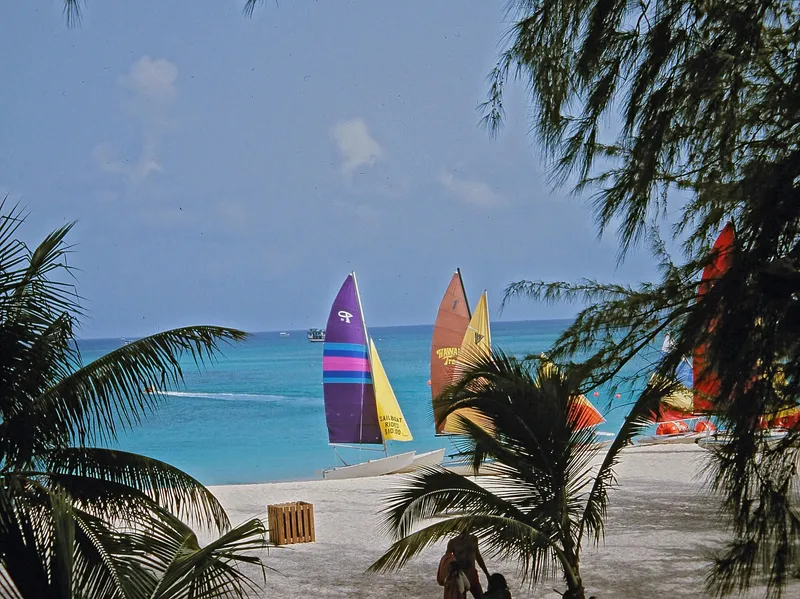
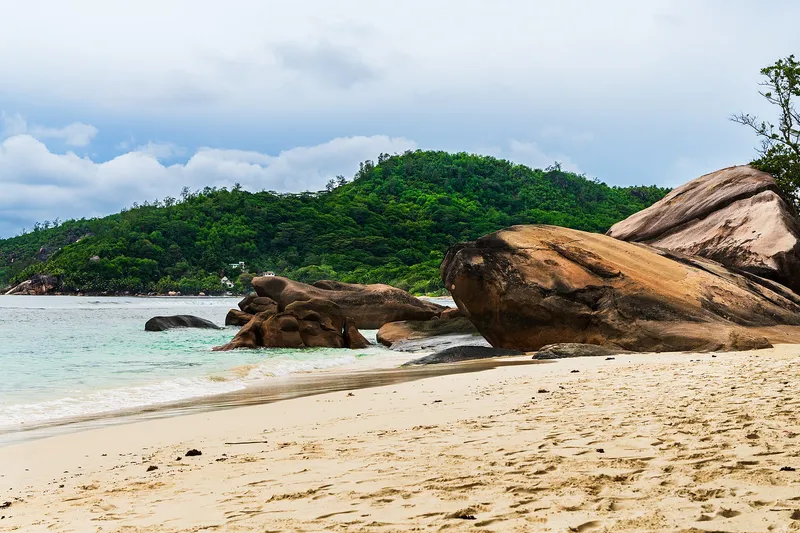
Anguilla has thirty-three beaches on a flat coral island with no rivers to muddy the water, which is why the sand at Shoal Bay and Rendezvous Bay is as white as it is. It has one of the earliest and most generous remote work visas anywhere, very low crime, and a restaurant scene disproportionate to its size, built on the same French Caribbean supply chain that feeds Saint-Martin. It is expensive and extremely quiet, and there is genuinely very little to do here beyond the beaches. The absence of rivers is also why Anguilla has no rainforest and almost no elevation, which is the trade-off that produces the water clarity. The dependence on Sint Maarten runs deeper than shopping. The hospital handles routine care and anything beyond it means a boat or a flight, and the international airport connecting the island to the world belongs to another country twenty minutes away. That works smoothly almost all of the time and not at all when a storm closes the crossing, which is the structural vulnerability of living on a small island beside a larger one.
Who The Valley Is For
Twelve months on an exceptionally beautiful, safe and quiet island, for an income that absorbs the cost and a temperament that takes the silence. The visa is one of the best available anywhere. Nightlife, a community and a city are three things Anguilla has never had, and work that draws its energy from what is happening outside the window will find very little happening. Anguilla is deliberately calm and it does not pretend otherwise, which is either exactly right or exactly wrong. Families looking for somewhere genuinely safe have a strong candidate here, since Anguilla records one of the lowest crime rates anywhere in the Caribbean and sixteen thousand residents keep it that way without much effort. A useful test before applying: this is a place where the week's plan is which beach, and people who find that restorative stay the full year while people who need a project outside their work tend to leave early. Couples and families do better than solo arrivals, simply because the island supplies scenery rather than company. Anyone comparing the remote work schemes should weigh Barbados for a larger island with more going on, against quiet and beaches that are hard to beat anywhere.
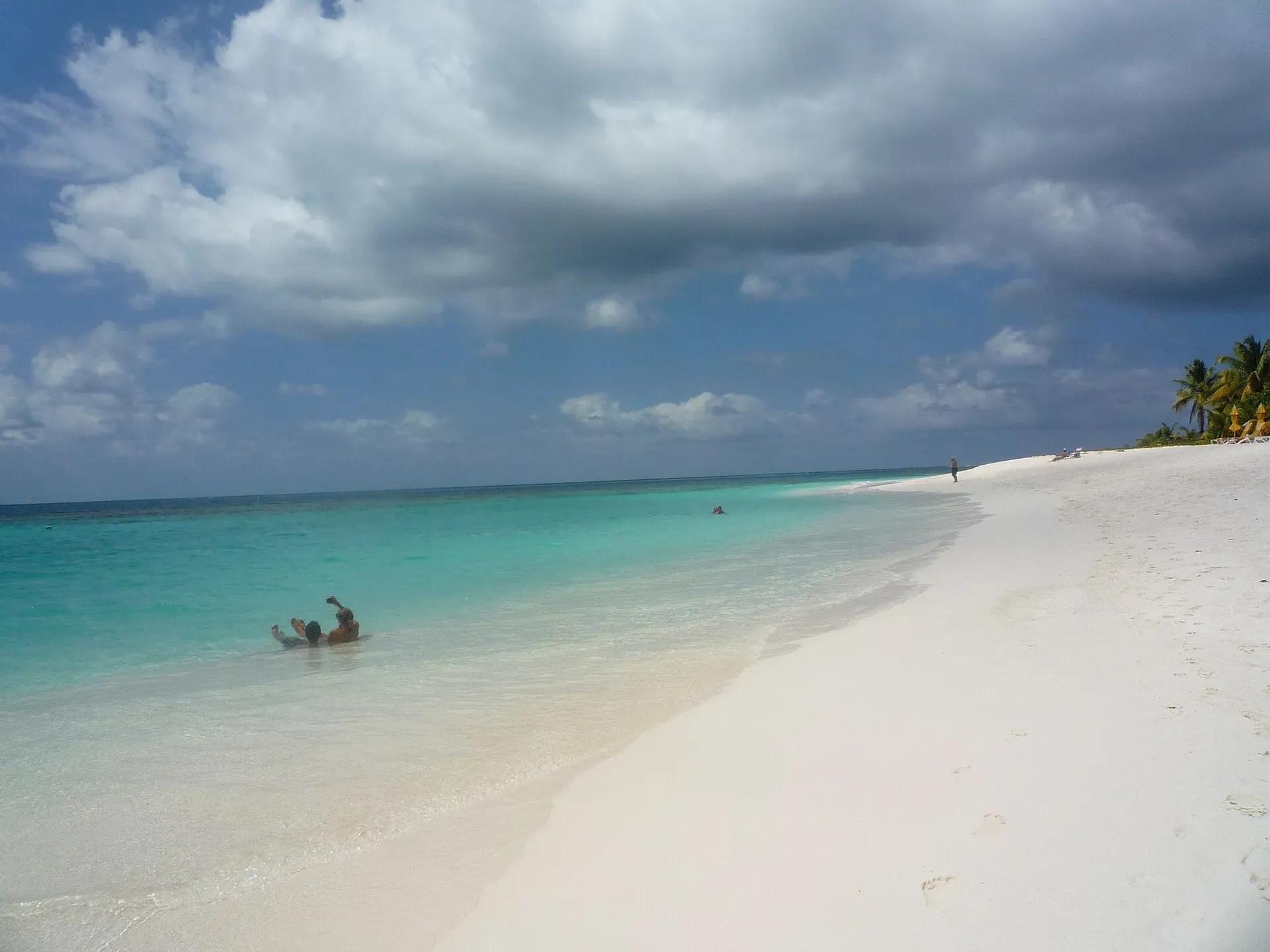 Photo: onj / Wikimedia Commons (CC BY 3.0)