Cost of Living in Providenciales
Where this figure comes from. No cost survey covers Providenciales, so the $3,200 a month above is our own estimate rather than a measurement. On 416 of our 999 city guides the figure is built from a published Numbeo basket, a one-bedroom rent in the centre plus one person's monthly costs without rent, converted to USD; this city is not one of them. How we source everything.
Budget around $3,200 a month as a solo remote worker on Providenciales, which makes Turks and Caicos one of the most expensive places on this site. A one-bedroom place runs roughly $1,600 to $2,400, with anything near Grace Bay at the top of that. Groceries are the standing complaint: everything is imported, there is no local agriculture to speak of, and a supermarket shop costs well over double the American equivalent. There is no income tax and the territory uses the dollar. This is our own estimate rather than a reconciliation against measured data. Water is the cost that never appears in a comparison and should. There are no rivers and no aquifer worth the name, so supply is desalinated or caught from roofs into cisterns, and a villa with a pool consumes a startling amount of both. National Insurance and health surcharge contributions are deducted from local salaries and payable by the self-employed. Villa rentals are quoted weekly for the season and monthly out of it, and the difference between those two ways of pricing the same house is where a long stay finds its margin.
Where to Work in Providenciales
Connectivity is good for a small territory: fibre reaches the developed parts of Providenciales at solid speeds and mobile coverage is comprehensive across the island. Prices are high. There is a small amount of coworking. Power is reasonably reliable and expensive. English is the only language required. The islands run on Eastern time with daylight saving, which keeps Providenciales aligned with New York year-round and makes it a straightforward base for anyone working American hours. There is no formal remote work programme to build a community around, so the foreign population here is resort staff and second-home owners rather than nomads. Anyone hoping to find other remote workers will have to look harder than the marketing suggests. The other economy here is offshore financial services, quiet, long-established and almost invisible beside the resorts, which is why the professional infrastructure, banking, company formation, legal advice, is better than a place this size would otherwise support. For day-to-day work the honest arrangement is a rental with a good line and a mobile bundle behind it, since the coffee-shop-as-office culture barely exists outside the Grace Bay strip.
Getting Around Providenciales
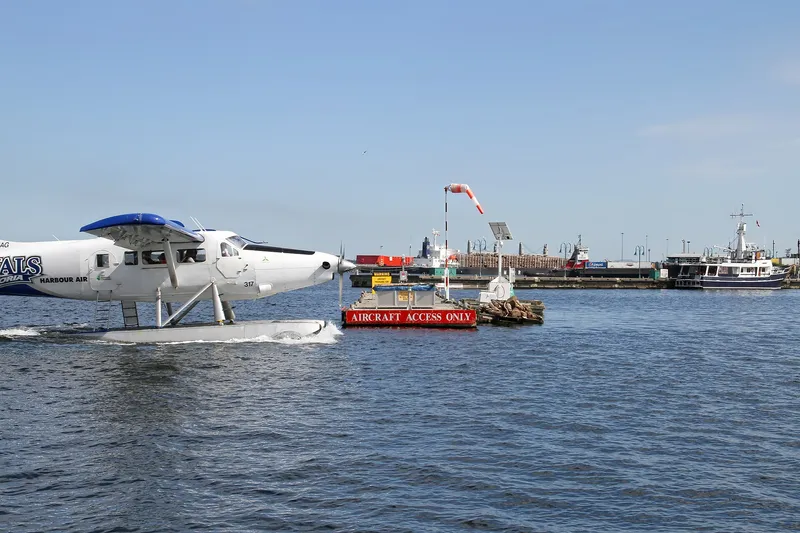
Providenciales is flat and spread out along a few main roads, and it is not walkable in any useful sense: the island assumes a car and most visitors rent one. Taxis exist and are expensive, with fares set by a published tariff rather than a meter. Driving is on the left. Grace Bay's hotel strip is the one stretch where walking works. Ferries run to North and Middle Caicos, and light aircraft reach South Caicos, Salt Cay and Grand Turk, the actual capital, which almost no visitor sees. Grand Turk, the actual seat of government, sits an hour away by air and receives a fraction of the visitors that Providenciales does. Hire cars are the single largest recurring expense after rent for most stays, so a monthly rate negotiated directly with a local firm beats the airport desks substantially. The main road, Leeward Highway, carries everything and its junctions are the island's real hazard, with a road safety record poor enough that residents drive defensively as a matter of course. Cycling is possible on the flat but the road has no shoulder and the traffic moves fast.
Sorting transport? Book an airport transfer, or compare car rental on Auto Europe and QEEQ.
Visas for Providenciales
Turks and Caicos has no dedicated remote work visa. Most Western nationalities enter visa-free for up to ninety days on arrival, and British citizens receive the same, with extensions available from the immigration department for a fee. The territory has discussed a formal digital nomad scheme more than once without introducing one. Anyone wanting to work for a local employer needs a work permit, which is expensive and tied to a sponsor. For a stay of up to three months the ordinary arrival stamp is all that is required. Anyone considering a longer stay should also know that property purchase does not confer residence here, despite how often the two are marketed together. Neither of the things that shape a long stay here is a visa. Belonger status is the local citizenship that governs land ownership, voting and unrestricted work, and it is difficult to acquire. The Permanent Residence Certificate can be bought through property investment above set thresholds, which grants the right to reside but not the right to work, and the two are commonly confused in marketing. Anyone intending to earn here still requires a work permit with a named sponsor, whatever property they hold.
Best Time to Visit Providenciales
December to April is the dry season, with daytime temperatures around twenty-eight, low humidity and the calmest water, and it is when the islands are busiest and most expensive. May to November is hotter and wetter and the Atlantic hurricane season runs through it; Hurricanes Irma and Maria both affected the territory in 2017. September and October are the quietest and cheapest months and carry the highest risk. Water temperature stays swimmable all year, which is the argument for coming outside the season. Humpback whales pass through the Turks Island Passage between January and April, which is the one seasonal wildlife event worth timing a visit around. Sargassum reaches the south and east shores in some years through the warmer months, while Grace Bay, facing north behind its reef, is largely spared, which is one reason the whole island developed on that side. The steady winter trades that keep the humidity down also make Long Bay one of the better kitesurfing flats in the region between November and April. Late April into early June gives dry-season water and conditions without the peak-season rates.
Pros and Cons of Providenciales
Grace Bay is repeatedly named the best beach in the world and the claim is defensible: twelve kilometres of white sand over a reef-protected shelf with water that stays turquoise to the horizon. The barrier reef system here is the third largest on earth, the diving off West Caicos and French Cay is exceptional, and there is no income tax. Living costs here are severe, and there is no remote work visa either, the island is flat and undramatic once you leave the water, and almost everything is built for resort tourism. Land and who may own it is the live political argument here, since Belonger status governs it and the resort economy has bid property well beyond what local wages reach, which is a tension the brochures do not mention and residents discuss constantly. The reef, for all its scale, has suffered from bleaching events and from stony coral tissue loss disease, which has moved through the region since 2019 and which dive operators will discuss frankly if asked. Crime is low by regional standards without being absent, and residents are specific about which parts of the island to avoid late rather than vague about it.
Who Providenciales Is For
A well-paid remote worker after a beach that is hard to better anywhere in the Caribbean, working American hours, and able to absorb prices closer to Bermuda than to the rest of the region. Divers get a great deal here. An ordinary budget does not reach these prices, and a stay beyond ninety days has no mechanism behind it, so the ceiling is fixed regardless of how much anybody likes the place. Set beside the Bahamas, the difference is that the Bahamas has a one-year permit and Turks and Caicos does not. There is one profile this island fits precisely: genuinely location-independent work paired with a salary large enough that accommodation stops being a line worth examining. Against the Cayman Islands, the other high-end offshore option, Turks and Caicos is smaller, quieter, has a far better beach and lacks the certificate that would let you stay a year, which is the whole difference. Sharing a villa is how people who are not on resort salaries actually make it work, and off-season monthly rates make that arithmetic plausible in a way the weekly headline never does.
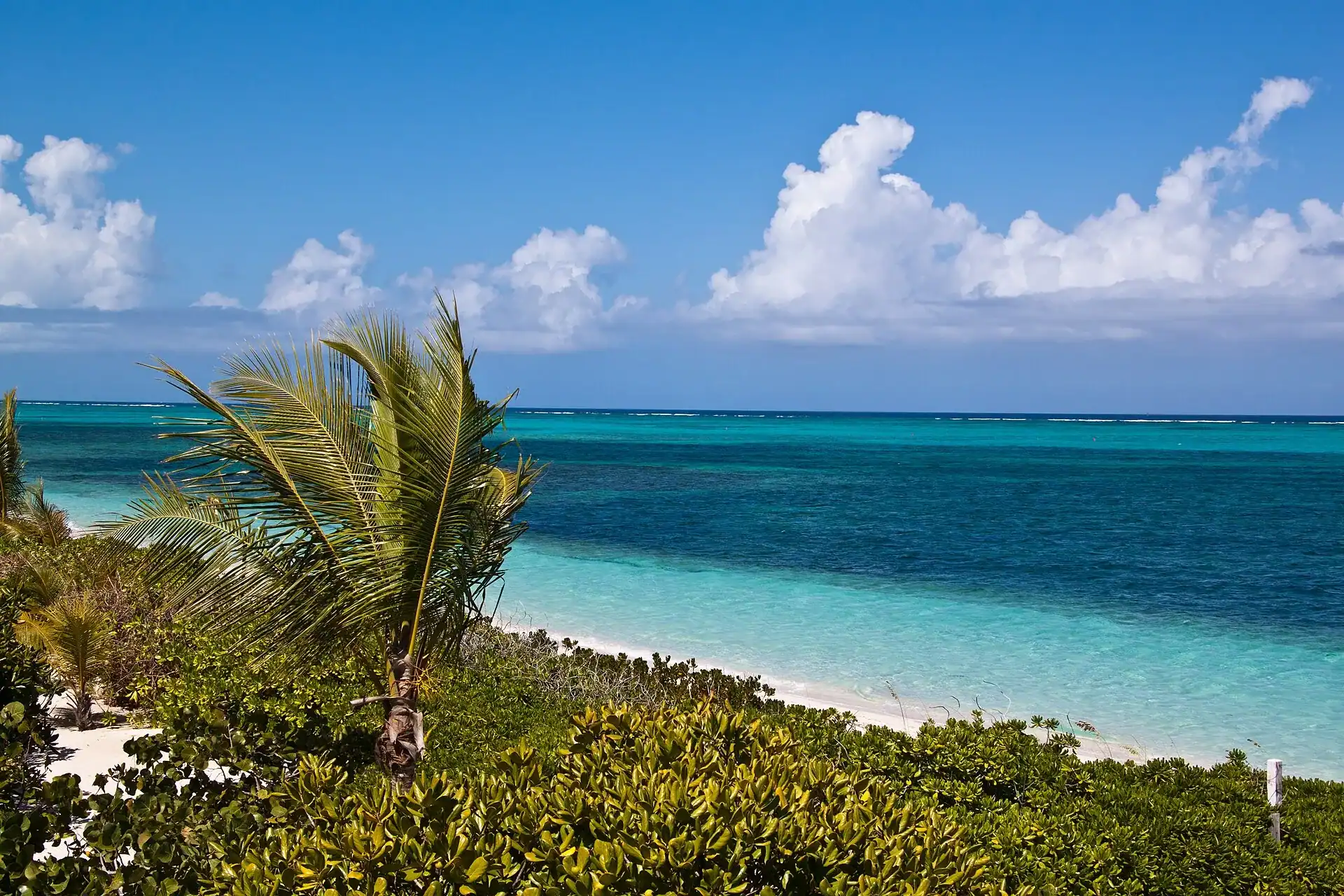 Photo: Tim Sackton / Wikimedia Commons (CC BY-SA 2.0)