Cost of Living in Bruges
Where this figure comes from. No cost survey covers Bruges, so the $2,700 a month above is our own estimate rather than a measurement. On 416 of our 999 city guides the figure is built from a published Numbeo basket, a one-bedroom rent in the centre plus one person's monthly costs without rent, converted to USD; this city is not one of them. How we source everything.
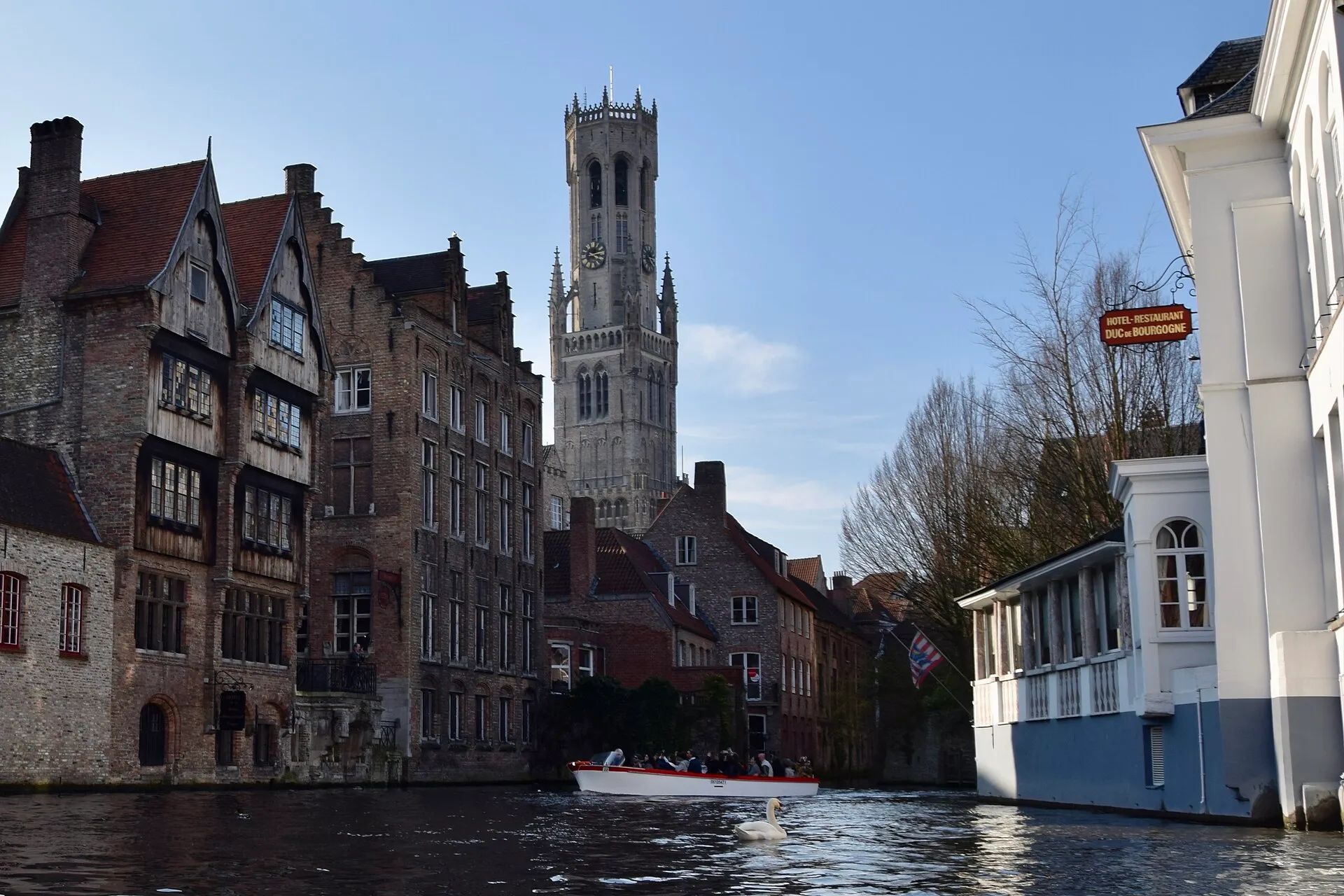
Bruges is one of the pricier cities in Belgium for remote workers, largely because the tourist economy inflates short-term rents and restaurant prices. Monthly costs for a nomad renting furnished accommodation run significantly higher than local wages suggest.
- Rent, city center (1-bedroom): $1,270-1,610/month
- Rent, outer neighborhoods (Sint-Pieters, Sint-Michiels): $920-1,210/month
- Groceries (cooking most meals): $290-405/month
- Eating out (mid-range, one meal/day): $345-520/month
- Coworking hot desk: $120-345/month depending on space
- Local transport (De Lijn bus): $35-58/month or near zero if you cycle
- Total realistic range: $2,300-3,220/month for a frugal-to-comfortable setup
Beer, coffee, and dining out in tourist areas cost noticeably more than in Brussels or Ghent. Budget an extra $17-23 per dinner if you are eating near the Markt or Burg squares. Groceries from Delhaize or Lidl keep food costs manageable if you cook regularly.
Where to Work
Bruges is small and the coworking market reflects that. You have two reliable dedicated options and a handful of cafes that tolerate laptops, though some tourist-heavy spots apply a no-laptop policy during peak lunch hours.
Dedicated Coworking
- Blackboxx (Krakeleweg 39): A 1,650 sqm renovated factory with open desks, meeting rooms, a bar, and free parking. Day passes run around $52; monthly subscriptions start at $32 per day. Open weekdays 9am-6pm with 24/7 card access for members.
- Moonshot Coworking (Kon. Astridlaan 97a): Smaller, industrial-warm feel near the E40. Hot desks from $120/month. Weekdays only, 24/7 card access for members. Rated 5/5 on available reviews.
- Regus Express, Bruges Railway Station (Stationsplein 4): Unstaffed express format at the train station. Good for a quiet focused day pass with unlimited internet access. Useful if you need to hop trains to Brussels for meetings.
Cafe Work Culture
Cafe culture in Bruges is real but not always nomad-friendly. Cafune Espresso Bar (Academiestraat 8) is well regarded for specialty coffee and a calm atmosphere, though seating is limited to around 10 people. That's Toast (Dweersstraat 4) has a courtyard and a relaxed pace suitable for morning work sessions. De Republiek (Sint-Jakobsstraat 36) is a larger grand cafe with enough space to set up without pressure to leave quickly. WiFi is present in most cafes but speeds vary, and cafe connections are slower than those in dedicated coworking. Typical connections in the city are adequate for video calls but not generous.
Getting Around
Bruges is one of the most walkable cities in Europe. The entire historic center takes about 30 minutes to cross on foot, and your walk score is effectively 95 out of 100. For most remote workers, walking covers 90% of daily movement at no cost.
Cycling is the other dominant mode. Bruges has dedicated bike lanes throughout the city and flat terrain, and bike rental is widely available. A secondhand bike costs $92-175 and will serve you well for a longer stay.
De Lijn buses connect the train station to the center (about 5 minutes) and to outer neighborhoods. A single ticket costs around $3-3.50. Monthly passes are available but unnecessary if you cycle.
The nearest major airport is Brussels Airport (BRU), roughly 90 minutes by direct train (tickets from $24). Charleroi Airport (CRL) is a cheaper option for budget carriers, reachable by Flibco shuttle to Bruges station. Ostend-Bruges Airport handles limited flights but is only 15 minutes away by train.
Sorting transport? Book an airport transfer, or compare car rental on Auto Europe and QEEQ.
Visas and Staying Long-Term
Bruges is in Belgium, which is part of the Schengen Area. US, Canadian, UK, and Australian passport holders can enter visa-free and stay up to 90 days within any 180-day period across all Schengen countries combined, not just Belgium.
Belgium does not currently offer a dedicated digital nomad visa. The closest alternative for non-EU freelancers is the Professional Card (Beroepskaart), which requires a minimum annual income of around $29,930 and takes approximately 120 days to process. EU citizens can live and work freely. Once ETIAS starts, and the European Commission has scheduled it for the last quarter of 2026, visa-exempt travelers will need its online authorisation before entering Schengen.
Best Time to Visit
For remote work, spring (late March through May) is the best window. Temperatures climb from cool to mild (10-18C / 50-64F), the city is quieter than summer, and daylight hours are long enough to enjoy the canals after your workday. You get the visual appeal of Bruges without the summer crush.
Summer (June to August) brings the most sunshine, around 7 hours per day in July, and the warmest temperatures (20-23C / 68-73F). However, Bruges becomes extremely crowded with day-trippers and tour groups, which makes cafe work harder and raises prices further.
Autumn (September to November) is increasingly rainy, and winter brings short days (under 2 hours of sun in December). The Christmas market draws crowds in December, but January and February are quiet and cheap, a reasonable off-season option if you tolerate grey skies and cold.
Pros and Cons
Pros
- Exceptionally walkable and bikeable historic center
- Very safe, low crime, clean streets
- Good train connections to Brussels, Ghent, and beyond
- English widely spoken, especially in services and hospitality
- High-quality food and beer culture
- Calm, unhurried pace compared to capital cities
- Reliable internet in coworking spaces
Cons
- Small coworking market, limited options
- Tourist density in summer makes cafes and streets uncomfortably busy
- Short-term rents are expensive relative to Belgian average
- No digital nomad visa; 90-day Schengen cap applies to most non-EU passports
- Limited expat nomad community compared to Brussels or Ghent
- Overcast and rainy for much of the year outside summer
Who Bruges Is Best For
Bruges suits remote workers who prioritize environment over hustle. If you want a visually stunning, safe, walkable city where you can focus deeply during the day and explore canals, Belgian cuisine, and world-class beer in the evenings, Bruges delivers. It works especially well for solo workers or couples on short-to-medium stays of four to twelve weeks, particularly in spring.
It is less suited to nomads who need a large coworking community, frequent networking events, or a low cost of living. If you are budget-constrained, Ghent offers a more practical base at lower prices with a larger nomad presence. If you need a startup ecosystem or heavy networking, Brussels is 90 minutes away and more appropriate. Bruges is a city for people who want productive solitude with beautiful surroundings, not a buzzing nomad hub.