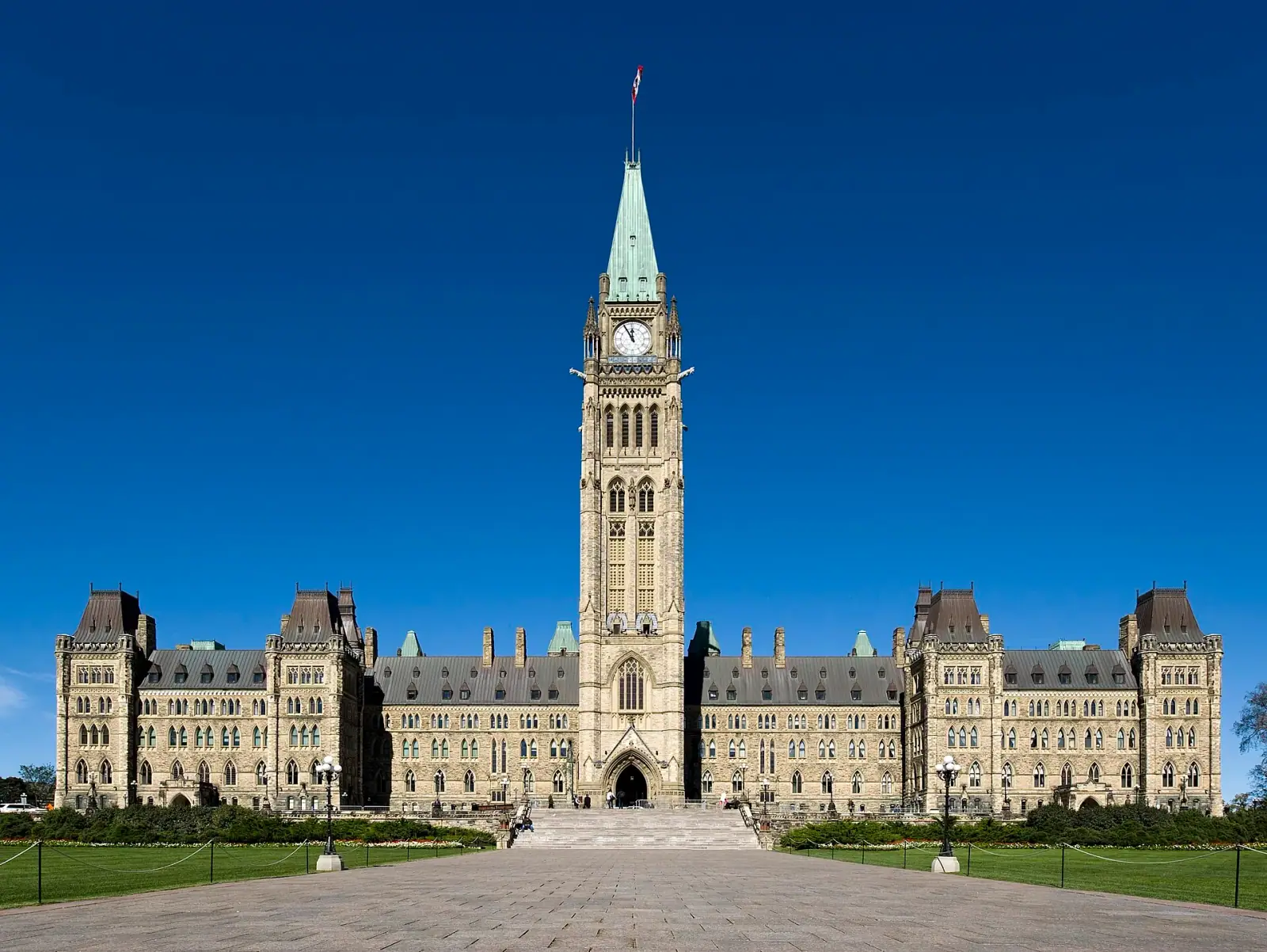
Cost of Living in Ottawa
Real market data
Source: Numbeo · August 2026
$2,340/moSolo nomad1-bed centre + living costs
$3,010/moCoupleshared 1-bed + costs
$2,100/moLean / localcheaper area + costs
- 1-bed rent, city centre$1,500C$2,107
- 1-bed rent, outside centre$1,260C$1,766
- Monthly costs excl. rent (1 person)$840C$1,178
- Meal, inexpensive restaurant$18C$25
- Monthly transit pass$96C$135
- Buy price, per m² (centre)$4,380C$6,144
Prices are from Numbeo (August 2026), converted to USD at $1 = C$1.4 (01 Aug 2026). The monthly living-costs figure is our transparent one-person basket, groceries, a few meals out, utilities, phone, internet, transport and essentials, priced from those figures. Solo adds central rent; couple and lean are estimates from the same numbers. The guide below quotes its own monthly range, which is a different measurement rather than a competing one: this table prices a defined basket at the figures above, while that range is a judgement about how somebody actually lives here.
Ottawa sits comfortably between expensive Toronto and Vancouver and the more budget-friendly smaller Canadian cities. As a single remote worker, expect to spend roughly CAD $2,200-3,200 per month (USD $1,600-2,350) all in, depending on how centrally you live and how often you eat out.
- Rent, central (ByWard Market, Centretown): CAD $1,700-2,200 for a one-bedroom
- Rent, cheaper areas (Vanier, Gloucester, south end): CAD $1,200-1,600 for a one-bedroom
- Groceries: CAD $350-450 per month for one person cooking regularly
- Eating out: CAD $15-20 for a casual lunch, CAD $40-70 for a dinner with drinks
- Coworking hot desk: CAD $30-45 per day, CAD $200-300 per month for a membership
- OC Transpo monthly transit pass: CAD $135
- Total comfortable range: CAD $2,200-3,200
Ottawa is considerably cheaper than Toronto for rent, but Canadian living costs overall are not low by global nomad standards. Budget closer to the higher end if you want a central one-bedroom and plan to eat out frequently.
Where to Work
Ottawa has a solid coworking scene sized for a capital city rather than a tech hub, which means you can usually get a desk without booking weeks ahead. The most established spaces cluster around Centretown, Little Italy, and ByWard Market.
Impact Hub Ottawa on Slater Street downtown is the most community-focused option, rated well for its social energy and mission-driven members. Collaburo on Preston Street in Little Italy offers a beautifully renovated two-floor space with 24/7 access at around CAD $239 per month for a hot desk. My ByWard Office sits in the heart of the market area and suits nomads who want a social, well-lit environment near good lunch options.
Cafe work is genuinely viable in Ottawa. Ten Toes Coffee on Bank Street is the most reliable laptop-friendly spot, consistently packed with people working on laptops. Arlington Five in the Glebe has good seating and outlets. Most cafes tolerate work, especially outside peak morning hours. WiFi is generally strong and consistent across Ottawa; the city's government and tech workforce means reliable broadband is standard in most workspaces and rentals.
Getting Around
Ottawa is a mid-size city that rewards both transit users and cyclists. The O-Train LRT runs north-south and east-west through the core, and OC Transpo operates 119 bus routes covering the broader city. A monthly pass costs CAD $135 and covers both trains and buses. Single rides are CAD $3.97.
The central neighborhoods, Centretown, ByWard Market, The Glebe, and Hintonburg, are all walkable for daily errands. Cycling infrastructure has improved substantially, and the Rideau Canal pathway is a scenic route for getting between south and central Ottawa.
Getting to and from Ottawa Macdonald-Cartier International Airport is now easier following the January 2025 opening of O-Train Lines 2 and 4, which added stations connecting to the airport corridor. Route 105 also runs directly from transit hubs. A taxi or rideshare to the airport from downtown costs roughly CAD $30-40 and takes 20-30 minutes depending on traffic.
Ottawa is not a driving city for residents, but if you plan to explore the surrounding Ontario and Quebec countryside, a car helps significantly.
Sorting transport? Book an airport transfer, or compare car rental on Auto Europe and QEEQ.
Visas and Staying Long-Term
Canada does not have a dedicated digital nomad visa, but IRCC policy allows remote workers to enter on visitor status and work for foreign employers. Most visa-exempt nationalities (US, EU, UK, Australia, and others) enter with an Electronic Travel Authorization (eTA), while other nationalities require a Temporary Resident Visa (TRV).
As of January 2026, border officers can grant stays of up to one year to digital nomads who can demonstrate remote employment for a non-Canadian employer, sufficient funds to support themselves, and genuine intent to leave at the end of their authorized stay. Previously the standard was six months, and officers retain discretion in how long they stamp your passport.
There is no straightforward extension from within Canada for tourist status beyond the authorized period, and working for a Canadian client on visitor status is not permitted.
Best Time to Visit
Ottawa has a full continental climate with genuine seasonal extremes. Winter temperatures regularly drop to -15C to -25C (5F to -13F) and the city gets significant snowfall from December through March. If you are sensitive to cold, this is a real deterrent rather than a minor inconvenience.
The best window for remote workers is May through October. Spring (May-June) brings the Canadian Tulip Festival, comfortable temperatures around 15-22C, and manageable crowds. Summer (July-August) is warm and lively with street festivals, patios, and long daylight hours, though accommodation prices rise and the city fills with tourists. September and early October offer perhaps the best balance: cooler temperatures, beautiful fall foliage along the Rideau, fewer tourists, and easier coworking availability.
Winter has its appeal if you enjoy skating (the Rideau Canal Skateway is the world's largest naturally frozen rink) and do not mind bundling up, but it is not the easiest environment for someone also trying to settle into a new city and establish routines.
Pros and Cons
- Bilingual city with English dominant; French is the other official language, useful for forays into nearby Quebec
- Strong public safety and very low violent crime compared to most North American capitals
- Excellent coworking options, reliable broadband, and a professional remote-work culture
- Green city with extensive cycling paths, the Rideau Canal, and Gatineau Park across the river in Quebec
- Diverse and genuinely good restaurant scene, especially in ByWard Market and Wellington West
- Close to Montreal (2 hours) and Toronto (4.5 hours) by road or rail
- Winters are genuinely brutal and last five months; not suitable for cold-averse nomads
- Not cheap by global nomad standards; rent has risen sharply since 2020
- Nightlife is quiet and closes early compared to Montreal or Toronto
- City energy can feel slow and government-heavy, especially outside festival seasons
- No direct international flights beyond the US; connecting through Toronto or Montreal adds cost and time
Who Ottawa Is Best For
Ottawa suits you well if you value safety, clean infrastructure, and a steady routine over urban energy. It works particularly well for nomads who want a North American base that is meaningfully cheaper than Toronto, who appreciate access to nature, bilingual culture, and a professional coworking ecosystem without the noise of a major metropolis.
It is also a strong choice if you are a US-based nomad wanting to spend a few months in Canada without the premium cost of Vancouver, or if you are visiting in the May-October window and want a city that rewards slower, deeper exploration over constant stimulation.
Skip Ottawa if brutal winters are a dealbreaker, if you need a vibrant nightlife scene, if you are on a tight budget and want your money to stretch as far as possible, or if you need direct international flight connections. Montreal, two hours away, offers more cultural intensity for a similar climate investment.