Cost of Living in Pingyao
Where this figure comes from. No cost survey covers Pingyao, so the $700 a month above is our own estimate rather than a measurement. On 416 of our 999 city guides the figure is built from a published Numbeo basket, a one-bedroom rent in the centre plus one person's monthly costs without rent, converted to USD; this city is not one of them. How we source everything.
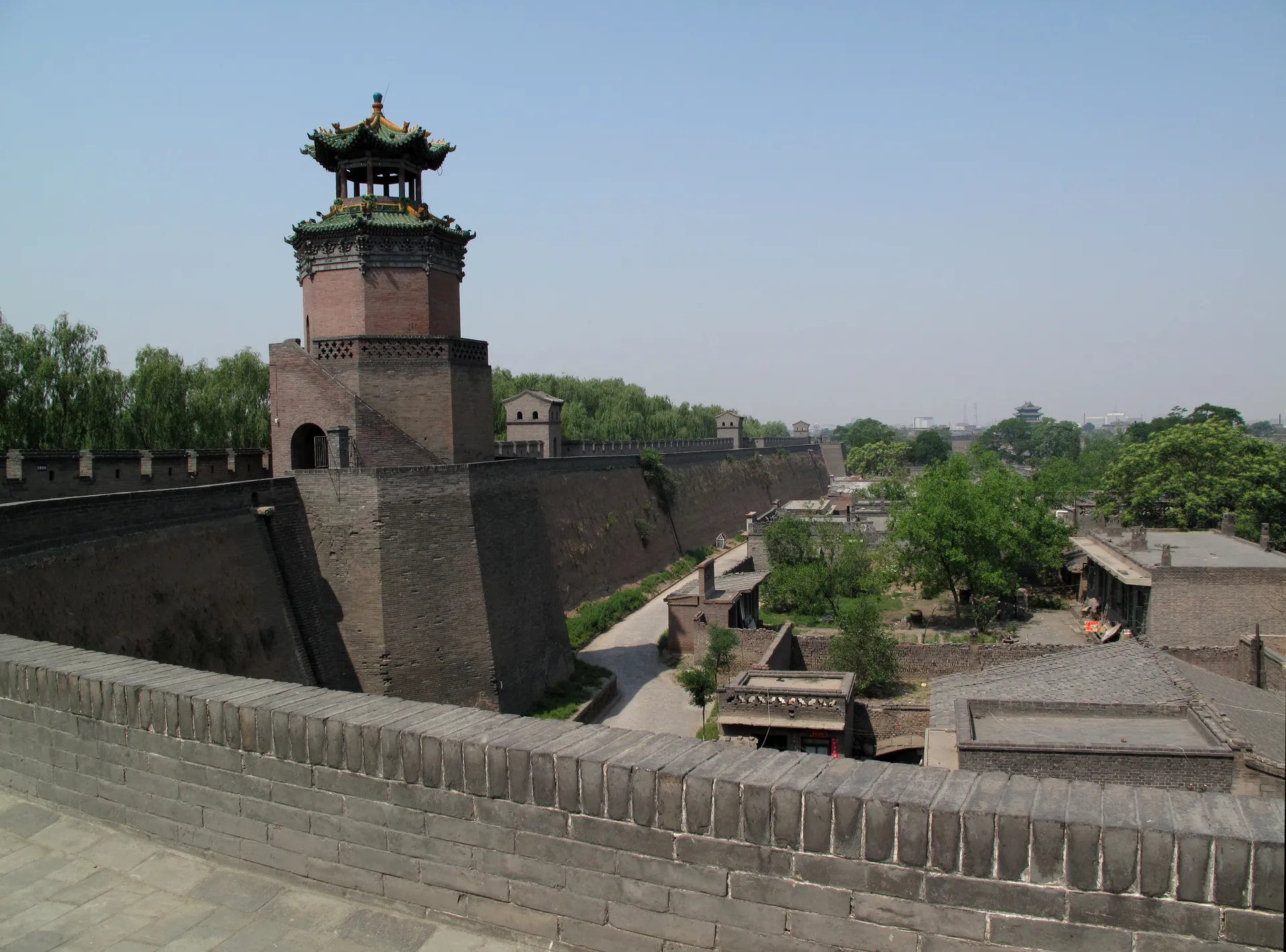
Pingyao is one of the more affordable places you can base yourself in China, especially compared with Shanghai or Beijing. A comfortable solo month, staying in a courtyard guesthouse and eating local, realistically runs somewhere around $600 to $1,200 depending on how much comfort and travel you fold in. Rooms in a restored grey-brick courtyard inn are inexpensive by Western standards, and Shanxi street food is cheap and filling. Costs climb during peak holiday weeks, when the walled town fills and room rates jump, so timing matters. There is little in the way of long-stay apartment infrastructure aimed at foreigners, so most nomads negotiate weekly or monthly guesthouse rates. The one fixed cost no visitor escapes is the combined ticket for the walls and the main sights inside them, about $17 and valid for three days; walking the lanes is free, but the city wall, the Rishengchang bank and the old county government office all sit behind it. Winter heating is the other line to settle up front, since many courtyard inns still warm rooms with a kang, a brick bed heated from below, so ask how a room is heated before agreeing a December price.
- Courtyard guesthouse room: often $15 to $40 a night, less on monthly deals
- A bowl of knife-cut noodles or local beef: a few dollars
- High-speed rail to Xian or Taiyuan: modest, booked via train apps
- Peak holiday weeks (Golden Week, Spring Festival) push prices up sharply
Where to Work in Pingyao
Coworking has not reached Pingyao, where the old town's trade is inns, noodle shops and souvenir stalls, so the only desks on offer belong to guesthouses. What you get instead is guesthouse and cafe wifi in the old town, which is generally serviceable for email, calls and light remote work but not built for heavy uploads. The bigger issue is the Great Firewall. Many Western tools, from Google Workspace to WhatsApp, Instagram and a lot of SaaS dashboards, are blocked or unreliable on the mainland, so you will likely need a working VPN installed before you arrive. Local Chinese internet itself is fast and cheap. Plan around split reality: local services fly, Western services need a tunnel.
- Guesthouse courtyard cafes with wifi make the most pleasant work spots
- Install and test a VPN before entering China, not after
- A local SIM with data is cheap and useful for maps and payments
- Expect quiet mornings and touristy, noisier afternoons on the main streets
Getting Around Pingyao
The walled Ancient City is compact and almost entirely pedestrian, which is a large part of its charm. You explore on foot along grey-stone lanes, past shopfronts on Ming-Qing Street, with electric carts shuttling visitors who do not want to walk. Motor traffic is restricted inside the walls, so plan to carry luggage in from a gate. Outside, the newer town has ordinary taxis and DiDi, China's ride-hailing app, for trips to the family courtyard mansions or the Shuanglin and Zhenguo temples. The real connector is rail: Pingyao Ancient City station puts you on the high-speed network, with fast trains to Taiyuan, Xian and onward to Beijing, making it easy to fold Pingyao into a wider Shanxi or cross-country route.
- Inside the walls: walk, or hop an electric cart
- New town and outlying sights: DiDi or taxi
- High-speed rail to Taiyuan, Xian and Beijing from the Ancient City station
- The regular Pingyao station also serves slower conventional trains
Sorting transport? Book an airport transfer, or compare car rental on Auto Europe and QEEQ.
Visas for Pingyao
China is one of the more demanding visa destinations for many travelers. Most visitors reaching Pingyao from Europe, the UK, Canada, Australia, New Zealand, Japan or South Korea can come without a visa: about 50 nationalities get 30 days visa-free under a scheme scheduled to end on 31 December 2026. US citizens are not on that list and arrive on a tourist (L) visa arranged in advance, typically with proof of itinerary and accommodation, or on the 240-hour transit exemption when continuing to a third country. Pingyao sits inland in Shanxi, so you are unlikely to enter directly here; you will usually clear immigration at a major hub and travel on by rail. The practical takeaway: sort your visa strategy early, and do not assume the relaxed, visa-on-arrival ease of Southeast Asia.
- Most European, UK, Canadian and Australian passports enter visa-free for 30 days
- US citizens need a tourist (L) visa or the 240-hour transit exemption
- Longer stays and any work require different, harder-to-get categories
Best Time to Visit Pingyao
Spring and autumn are clearly the best windows. April into early June, and September into October, bring mild days, comfortable evenings and the softest light on the grey-brick walls and courtyards. Summer in northern China gets hot and can be humid, and it overlaps with domestic holiday crowds that pack the old town. Winter is cold, dry and quiet, atmospheric if you like a hushed, frosted heritage town, but genuinely chilly. Air quality is a real consideration: northern China's worst pollution typically arrives in the winter heating season, when coal heating pushes particulate levels up. If clean air and easy walking matter to you, aim for the shoulder months and check an air-quality index before longer stays. Autumn also brings the town's two cultural events, the Pingyao International Photography Festival, held each year since 2001, and the film festival Jia Zhangke founded in 2017, usually in October, and both fill the courtyard inns well ahead.
- Best: April to early June, and September to October
- Summer: hot and busy with domestic tourists
- Winter: cold, dry, quiet, and worst for air quality
- Avoid Golden Week and Spring Festival for crowds and prices
Pros and Cons of Pingyao
Pingyao's appeal is unusually concentrated. Few places let you sleep inside intact Ming-dynasty walls, wander lanes of centuries-old courtyard houses, and stand in the Rishengchang draft bank where modern Chinese banking effectively began. It is affordable, safe, walkable and rich in Shanxi culture and food. The trade-offs are just as clear. It is small and heavily touristed inside the walls, so it can feel like an open-air museum rather than a living work base. English is limited, the Great Firewall complicates Western tools, visas are comparatively hard, and winter air quality can be poor. Treat it as a short, immersive cultural stay rather than a months-long productivity hub and it rewards you generously.
- Pros: extraordinary heritage, low cost, safety, walkability, great local food
- Cons: very touristy core, limited English, VPN needed, harder visas
- Cons: winter cold and northern-China air quality
- Best experienced slowly, over days rather than months
Who Pingyao Is For
Pingyao suits the culturally curious slow traveler far more than the deadline-driven remote worker. If you are the kind of nomad who plans trips around history, architecture and food, who enjoys waking early to have a UNESCO-listed town almost to yourself before the day-trippers arrive, and who is comfortable navigating a place where English and Western apps are patchy, you will love it. It works beautifully as a three-to-five-day cultural anchor inside a larger Shanxi, Xian or Beijing itinerary. It is a weaker fit if you need reliable access to Western SaaS all day, crave nightlife and an international community, or want a long-term, low-friction base. Come for the atmosphere, not the office. Students of Chinese architecture and merchant history get the most from a longer stay, because the Qiao and Wang family compounds, the great mansions of Shanxi's banking and trading families, are each within an hour by road and reward unhurried visits.
- Ideal: history and architecture lovers, slow cultural travelers
- Ideal: nomads pairing light work with deep sightseeing
- Less ideal: those needing heavy Western-tool access or nightlife
- Best as a short anchor within a wider China route