Cost of Living in Beijing
Where this figure comes from. No cost survey covers Beijing, so the $1,500 a month above is our own estimate rather than a measurement. On 416 of our 999 city guides the figure is built from a published Numbeo basket, a one-bedroom rent in the centre plus one person's monthly costs without rent, converted to USD; this city is not one of them. How we source everything.
A single nomad in Beijing lands close to $1500 per month without much strain. A furnished one-bedroom on a monthly lease inside the Third Ring, in Dongcheng, Sanlitun or Wudaokou, runs $600 to $950; shared flats and serviced studios in Chaoyang start nearer $400. Eating mostly local, at jianbing stalls, noodle shops and canteen-style Sichuan places, costs $200 to $320 a month, though a Western brunch habit adds $150 fast. A China Unicom or China Mobile SIM with 30GB to 60GB is $10 to $18. Hot-desking at a coworking space is $130 to $220; cafes are cheaper and widely tolerated. Utilities including heating, electricity and water average $40 to $80, spiking in winter. Transport is trivial: $20 to $35 covers a month of metro and buses. Value verdict: Beijing delivers a genuine world capital, superb food and near-flawless infrastructure at roughly half the cost of Tokyo or Seoul, with rent the only real pressure point.
Where to Work in Beijing
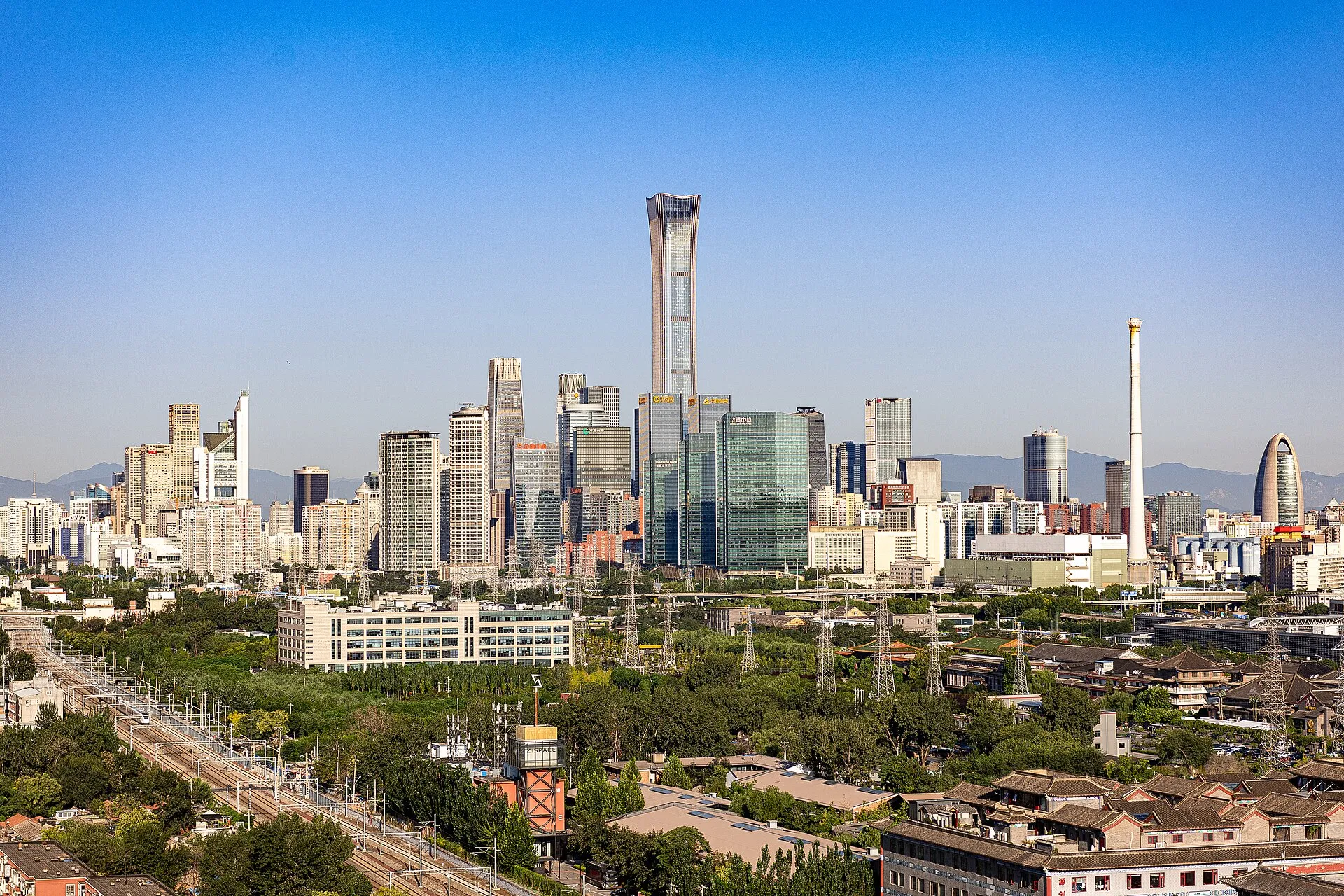
Base yourself in Dongcheng near the Lama Temple and Gulou for hutong quiet with metro access, in Sanlitun or Chaoyangmen for a more international feel, or in Wudaokou if a young student-heavy scene appeals. WeWork operates several Beijing locations including Sanlitun and the CBD, and Kr Space and Ucommune run domestic-brand alternatives at lower rates. Cafe work is normal in the hutong belt around Beiluoguxiang and Wudaoying, where independent roasters keep long tables and reliable wifi; the Metal Hands and Voyage Coffee groups are dependable fixtures. Fixed broadband is quick, and mobile 5G is fast and near-ubiquitous. The critical caveat is the Great Firewall: Google, Gmail, WhatsApp, Instagram, Slack in places, and most Western SaaS require a working VPN, and consumer VPNs degrade during political meetings. Power is stable. Cafes get loud after 2pm and rarely have plentiful sockets. The city has been under an explicit population cap for a decade and has cleared a great deal of informal housing and small shopfront frontage to enforce it, which is why parts of the hutong belt look tidier and emptier than photographs from ten years ago show them. The effect on rents has been to push the cheap end further out year by year.
Getting Around Beijing
Beijing's metro is the workhorse: over twenty lines, signage in English, trains every two to four minutes, and fares of roughly $0.40 to $1.20 depending on distance. Buses cost about $0.15 with a transit card but are slower and less foreigner-friendly. Didi is the dominant ride-hailing app and works in English; a typical crosstown ride is $4 to $10, though rush hour traffic inside the Fourth Ring is genuinely bad. Shared bikes from Meituan and Hellobike blanket the city at around $0.20 for thirty minutes and are often the fastest option for short hops. Payment runs through Alipay or WeChat Pay, both of which now accept foreign cards. Capital Airport connects by the Airport Express for about $3.50; Daxing is further out but linked by its own express line. The city is flat and walkable block by block, but the blocks are enormous. No scooter or car is needed. Private cars are kept off the roads one weekday a week according to the last digit of the plate, a permanent measure rather than an emergency one, and it is part of why the ride-hailing fleet here is as enormous as it is.
Sorting transport? Book an airport transfer, or compare car rental on Auto Europe and QEEQ.
Visas for Beijing
China does not offer a digital nomad visa, and remote work on a tourist entry is technically outside the visa's purpose. As of 2026, citizens of a long list of countries including most of the EU, the UK, Canada, Australia, New Zealand, Japan and South Korea can enter visa-free for up to 30 days for tourism, business and family visits, a scheme repeatedly extended and expanded since 2024. United States passport holders are not on that list and still need a visa: the standard L tourist visa is usually issued for 30 or 60 days per entry, often with ten-year multiple-entry validity for Americans. Separately, the 240-hour visa-free transit policy allows stays of up to ten days for travellers continuing to a third country through Beijing and most major ports. Extensions of 30 days are possible at the Public Security Bureau exit-entry office but are discretionary. Register your address with local police within 24 hours of arrival.
Best Time to Visit Beijing
Beijing has a sharply continental climate with four unmistakable seasons. September and October are the clear best window: dry, blue, with highs around 22C to 26C and the golden light that makes the Fragrant Hills and the Great Wall worth the trip. April and May are the second choice, pleasant but punctuated by spring dust storms blowing in from the north. June through August are hot and humid, peaking near 35C, with the bulk of the annual rain arriving in July and August as short violent downpours. Winter, from December to February, is dry, bright and bitterly cold, with lows near minus 10C and the worst air-quality episodes when coal heating and still air combine, though pollution has improved markedly since the 2010s. Chinese New Year, falling in late January or February, shuts much of the city and makes domestic travel chaotic. Mid-Autumn Festival and the October National Day week also crowd every attraction.
Pros and Cons of Beijing
The strengths are substantial. Beijing is one of the great historical capitals, with the Forbidden City, the Temple of Heaven and the Great Wall within reach, backed by an art scene at 798 and a hutong bar and coffee culture that rewards long stays. Infrastructure is exceptional: a vast cheap metro, fast trains to Shanghai and Xi'an, sub-second mobile payments, delivery of anything within an hour, and personal safety at a level few world cities match. Food, from imperial to Uyghur to Sichuan, is world class and cheap. The internet is what rules Beijing out for many people: the Great Firewall makes routine Western tools dependent on a VPN that can and does fail at politically sensitive moments. Winter air quality still has bad days, winters are punishing, and the language barrier is real, since English is far less widespread than in Southeast Asia. The nomad community is thin and bureaucracy for foreigners is heavy.
Who Beijing Is For
Depth rather than convenience is the bargain being offered here: someone with an interest in Chinese history, language or business, a tolerance for bureaucracy, and work that survives a VPN-mediated internet connection. It rewards long stays, learners of Mandarin, and people whose income is high enough that a $700 flat and $3 metro days feel like an obvious bargain against Tokyo or Singapore. Journalists, researchers, supply-chain and manufacturing consultants, and anyone building China-facing product will find the city indispensable. It fits poorly for those who need Google Workspace, Slack and Zoom to work without friction every single hour, for social nomads seeking a ready-made expat coworking scene of the Chiang Mai or Lisbon variety, and for anyone chasing beaches, warmth or year-round outdoor living. Travellers who dislike cold winters, heavy air-pollution days, or navigating daily life in a language they cannot read should look elsewhere in Asia.