Cost of Living in Phoenix
Where this figure comes from. No cost survey covers Phoenix, so the $3,100 a month above is our own estimate rather than a measurement. On 416 of our 999 city guides the figure is built from a published Numbeo basket, a one-bedroom rent in the centre plus one person's monthly costs without rent, converted to USD; this city is not one of them. How we source everything.
Phoenix offers solid value for a large Sun Belt city, and roughly $3,100/month fits a solo remote worker. A one-bedroom in central Phoenix or a walkable district like Roosevelt Row runs about $1,400 to $1,800, while suburbs such as Tempe, Mesa, or Glendale range from $1,200 to $1,600, with cheaper options further out. Groceries for one run $350 to $450. Eating out is affordable, with good tacos and casual meals at $12 to $18 and mid-range dinners around $25 to $35. Arizona has a low, flat state income tax. A car is essentially required, so budget $250 to $450 for payment, fuel, and insurance. Coworking desks run about $150 to $300/month. The big variable is summer electricity: air conditioning bills routinely hit $200 to $350 in peak months, so factor that in. These are editorial estimates in USD. Careful nomads land near $2,600, most spend $3,000 to $3,400. Groundwater is the constraint that now shapes the housing market: the state stopped approving some new subdivisions on the fringe a couple of years ago because a hundred-year water supply could not be demonstrated, which pushes development inward and puts a floor under prices closer to the centre. Ask any landlord what last summer's electricity bill actually came to rather than accepting an average.
Where to Work in Phoenix
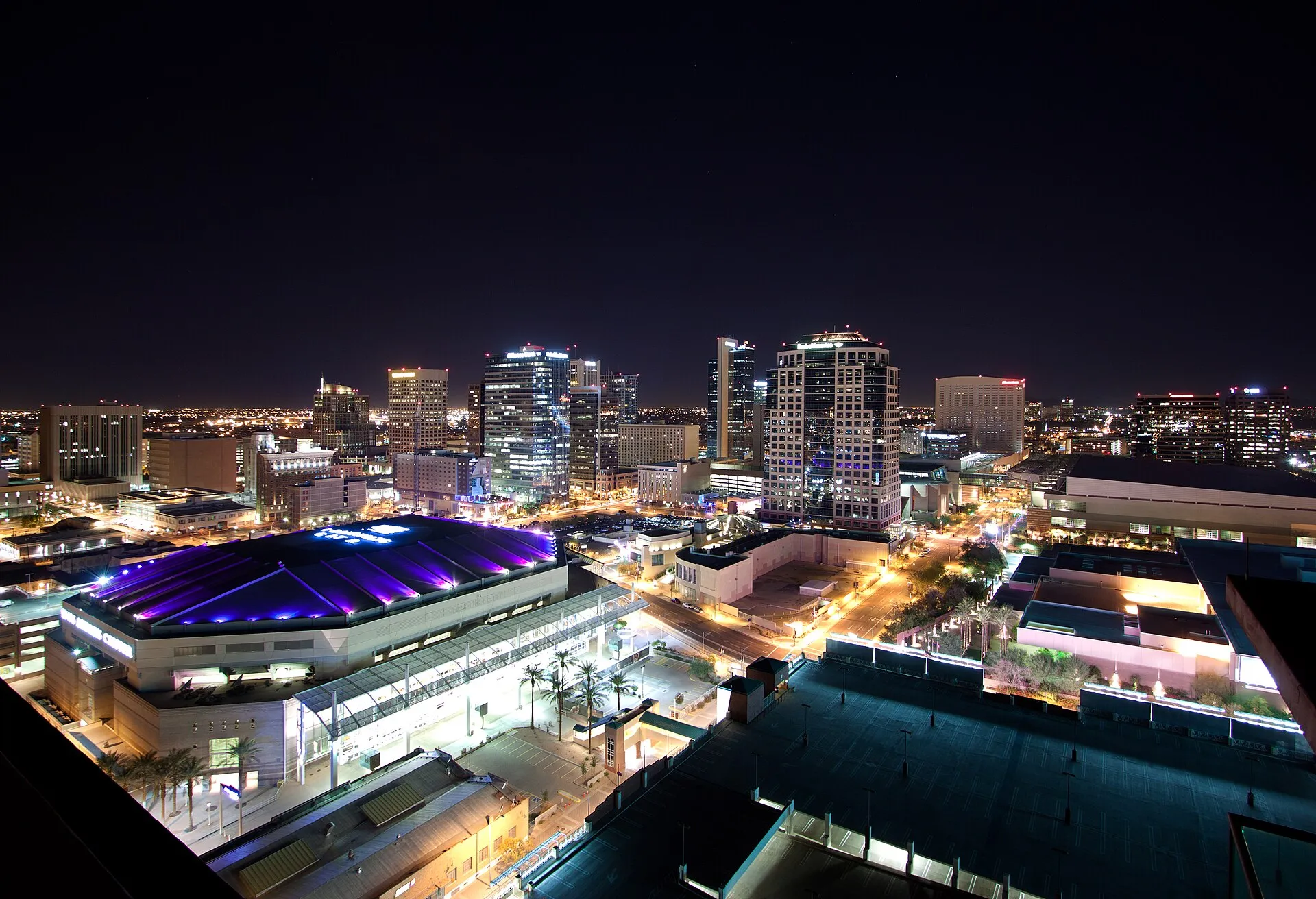
Phoenix has a healthy coworking market spread across Downtown, Midtown, Tempe near the university, and Scottsdale, with hot desks, private offices, and active professional communities, partly fueled by the region's tech and startup growth. Home internet is fast and reliable, with widespread cable and expanding fiber, well suited to video calls and heavy uploads. Cafe-work culture is good in walkable pockets like Roosevelt Row, Downtown Phoenix, and central Tempe, where independent coffee shops welcome laptop workers, while much of the sprawling metro leans on chains. Coffee quality has risen notably in recent years. Caveats: because the city is spread out, your ideal coworking spot or cafe may be a real drive from home, so pick a base in a denser district if you want walkable work options. From June through September, coworking spaces and cafes double as heat refuges, making a paid membership more appealing than working from a warm apartment. The semiconductor build-out on the north side is changing the professional mix: TSMC began production at its first Phoenix fab in 2025 and plans a cluster of six, so engineers and contractors in that supply chain are arriving in numbers.
Getting Around Phoenix
Phoenix is a car-dependent, sprawling metro. The Valley Metro light rail connects Downtown Phoenix, Tempe, and Mesa along a single spine, useful if you live and work near it, but bus coverage across the vast suburbs is thin and slow. Walkability is limited to a few districts like Downtown, Roosevelt Row, and central Tempe; most of the area is designed around driving. Ride-hailing (Uber and Lyft) is widely available and reasonably priced, and a car-free life is possible if you stay near the light rail, but for most nomads a car makes daily life far easier. Phoenix Sky Harbor International Airport (PHX) is large, close to Downtown, and exceptionally well connected domestically with plenty of nonstop routes. Traffic is moderate for a metro this size, and parking is generally plentiful and cheap. Summer heat also discourages walking, reinforcing the practical need for air-conditioned car travel much of the year. The canals that water the valley carry paths along their banks, flat, shaded in stretches and running for miles across the city, and they are the one piece of infrastructure here that makes cycling genuinely pleasant. Residents use them constantly and almost no visitor ever finds them.
Sorting transport? Book an airport transfer, or compare car rental on Auto Europe and QEEQ.
Visas for Phoenix
The US has no digital nomad visa, and Arizona applies the same federal immigration rules nationwide. Travelers from Visa Waiver Program countries can get an ESTA online and stay up to 90 days for tourism, without extension. Others generally need a B-2 tourist visa, and the standard B-2 admission is six months per entry. Visitor status carries no work authorization in the United States. Overstaying leads to automatic re-entry bans, so note your admitted-until date on the I-94. Phoenix is a busy domestic and international gateway, so tourist entries are routine, but be ready to show onward travel, accommodation, and sufficient funds. Only a B-2 admission can be extended, through a USCIS application covering up to six more months.
Best Time to Visit Phoenix
Phoenix has an extreme desert climate, and avoiding the summer is the single most important planning decision. From June through September, daytime highs regularly exceed 105 to 115 degrees Fahrenheit, with overnight lows staying uncomfortably warm, and the heat is genuinely hazardous for extended time outside. The best months are the mild, sunny winter and shoulder seasons: November through April are glorious, with warm days, cool nights, and perfect conditions for hiking Camelback Mountain, exploring the desert, and lounging by the pool. This is peak snowbird season for good reason. Spring wildflowers in March and April are a highlight. October and May are transitional, hot but tolerable. Rain is rare outside the summer monsoon, which brings dramatic dust storms and thunderstorms from July to September. For nomads, base yourself here from roughly October to April to enjoy the outdoors, and treat the summer as an indoor, early-morning-only season if you stay. Baseball's preseason camps add a crowd in February and March, when 15 Major League Baseball teams work out around the valley and short-term rentals near the ballparks price accordingly.
Pros and Cons of Phoenix
Pros: Phoenix combines affordability, a low flat state income tax, fast internet, and a large, growing economy with a real tech and startup presence. Winters are spectacular, sunny, warm, and ideal for hiking and outdoor life, and the desert scenery, Sonoran Preserve, and nearby Sedona day trips are stunning. Sky Harbor airport is close and superbly connected. The metro is modern, safe in most areas, and dining and coffee have improved a lot. Cons: the summer heat is punishing for four to five months, forcing an indoor, air-conditioned existence and spiking electricity bills. The city is deeply car-dependent and sprawling, with limited walkability and thin transit outside the light-rail corridor. Water scarcity and long-term sustainability are legitimate concerns in the desert. Some find the endless suburbs and strip malls monotonous and lacking the density or historic character of older cities. It rewards those who plan around the seasons. Arizona also stays on standard time all year, so Phoenix shares the clock with California through the summer and with Denver in winter, which quietly shifts every call with a coastal team twice a year.
Who Phoenix Is For
The practical, value-minded US nomad who wants an affordable, modern base with great winter weather, strong internet and easy flights, and who does not mind driving, is who this is for. It is ideal for outdoor lovers who will make the most of hiking, cycling, and desert adventures during the long mild season, and for snowbirds escaping cold northern winters. The growing tech and startup scene makes it a decent fit for those wanting occasional in-person professional community. It works for remote workers on US time zones seeking comfort and convenience over charm. It is a weak fit for anyone who wants a walkable, transit-rich urban lifestyle, mild summers, or dense historic character, and for those unwilling to structure life around avoiding extreme heat. If you plan to be there mainly from fall through spring, Phoenix delivers a lot of quality of life for the money.