Cost of Living in Kelowna
Where this figure comes from. No cost survey covers Kelowna, so the $2,100 a month above is our own estimate rather than a measurement. On 416 of our 999 city guides the figure is built from a published Numbeo basket, a one-bedroom rent in the centre plus one person's monthly costs without rent, converted to USD; this city is not one of them. How we source everything.
Budget around $2,100 a month as a solo remote worker in Kelowna, which is expensive for a mid-sized Canadian city and reflects a housing market that has absorbed a decade of arrivals from Vancouver and beyond. A one-bedroom apartment runs roughly $1,200 to $1,600. Groceries are ordinary Canadian prices, which are high, and British Columbia adds its own premium. Eating out is expensive, though the Okanagan's wineries and their restaurants are good value for the quality. Utilities are moderate: warm dry summers need cooling and the winters are mild for Canada. A car is a fixed cost. Car insurance is a larger cost than most arrivals expect, since British Columbia runs it through a single public insurer and the rates are among the highest in the country. Renting is seasonal in a way that catches people out: the university intake in late August tightens the market sharply, and a search begun in June is far easier than the same search in September. Sharing a house is how most people under thirty afford the city, and it brings the monthly figure down substantially. Alcohol carries heavy provincial tax, which is a strange thing to have to note in wine country but a real one.
Where to Work in Kelowna
Kelowna has a real coworking scene and a technology sector that has grown substantially, anchored by the University of British Columbia's Okanagan campus and a cluster of software and aerospace firms. Desks run from roughly $250 a month. Fibre reaches most of the city with fast, reliable speeds, though Canadian internet pricing is high by international standards. Mobile coverage is comprehensive in the valley. The professional network here is stronger than the city's size suggests and is one of the reasons the technology sector has kept growing rather than plateauing. The time zone is the practical advantage here. Kelowna is on Pacific time, in step with Vancouver, Seattle and the whole west coast technology corridor, and it still leaves a workable morning overlap with the eastern seaboard; anyone working with Europe will be starting very early. The downtown innovation centre is the visible hub of the local sector and hosts much of the meetup activity, which is the fastest way into the professional network for someone arriving without contacts. Cafes downtown are workable but busy through the summer, and the public library is the reliable fallback when the patios fill.
Getting Around Kelowna
Kelowna is spread along the lake and is car-dependent, though the downtown and the Pandosy district are walkable and there is a decent transit network for a city this size. The Okanagan Rail Trail runs along the lakeshore and cycling in summer is genuinely practical. Kelowna International Airport has direct flights across Canada and some to the United States and Mexico. Vancouver is four hours by road over the Coquihalla, which is a mountain pass and demanding in winter. The wineries, the ski hills at Big White and Silver Star, and the lake all need a vehicle. Winter tyres are a legal requirement on the mountain highways through the cold months, which catches out anyone who drove up in a summer rental. Highway 97 is the spine of the whole valley and everything strings along it: Penticton an hour to the south, Vernon forty minutes to the north, so the region works as one long town rather than a city with suburbs. The airport sits fifteen minutes north of downtown on that same road, which is unusually convenient for a place this size, and the United States border is roughly two hours away if you need it.
Sorting transport? Book an airport transfer, or compare car rental on Auto Europe and QEEQ.
Visas for Kelowna
Canada has no dedicated digital nomad visa, though in 2023 it stated that visitors may work remotely for a foreign employer while in the country on visitor status, which clarified a long grey area. Most Western nationals get an eTA and up to six months per entry. Working Holiday permits under International Experience Canada cover a defined list of countries and ages and allow up to two years with work rights. Longer stays run through Express Entry, provincial nomination or employer sponsorship, all of which are structured points-based processes. Anyone relying on the 2023 remote-work clarification should read the current wording themselves, since it is guidance about visitor status rather than a dedicated visa. Entry is at the officer's discretion whatever your eTA says, and someone arriving with a laptop, an open-ended plan and no return ticket will be asked more questions than someone with an itinerary and evidence of ties at home. A visitor record can extend a stay from inside Canada, but it has to be applied for before the initial six months run out rather than after. British Columbia's provincial nomination stream has a technology pathway, which is the route most remote workers who decide to stay end up actually using.
Best Time to Visit Kelowna
July to September is the reason people come, with hot dry days in the high twenties or low thirties, warm lake water and the vineyards at their best. This is also peak season, when accommodation prices rise and the beaches fill. May, June and October are quieter and pleasant. Winter from December to February is mild by Canadian standards, with highs near zero and moderate snow in the valley, while the ski hills above get a great deal more. The recurring problem is late summer wildfire smoke, which has closed roads and filled the valley for weeks in recent years. Late September into October is the harvest, and it is arguably the best time to be here: the heat has broken, the crowds have gone, the vineyards are working and accommodation costs noticeably less. Blossom through late April and May is the other quiet pleasure. The ski season on the hills above runs roughly December to early April. The smoke, when it comes, is usually a late July to early September problem, so a stay planned around the shoulders avoids both the peak prices and the worst of the air.
Pros and Cons of Kelowna
Kelowna combines a long warm lake, roughly two hundred wineries, two ski hills within an hour and the driest, sunniest summers in Canada with a real technology sector and a university. It is a rare Canadian city where summer is the main attraction. It is expensive, entirely car-dependent, and the wildfire smoke that now arrives most late summers is a genuine problem and a worsening one. The town is also socially settled and the international community is thin. Traffic on the single bridge across the lake is also a daily constraint that residents plan around and visitors do not expect. Finding a family doctor in British Columbia is difficult and Kelowna is no exception, so anyone with an ongoing medical need should not assume a practice will take them on. The city is also markedly seasonal in mood, busy and outdoor-facing from May to September and quiet for the rest of the year, which some people find restful and others find long.
Who Kelowna Is For
Canadian work rights or an International Experience Canada permit, plus a taste for lake summers, skiing and a functioning technology scene without Vancouver prices. Driving is assumed here, wine country is the setting, and the city stays mid-sized rather than growing into a metropolis. A car is required rather than useful, the budget needed is Canadian rather than modest, and no large international community exists in the valley. Respiratory sensitivity is the serious one: the wildfire seasons here have become an annual expectation rather than an occasional event. Technology is the sector that changes the answer here. The cluster here has grown large enough that changing employer no longer means changing city, which is rare for a place this size and is why people stay. Families get good schools, short commutes and a great deal of outdoors inside twenty minutes of the door. Anybody whose sport happens on water or on snow rather than in a gym is in exactly the right valley for it. Someone weighing it against Victoria or the Kootenays should know that Kelowna trades a milder winter and better flight connections for more traffic and less charm. It is not a place to arrive without a plan for the first winter, which is when the summer town goes quiet.
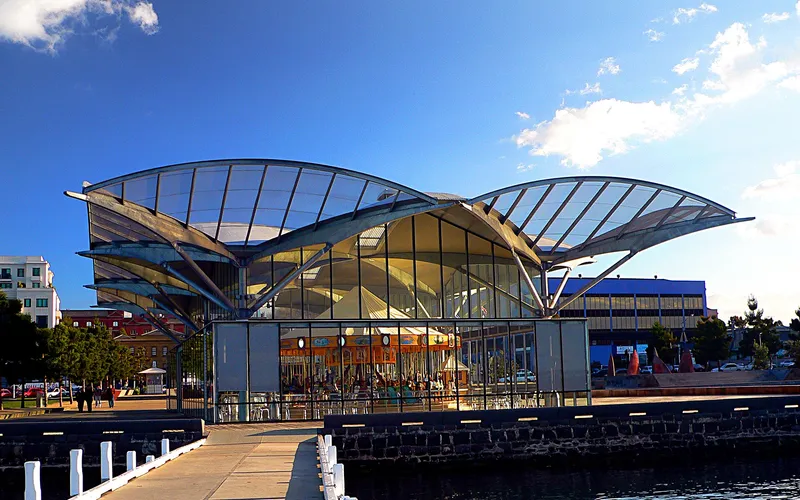
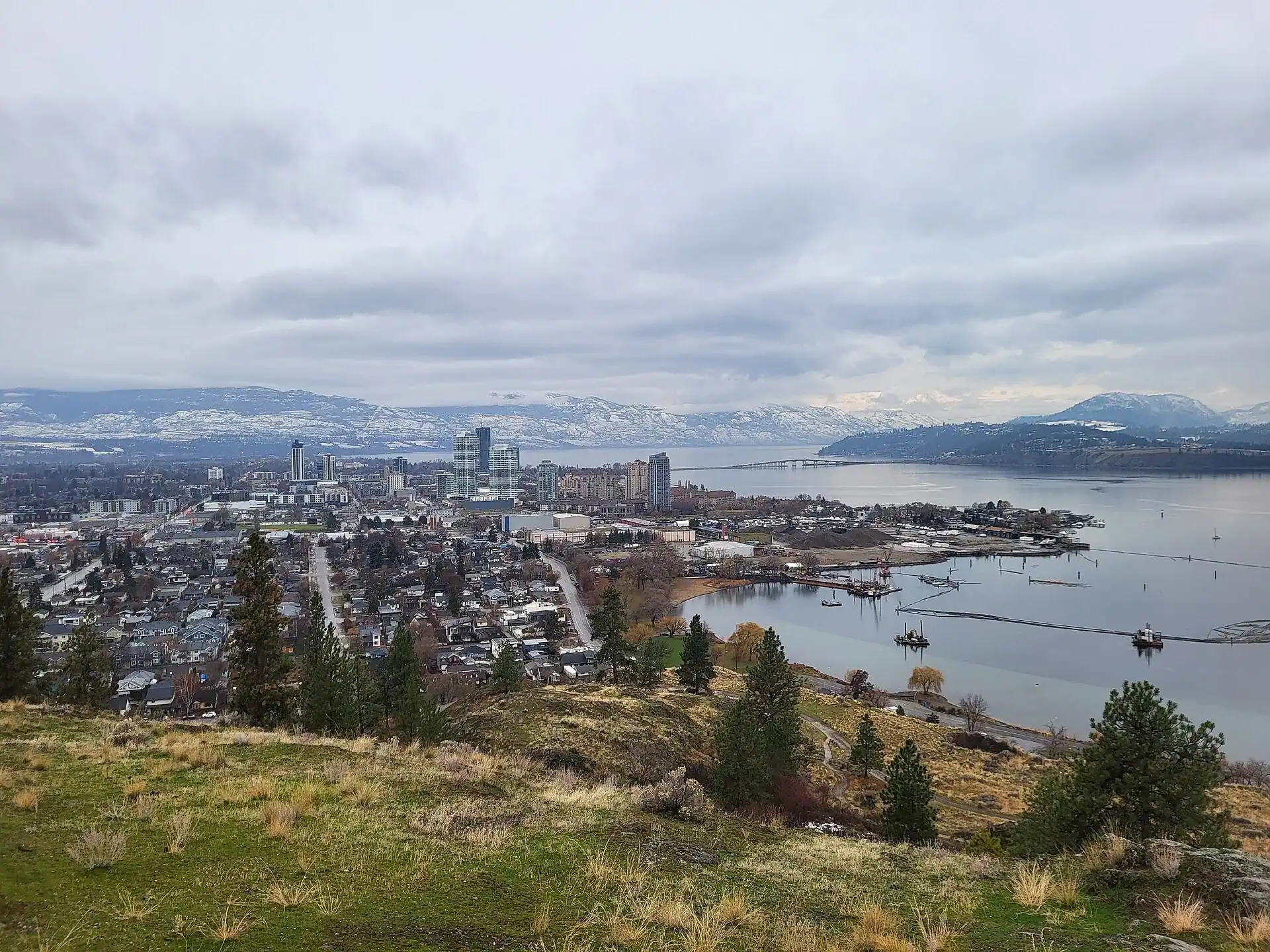 Photo: Gladgan / Wikimedia Commons (CC BY-SA 4.0)