Cost of Living in Musanze
Where this figure comes from. No cost survey covers Musanze, so the $700 a month above is our own estimate rather than a measurement. On 416 of our 999 city guides the figure is built from a published Numbeo basket, a one-bedroom rent in the centre plus one person's monthly costs without rent, converted to USD; this city is not one of them. How we source everything.
Musanze is cheap to live in and brutally expensive to visit for its main attraction. Day-to-day costs are low: a simple room or guesthouse runs $15-30 a night, a modest one-bedroom apartment rents for $150-300 a month, and a plate of local food (rice, beans, cassava, grilled brochettes) costs $2-4 at a Rwandan canteen. A cappuccino at one of the town's few nomad-friendly cafes runs $1.50-2. A nomad living simply, cooking at home and eating local, can get by on $500-700 a month excluding gorilla trekking. The catch is the reason most people come here at all: a mountain gorilla trekking permit costs $1,500 per person (Rwanda Development Board rate), golden monkey permits are around $100, and most visitors budget a multi-day Volcanoes National Park trip on top of daily living costs. Musanze itself is not touristy-expensive; it is a working highland town where the permit is the one line item that dwarfs everything else. Groceries and produce from the daily market are inexpensive, but imported goods, decent wine and specialty items are marked up and mostly found in Kigali, a roughly two-hour drive away. The Rwandan franc (RWF) is stable and cards are rarely accepted outside a handful of hotels, so plan on cash (mobile money via MTN MoMo is widely used by locals and increasingly by small businesses).
Where to Work in Musanze
Musanze is not a coworking hub. There is no dedicated coworking space in town as of this writing; nomads work from hotel and lodge lounges, a couple of cafes with decent wifi, and their own rented rooms. Fiber and 4G coverage in town is reasonable by East African standards, especially since Rwanda has invested heavily in national connectivity, but speeds and reliability drop off quickly outside the center and during heavy rain (common in the wet seasons). Power cuts happen occasionally; most serious guesthouses and lodges run backup generators or inverters. If you need dependable, fast internet for video calls or large uploads, treat Musanze as a base for slower asynchronous work rather than a place to run a demanding remote job, or budget for a lodge with known good connectivity (several of the upscale properties near the park gate cater to a business-traveler and researcher crowd and invest in Starlink or dedicated links). Kigali, with genuine coworking spaces, faster fiber and a larger digital community, is the fallback for anyone who needs consistently strong connectivity and is only two hours away by bus or car.
Getting Around Musanze
Musanze town itself is small and very walkable, with the main strip, market and bus park all within a compact center. Moto-taxis (motorcycle taxis) are the default way to cover longer distances or reach outlying areas; drivers wear numbered jackets and helmets are mandatory and provided, a short in-town ride costs roughly $0.50. For trips to the Volcanoes National Park headquarters in Kinigi, the twin lakes Burera and Ruhondo, or the Musanze caves, hire a moto, a private car with driver, or arrange transport through your lodge. Shared minibuses (matatu-style) connect Musanze to surrounding villages cheaply but are crowded and slow. To and from Kigali, comfortable intercity coaches (Volcano Express, Ritco and others) run frequently on a good, fully paved and well-maintained road, taking about two to two and a half hours and costing roughly $3-6. Self-driving is possible and roads in this part of Rwanda are notably good, but many nomads just book a private transfer, especially for gorilla trekking days when pickup times are early and fixed. There is no ride-hailing app coverage comparable to Uber in Musanze; everything is negotiated in person or through your accommodation.
Sorting transport? Book an airport transfer, or compare car rental on Auto Europe and QEEQ.
Visas for Musanze
Rwanda is one of the most visa-friendly countries in Africa. Citizens of all countries can get a visa on arrival at Kigali International Airport or land borders, and many nationalities can apply for an e-visa in advance online, which is faster and recommended. The standard single-entry tourist visa costs $50 and is typically issued for up to 30 days, though officers commonly stamp longer at their discretion. Rwanda also participates in the East Africa Tourist Visa, a single $100 visa valid for 90 days that allows multiple entries across Rwanda, Kenya and Uganda, useful if you plan to combine Musanze's gorilla trekking with a wider regional trip. There is no widely used long-stay digital nomad visa; longer stays generally mean visa runs or working with an immigration agent for an extension, which is possible but adds friction. Note that Rwanda has strict rules around drones (permits required in advance) and single-use plastic bags are banned nationwide and confiscated at the border, so pack accordingly.
Best Time to Visit Musanze
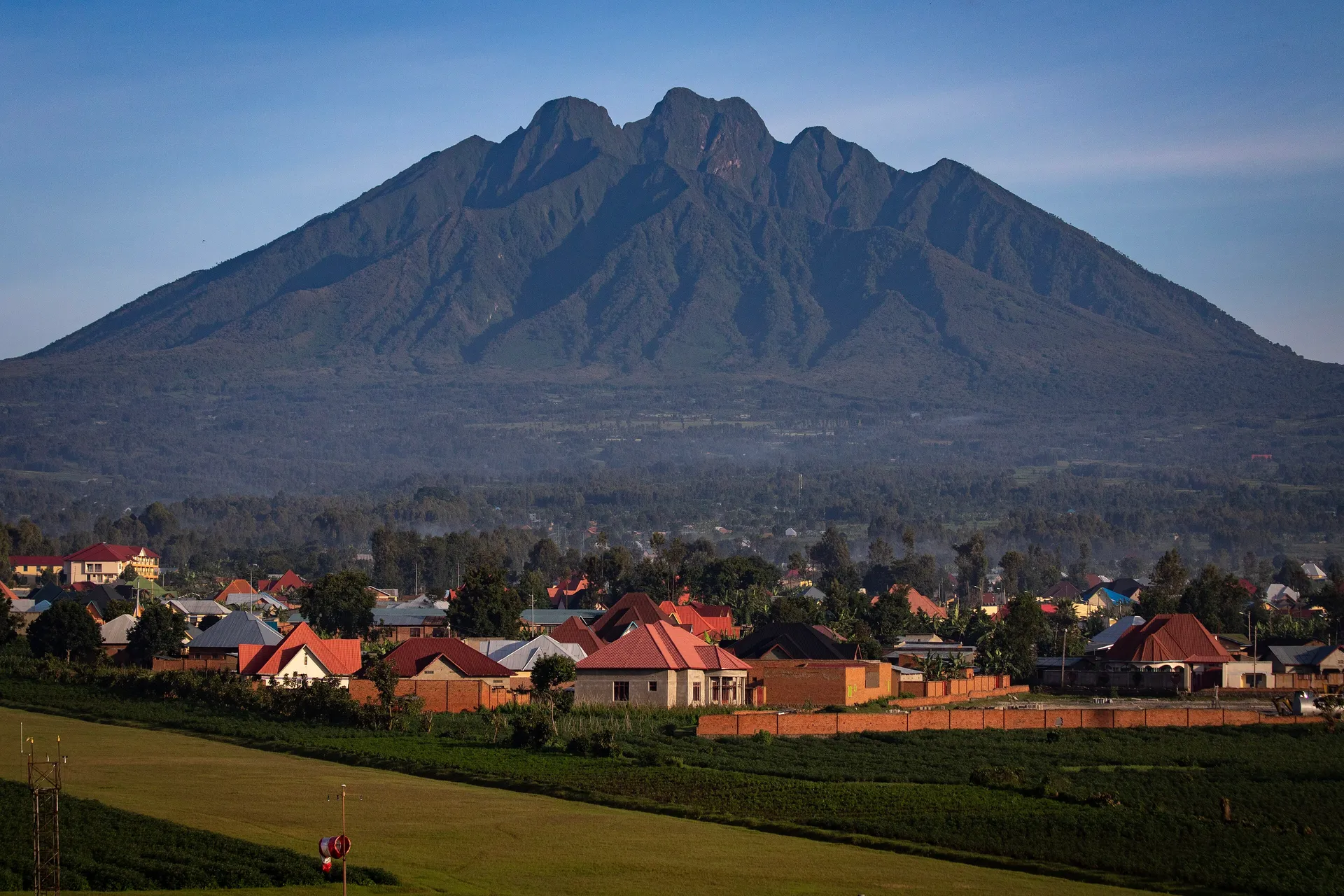
Musanze sits at around 1,850 meters in the shadow of the Virunga volcanoes, so it is cool and green year-round, expect daytime highs in the low-to-mid 20s Celsius and chilly nights, with a jacket essential even in the "hot" months. Rwanda has two dry seasons, June through September and December through February, and these are by far the best times for gorilla and golden monkey trekking: trails are less muddy, visibility is better, and the volcanic slopes are more manageable. The long rains (March-May) and shorter rains (October-November) bring heavy afternoon downpours that turn forest trails into thick mud, trekking is still possible but considerably harder and less pleasant. Permit prices do not change by season, so booking dry-season slots well in advance (three to six months ahead is common in peak months like July-August and December) matters more for availability than cost.
Pros and Cons of Musanze
The pros: this is one of the most spectacular natural settings in Africa, with the volcanoes rising directly behind town, genuinely world-class gorilla and golden monkey trekking on the doorstep, dramatic caves and twin lakes nearby, and a level of order, cleanliness and safety that is unusual for the region, plastic bags are banned, streets are swept, and petty crime against visitors is rare. The cons are equally real: it is a small town with a thin nomad and expat community, limited nightlife (a few bars, nothing resembling a scene), patchy and inconsistent internet outside a handful of properties, and most administrative, medical and lifestyle services concentrated in Kigali rather than here. The signature activity, gorilla trekking, is a huge one-time cost that can dominate a travel budget even though daily living is cheap. Weather is cool and often wet, which suits some people and disappoints those expecting classic "tropical nomad" sunshine.
Who Musanze Is For
Musanze suits travelers and slow-nomads who came to Rwanda primarily for gorilla trekking, nature, hiking and the volcanoes, and who are happy to treat work as a secondary, lower-connectivity activity during their stay. It works well for researchers, conservation-minded remote workers, photographers and anyone doing a short high-focus stint (a week or two) rather than a long settled base. It is a poor fit for anyone who needs fast reliable internet daily, an active social or nightlife scene, or a built-out coworking and cafe culture, those needs are better met in Kigali. If your ideal nomad base has misty volcanic peaks outside the window, crisp mountain air, genuinely impressive wildlife within an hour's drive, and you can accept a quiet small-town pace and occasional connectivity hiccups in exchange, Musanze delivers something few other places on the continent can match.