Cost of Living in Kigali
Real market data
Source: Numbeo · August 2026
$960/moSolo nomad1-bed centre + living costs
$1,200/moCoupleshared 1-bed + costs
$710/moLean / localcheaper area + costs
- 1-bed rent, city centre$670RWF 982,519
- 1-bed rent, outside centre$420RWF 612,821
- Monthly costs excl. rent (1 person)$290RWF 433,355
- Meal, inexpensive restaurant$2RWF 3,500
- Monthly transit pass$25RWF 37,500
- Buy price, per m² (centre)$3,350RWF 4,937,457
Prices are from Numbeo (August 2026), converted to USD at $1 = 1472.39 RWF (01 Aug 2026). The monthly living-costs figure is our transparent one-person basket, groceries, a few meals out, utilities, phone, internet, transport and essentials, priced from those figures. Solo adds central rent; couple and lean are estimates from the same numbers. The guide below quotes its own monthly range, which is a different measurement rather than a competing one: this table prices a defined basket at the figures above, while that range is a judgement about how somebody actually lives here.
Kigali is not the ultra-cheap East African base some nomads expect, but it delivers solid value for what you get: clean streets, reliable infrastructure, and a functioning city. Budget around $475-815 per month for a comfortable nomad life, or up to $1,500 if you want a nicer apartment and eat out frequently.
- Rent (1BR, central Kimihurura or Kiyovu): $410-610
- Rent (1BR, outer areas like Remera or Gisozi): $240-375
- Groceries (monthly, cooking most meals): $100-135
- Eating out (meal for one, local restaurant): $2-5.50
- Eating out (mid-range international restaurant): $8-17
- Coworking hot desk (monthly): $54-120; Norrsken House runs around $125/month
- Local transport (moto taxis, occasional Bolt): $20-41
- Total comfortable range: $545-1,090
Imported goods, wine, and Western grocery items carry significant markups. Eating locally and shopping at open markets keeps costs down sharply.
Where to Work
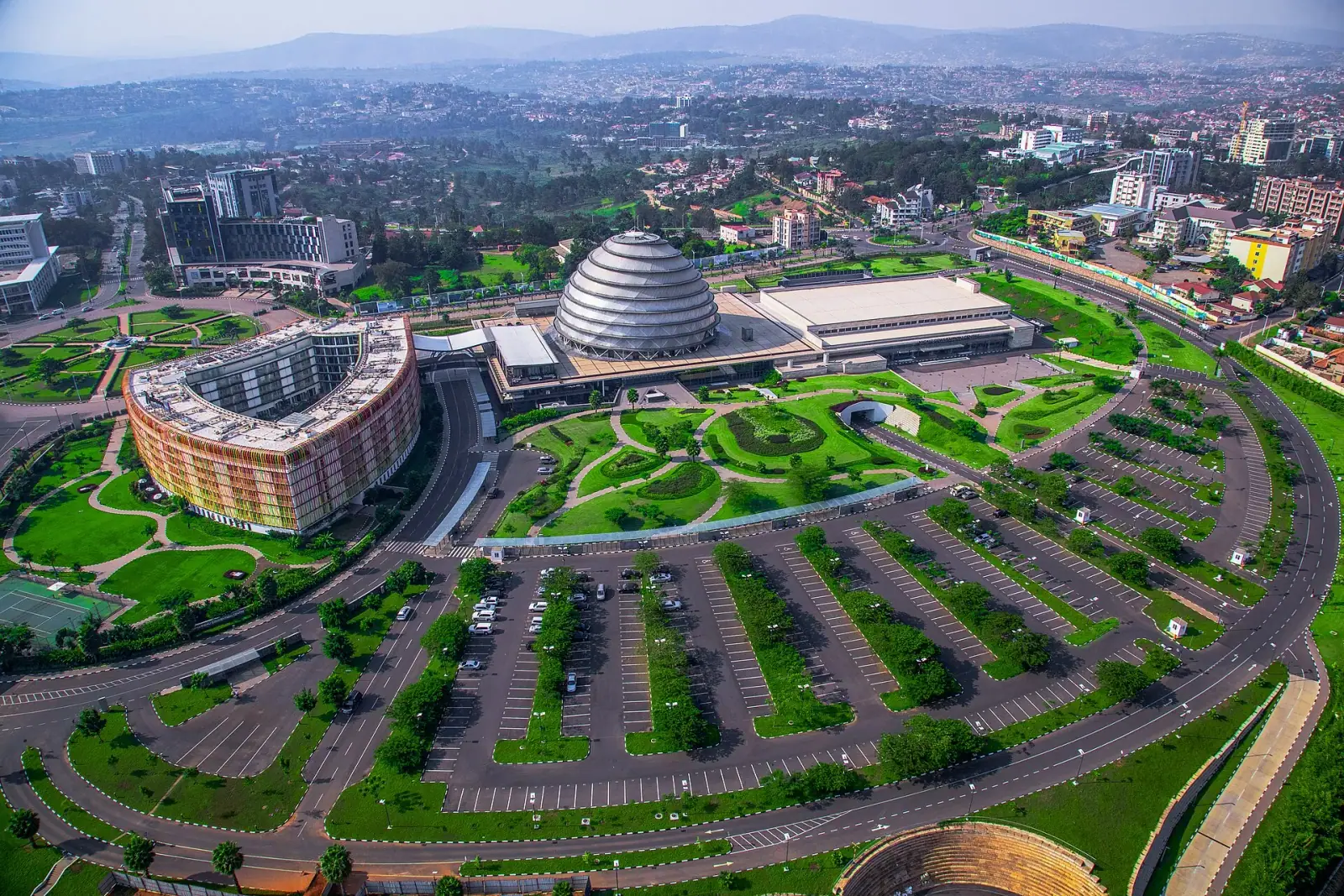
Kigali has a real coworking scene, not just a handful of hotel lobbies. Norrsken House Kigali is the flagship option: a 12,000sqm campus in the financial district near the Kigali Convention Centre, with fast Wi-Fi, private offices, hot desks, call booths, and a restaurant on site. Hot desks run roughly $25/day or $125/month. Westerwelle Startup Haus in Kimihurura operates from a full floor of the Fairview Building with 150 desks, a makerspace, and strong community ties to the startup scene. Impact Hub Kigali in Kiyovu is smaller and more community-focused, with daily and weekly passes available.
Cafe working is genuinely viable. Rubia Coffee Roasters in Kimihurura is a specialty roastery ranked among the world's top 100 coffee shops, with reliable Wi-Fi and a calm atmosphere suited to a full workday. Question Coffee in Gishushu has a garden, plenty of plugs, and a dedicated following among laptop workers. Inzora Rooftop Cafe in Kacyiru offers panoramic city views from atop the Ikirezi Bookstore building.
Wi-Fi quality is better than most of sub-Saharan Africa. Coworking spaces and upscale cafes deliver consistent connections. Budget cafes and shared accommodation can be patchier, so test before committing. Fiber is available in residential areas through providers like Liquid Home if you rent for more than a couple of months.
Getting Around
Kigali is a hilly city and not particularly walkable between neighborhoods, but within a given area you can get around on foot comfortably. Most nomads rely on a mix of moto taxis (motorcycle taxis locally called boda bodas), ride-hailing apps, and the city bus network.
Moto taxis are fast, cheap ($0.50-1.50 for short rides), and ubiquitous. Helmets are required by law and are provided. Use the Yego or Move apps to avoid price haggling, or agree the fare before you get on if flagging one down manually. Bolt operates in Kigali for car rides and is reliable. City buses cover most major routes for under $0.50 per trip but can be crowded during peak hours.
The airport (Kigali International Airport, KGL) sits about 10km from the city centre. A Bolt ride costs roughly $3.50-6. A moto from the airport runs $1-1.50 if you travel light. Agree the price first and avoid unmarked private taxis that tout aggressively at arrivals.
Sorting transport? Book an airport transfer, or compare car rental on Auto Europe and QEEQ.
Visas and Staying Long-Term
Rwanda has one of Africa's most open visa policies. Citizens of most countries can obtain a free visa on arrival valid for 30 days. Commonwealth, African Union, and La Francophonie member country nationals get this automatically without a fee. EAC (East African Community) citizens can stay up to 6 months visa-free. Citizens of a handful of countries including Singapore, Qatar, Mauritius, and the Philippines enjoy 90-day visa-free stays.
For everyone else, the standard e-Visa is available online before travel and costs $50 for 30 days. Tourist visas can be extended once for an additional 30 days at the Directorate of Immigration in Kigali. There is no formal digital nomad visa as of mid-2026, though Rwanda has been updating employment regulations to be more accommodating of remote workers. For stays beyond 60 days, most nomads chain trips or look into a long-term work permit.
Best Time to Visit
Kigali sits at about 1,500m elevation, which keeps temperatures moderate year-round: average highs around 25-27C (77-81F) with cool evenings. You will not deal with oppressive heat. The bigger variable is rain.
Rwanda has two dry seasons and two rainy seasons. The long dry season from June to mid-September is the most comfortable window: clear days, reliable power, and easier movement around the city. December through February is the short dry season and also a solid choice. The long rains from March to May are heavy and persistent; the city stays functional but flooding can disrupt some areas. October-November brings a shorter rainy spell.
For remote work, June-August is the sweet spot: stable weather, no power interruptions from storms, and plenty of other nomads and expats in town for company.
Pros and Cons
- Genuinely safe capital: Kigali consistently ranks as one of Africa's safest cities, with low violent crime and a visible, professional police presence.
- Exceptional cleanliness: The city's ban on plastic bags and monthly community cleaning days keep it visibly cleaner than any comparable African capital.
- Strong infrastructure: Reliable electricity, decent roads, functional coworking, and steadily improving broadband.
- English widely spoken: Rwanda shifted to English as a primary language of education in 2009, so most professionals and service staff speak it well.
- Easy visa entry: Arriving without pre-arranged paperwork is genuinely straightforward for most passport holders.
- Growing expat and tech community: Norrsken House and Impact Hub anchor a real ecosystem of founders and remote workers.
- Not cheap by African standards: Rent and imported goods are expensive relative to neighbors like Uganda or Tanzania.
- Limited nightlife: The social scene is quieter than Nairobi or Lagos; options exist but thin out quickly outside Kimihurura.
- Hilly and spread out: You will rely on motos or apps constantly; walking between neighborhoods is impractical.
- No long-stay nomad visa: Staying beyond 60 days requires planning and repeated extensions or exit trips.
- Fewer direct flights: Getting to Kigali from outside Africa usually involves a layover; RwandAir connects well within Africa but options to Europe and beyond are limited.
Who Kigali Is Best For
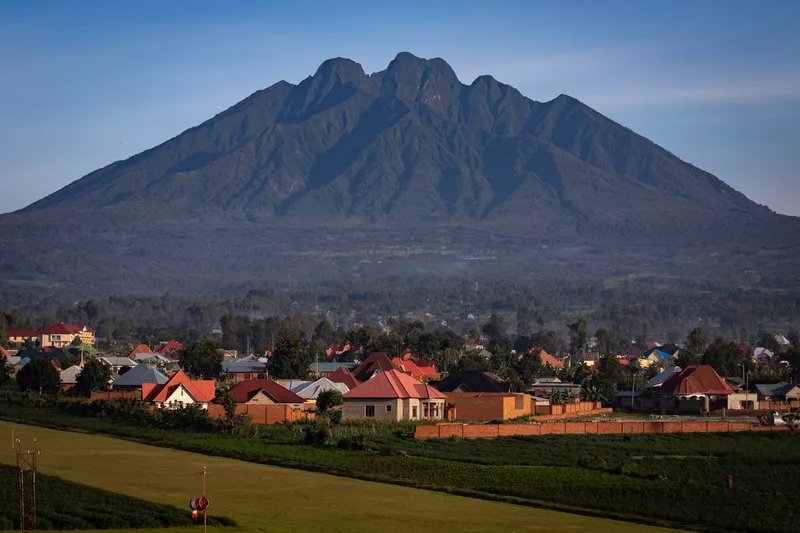
Kigali works well for nomads who want a calm, orderly African base with solid infrastructure and minimal hassle. If you are tired of chaotic capitals and want a city where things actually work, the streets are clean, and you feel safe walking around after dark, Kigali is a genuine standout on the continent. It suits people interested in East Africa's startup and tech scene, gorilla trekking as a side trip to Volcanoes National Park, or working through African time zones without the noise and friction of larger hubs like Nairobi or Lagos.
Skip Kigali if you need a budget stretch: with rent starting at $350 and imported food costly, it punches above its weight financially compared to Southeast Asian alternatives. It is also not the right fit if you prioritize a buzzing nightlife scene, a large established nomad community, or frequent cheap international flight connections. And if you need visa certainty for a multi-month stay, the absence of a dedicated nomad visa means more logistical overhead than many competing destinations.