Cost of Living in Sihanoukville
Real market data
Source: Numbeo · August 2026
$800/moSolo nomad1-bed centre + living costs
$1,130/moCoupleshared 1-bed + costs
$700/moLean / localcheaper area + costs
- 1-bed rent, city centre$400
- 1-bed rent, outside centre$300
- Monthly costs excl. rent (1 person)$400
- Meal, inexpensive restaurant$4
Prices are from Numbeo (August 2026), already in US dollars. The monthly living-costs figure is our transparent one-person basket, groceries, a few meals out, utilities, phone, internet, transport and essentials, priced from those figures. Solo adds central rent; couple and lean are estimates from the same numbers.
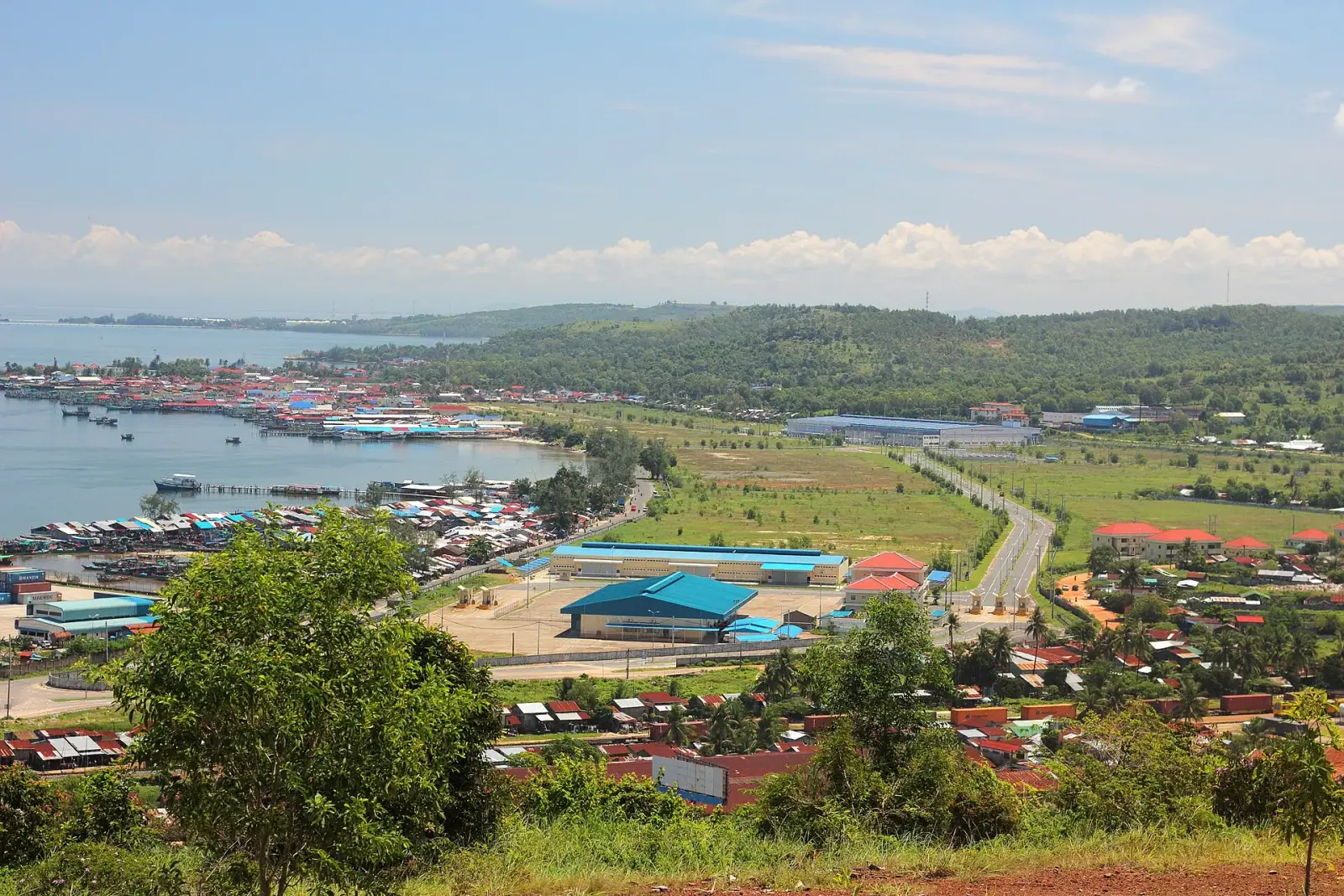
Sihanoukville sits at the cheaper end of Southeast Asian coastal cities, though prices have climbed since the Chinese investment boom of the late 2010s and have not fully retreated. Expect to pay in US dollars almost everywhere; the Cambodian riel (KHR) is used for small change at roughly 4,100 KHR to the dollar.
- Rent, central area (Serendipity Beach, Downtown): $300-500/month for a furnished studio or basic one-bedroom apartment. Quality varies enormously.
- Rent, cheaper area (Otres Beach, outskirts): $200-350/month. Otres has quieter guesthouses and longer-stay bungalows that can be negotiated down significantly.
- Groceries (local market + some imports): $80-150/month. Local fruit, vegetables, and fresh seafood are inexpensive; imported goods from Western supermarkets cost significantly more.
- Eating out, local Khmer restaurants: $1.50-4 per meal. Street noodles and fried rice start at around $1-2.
- Eating out, Western-oriented restaurants: $5-12 per meal.
- Coworking hot-desk: approximately $60/month or $5-8 per day drop-in.
- Local transport (moto taxis via Grab or PassApp): $1.50-3 per ride within town.
- SIM card with mobile data (4G): $5-10/month for ample data.
- Utilities (electricity, water, for an apartment): $30-80/month. Electricity is expensive in Cambodia, especially with air conditioning running constantly.
Total monthly range: A frugal remote worker eating mostly local food and renting cheaply can get by on $600-800/month. A comfortable lifestyle with a decent apartment, occasional Western meals, and reliable coworking runs $900-1,400/month.
Where to Work
Sihanoukville is not a strong coworking city. The coworking scene is minimal compared to Phnom Penh or Siem Reap, and the cafe-work culture is thin. That said, you can get work done if you plan around it.
The Workshop Space is the main dedicated coworking option in the city. It functions as a 24-hour cafe with a front cafe area, private desk room, conference table, and open-air rooftop. It suits focused work sessions and offers reliable WiFi, power outlets, and a relaxed atmosphere. A hot desk runs around $60/month or is available daily.
A handful of Western-oriented cafes tolerate laptop workers, particularly in the Serendipity Beach area, but table turnover pressure increases in peak hours. Otres Beach has a slower pace and a few beach bars where you can work mornings before it gets busy, though power outlets are scarce and WiFi is inconsistent.
WiFi reality check: Fixed-line fiber internet in apartments is generally reliable. Public WiFi in cafes and restaurants is more variable. If you need rock-solid connectivity for video calls, a local SIM with a Smart or Metfone 4G data plan as a backup is a sensible move. 4G coverage in the city centre and beach areas is good.
Getting Around
Sihanoukville is not particularly walkable. The city is spread out across several beach areas and a commercial downtown, with gaps of several kilometres between zones. Walking in the midday heat is punishing, and footpaths are incomplete in many areas.
Ride-hailing apps: Grab and PassApp both operate in Sihanoukville. Grab is the more reliable option; it allows card payment and eliminates fare disputes. A typical ride across town costs $1.50-3. Using the apps is strongly recommended over hailing tuk tuks on the street, where fixed-price cartels are common and fares for foreigners can be inflated.
Motorbike rental: Available from around $5/day for a manual and slightly more for an automatic. Renting a motorbike gives you real freedom across the beach areas. Be aware that some shops hold passports as collateral and traffic police occasionally target foreigners. Check your travel insurance covers motorbike riding before you go.
Getting to/from the airport: Sihanoukville International Airport is about 20 km from the city centre. A Grab or negotiated taxi costs $10-18. Budget around 30-45 minutes depending on traffic.
Sorting transport? Book an airport transfer, or compare car rental on Auto Europe and QEEQ.
Visas and Staying Long-Term
Most Western passport holders can obtain a Tourist Visa (T-class) on arrival or via Cambodia's official e-visa portal for $30. This gives you 30 days on arrival. You can extend a tourist visa once for an additional 30 days, giving you a maximum of 60 days. After that, you need to leave and re-enter or switch visa types.
For longer stays, the Ordinary Visa (E-class) is the standard long-term option for digital nomads. It costs $35 on arrival and can be extended in-country for one, three, six, or twelve months at a time. A twelve-month extension typically costs around $290-300 and does not require proof of employment or sponsorship. This is the de facto nomad solution in Cambodia.
Cambodia does not currently offer a dedicated digital nomad visa. Border runs to Thailand or Vietnam are common among those who prefer tourist visa cycles, though they add cost and time.
Best Time to Visit
Sihanoukville has a tropical climate with two clear seasons. The dry season runs from November to early May, and this is when the city is at its best for remote workers. Skies are clear, humidity is lower, and the Gulf of Thailand coast is calm and swimmable.
The sweet spot for remote work is November through February. Temperatures sit around 27-30 degrees Celsius, rain is rare, and you can comfortably move between your accommodation, a coworking space, and the beach without being drenched. This window also brings the most tourists, so prices for short-stay accommodation rise and the beach areas are busier.
The wet season runs from May to October. Rain typically falls in heavy afternoon downpours rather than all day, so morning work sessions are unaffected. July and August are the wettest months. Accommodation rates drop noticeably in the wet season, which can make it viable if you are budget-focused and do not mind occasional disruption. The seas are rougher and some beach bars close or reduce hours. Connectivity and power outages become marginally more common during heavy storms.
Pros and Cons
- Pro: Low cost of living, especially for accommodation and local food.
- Pro: Beautiful beaches within minutes of any accommodation.
- Pro: E-class visa allows indefinite renewable stays with no employer sponsorship required.
- Pro: 4G mobile data is cheap and covers the main areas well.
- Pro: Easy ferry access to the islands of Koh Rong and Koh Rong Samloem for weekend escapes.
- Con: Safety concerns are real and documented. Petty crime, scam compounds, and sexual assault incidents have been reported, particularly at night around beachfront areas.
- Con: The coworking and laptop-cafe scene is underdeveloped compared to other Southeast Asian nomad cities.
- Con: The city has an unfinished, chaotic character from years of rapid and often abandoned Chinese-funded development. Unlit streets, incomplete buildings, and inconsistent infrastructure are common.
- Con: Limited nomad community. Most remote workers heading to Cambodia choose Phnom Penh or Kampot instead.
- Con: Healthcare is limited; serious medical issues require travel to Phnom Penh.
- Con: Nightlife is increasingly dominated by Chinese-oriented karaoke and casino venues rather than the backpacker bar scene of a decade ago.
Who Sihanoukville Is Best For
Sihanoukville works best for self-sufficient solo nomads who already know they want to be based on Cambodia's coast, can work reliably on a home internet connection rather than needing a buzzing coworking scene, and are comfortable taking sensible precautions around personal safety. If your ideal setup is a beachside apartment with fast home WiFi, cheap local food, and easy ferry access to nearby islands on weekends, Sihanoukville can deliver that at a low monthly cost.
It also suits nomads who are already using the Cambodian E-class visa and want a quieter alternative to Phnom Penh for part of their stay. The low rent and food costs reward those who commit to a month or more rather than passing through.
Skip Sihanoukville if you need a reliable coworking community or regular nomad meetups, you are uncomfortable navigating a city with documented safety issues, you want strong healthcare access, or you prefer a more polished urban environment. In those cases, Phnom Penh, Kampot, or Siem Reap are more suitable bases in Cambodia.