Cost of Living in Saint Helier
Where this figure comes from. No cost survey covers Saint Helier, so the $2,600 a month above is our own estimate rather than a measurement. On 416 of our 999 city guides the figure is built from a published Numbeo basket, a one-bedroom rent in the centre plus one person's monthly costs without rent, converted to USD; this city is not one of them. How we source everything.
Budget around $2,600 a month, and Jersey is genuinely expensive. A one-bedroom runs roughly $1,400 to $2,000, and housing is tightly controlled: the island operates a residential qualification system that restricts what most newcomers may rent or buy, which pushes new arrivals into a smaller and pricier part of the market. Groceries cost more than mainland Britain because everything ships in, though the island's own dairy, potatoes and seafood are excellent. Eating out is expensive. Income tax is a flat twenty per cent with no capital gains or inheritance tax, which is the reason a great deal of money is here. The tax picture has two footnotes the headline rate omits: a goods and services tax applies at a low rate on most purchases, and social security contributions are levied separately and are not trivial for the self-employed. On housing, the part of the market open to newcomers is largely lodging and shared accommodation rather than whole flats, which is a different product at a similar price. Travel is the recurring cost that catches people, since every trip off the island is a flight or a ferry and fares rise sharply through the summer.
Where to Work in Saint Helier
Connectivity is outstanding. Jersey rolled out fibre to every property on the island years ahead of most of Europe, and gigabit connections are standard rather than premium. Mobile coverage is complete and power is entirely reliable. There is a real coworking scene serving the finance and digital sectors, and Digital Jersey runs a hub in St Helier. The time zone is the same as London, including daylight saving, so working with the United Kingdom is seamless and Europe is an hour away. This is one of the best-connected small islands anywhere. The constraint here is regulatory rather than technical, and it is the mirror image of the infrastructure. Starting a business or taking on staff generally requires a licence under the island's control of housing and work law, granted according to what the government judges the island needs, so the question is not whether you can get online but whether you are permitted to trade. Jersey maintains its own data protection regime aligned with European standards, which is one reason the digital and finance sectors here serve European clients without friction.
Getting Around Saint Helier
St Helier is walkable and the island is only about fifteen kilometres across, so a bicycle covers most of it, helped by the green lanes where vehicles are limited to twenty five kilometres an hour and give way to walkers and cyclists. LibertyBus runs a decent network. Driving is easy but parking in St Helier is a permanent irritation and uses a paycard system. Jersey Airport connects to London, Southampton, Manchester and several European cities, and ferries run to Saint-Malo, Guernsey and Poole. Anyone driving should know that the island's speed limits are low even by British standards, topping out at about sixty four kilometres an hour, and are enforced. Filter in turn, marked at junctions with a yellow box and a sign, requires each vehicle to take strict alternate turns, and getting it wrong is the fastest way to identify yourself as a visitor. The Saint-Malo ferry makes France a day trip rather than a holiday, which is a genuine feature of living here. There are no motorways on the island and no need for any.
Sorting transport? Book an airport transfer, or compare car rental on Auto Europe and QEEQ.
Visas for Saint Helier
Jersey is a Crown Dependency, not part of the United Kingdom and not part of the European Union, with its own immigration rules that broadly mirror British ones. Most visitors who can enter the United Kingdom can enter Jersey, and the Common Travel Area means no routine passport check arriving from Britain. Working is a different matter: Jersey controls employment tightly through a registration card system tied to residential status, and taking a job without the right permission is not possible. There is no remote work visa. Anyone planning to stay longer than a visit should resolve the housing qualification first, since it determines what may be rented and is not something an employer can waive. The system has names worth knowing, because everything else follows from which one applies. Registered is where a newcomer starts, Licensed is granted to an employee the island has decided it needs, Entitled to Work usually arrives through marriage or long residence, and Entitled, the full status, generally takes ten years of continuous residence. Each tier unlocks more of the housing market. None of it is quick, and all of it is administered by the island rather than by any British authority.
Best Time to Visit Saint Helier
May to September is the season, with temperatures around twenty degrees, long evenings and the beaches at their best. Jersey has the mildest climate in the British Isles and the second largest tidal range in the world, around twelve metres, which means the island grows by roughly a third at low tide and the seabed at Seymour Tower is walkable with a guide. Winter is mild but wet and windy, and the tourist infrastructure thins considerably. Late spring is when the island looks best, before the summer crowds arrive. Anyone visiting in summer should book the Ecrehous or Minquiers boat trips early, since the offshore reefs are only reachable on certain tides and the operators are few. Liberation Day on the ninth of May marks the end of the German occupation and is the island's national day, observed seriously rather than as a pretext for a long weekend. The Battle of Flowers in August is the largest event of the summer and fills whatever accommodation is not already taken. Between the two, late May and June give the best combination of weather, daylight and space, before the school holidays arrive.
Pros and Cons of Saint Helier
Jersey puts exceptional infrastructure on a small, safe, mild island, with gigabit internet everywhere, low tax, excellent seafood, beaches and cliff paths, and an hour to London. Cost is the first objection and control the quieter one. Housing is expensive and rationed by a qualification system that treats most newcomers as temporary, the island is small enough to feel closed after a while, and the finance industry dominates the economy and much of the conversation. The German occupation of 1940 to 1945 is still a live part of the island's memory. Jersey is not in the National Health Service, so seeing a doctor costs money at the point of use, and insurance or a budget for it is a requirement rather than an optional extra. Hospital care is largely funded and general practice is not. The island's finance industry also draws sustained external scrutiny over tax transparency, which is part of the background of living here and shapes how the place is discussed elsewhere, whatever view you take of the substance.
Who Saint Helier Is For
Jersey suits people working in finance, law or digital services who want a low-tax base with British systems, and anyone with a family who values safety and schools. It suits sea swimmers, cyclists and walkers. Arriving without a job or a housing route is close to futile, because the residential qualification system decides what a newcomer is allowed to rent and it decides against most of them. Anybody looking for a cheap island is also in the wrong part of the Channel. Occupation history is unusually complete on this island. The Jersey War Tunnels and the coastal fortifications together form some of the most intact Atlantic Wall remains surviving anywhere in Europe. The sequence matters more here than almost anywhere: the job comes first, the licence follows the job, and the housing follows the licence, so anyone planning it in reverse stalls at the first step. A purely remote worker with no local employer has no route in beyond a visit, which is the honest answer to the question this site usually asks. Anyone comparing the Channel Islands will find Guernsey quieter and cheaper under a similar system, and the Isle of Man wilder and further from France.
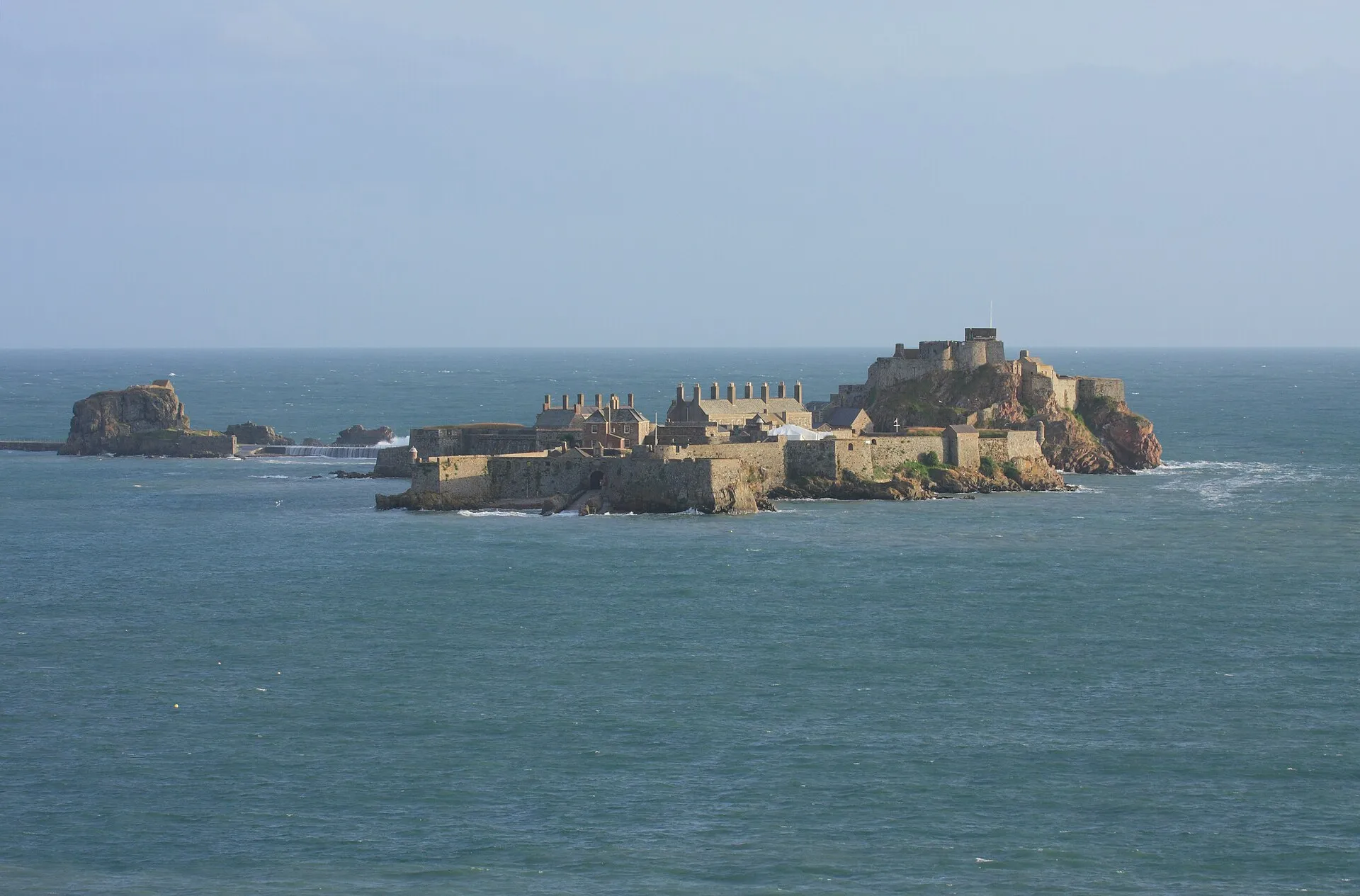 Photo: Dan Marsh / Wikimedia Commons (CC BY 3.0)