Cost of Living in Dali
Where this figure comes from. No cost survey covers Dali, so the $800 a month above is our own estimate rather than a measurement. On 416 of our 999 city guides the figure is built from a published Numbeo basket, a one-bedroom rent in the centre plus one person's monthly costs without rent, converted to USD; this city is not one of them. How we source everything.
Dali is one of China's more affordable bases, and a big reason it has drawn slow-living wanderers and Chinese remote workers for years. A comfortable solo budget lands somewhere around $800 to $1,300 a month, with frugal long-stayers managing closer to $700 by cooking at home and renting outside the busiest old-town lanes. Rent is the swing factor: a modest studio or guesthouse room runs cheaply by Western standards, while a lake-view apartment in a trendy village costs more. Everyday life is where Dali shines, with cheap local food, low transport costs, and inexpensive markets. Prices below are editorial estimates and vary by season and neighborhood.
- Private room or small studio: roughly $200 to $450 per month
- Local meal at a Bai or Yunnan eatery: about $2 to $5
- Coffee at a laptop-friendly cafe: around $3 to $5
- Monthly local SIM and data: roughly $10 to $20
- Bicycle or e-bike rental for lakeshore trips: a few dollars a day
Where to Work in Dali
Let's be honest about the elephant in the room: China's Great Firewall. Many Western tools you rely on, including Google services, WhatsApp, Instagram, and much of the wider web, are blocked or unreliable, so a working VPN installed before you arrive is close to essential. With that caveat, Dali is a surprisingly pleasant place to get work done. Local internet is decent, guesthouses and cafes generally offer usable wifi, and mobile data on a local SIM is fast and cheap. The real draw is atmosphere: Dali has a genuinely mellow, work-friendly cafe scene by Chinese standards, with unhurried courtyards where nursing a coffee over a laptop is normal.
- Install and test a reputable VPN before entering China; do not rely on setting one up after arrival
- Buy a local SIM for reliable, cheap mobile data as a backup connection
- Cafes and guesthouse courtyards are the default workspaces; dedicated coworking is limited but present
- Video calls to Western platforms can be patchy even with a VPN, so build in buffer time
Getting Around Dali
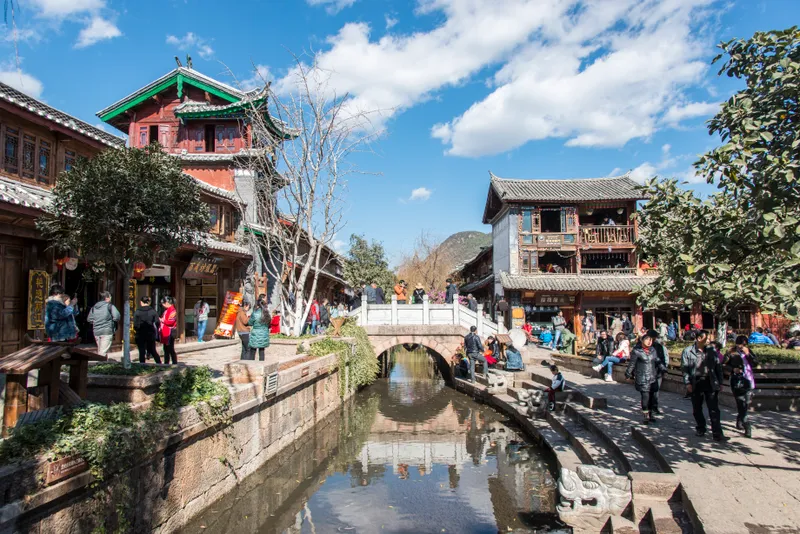
The walled Dali Old Town (Gucheng) is compact and pedestrian-friendly, so most days you will simply walk its cobbled streets. For anything further, bicycles and e-bikes are the local favorite, ideal for cruising the Erhai lakeshore and its string of Bai villages. City buses and the DiDi ride-hailing app cover longer hops, including the roughly half-hour trip down to Xiaguan (New Dali), where the modern transport hubs sit. Dali is well connected regionally: the high-speed rail links to Kunming, Lijiang, and beyond, while Dali airport (DLU) offers flights toward Kunming, Lijiang, and Shangri-La. Boats and lakeside e-bike paths make circling Erhai a genuine pleasure. Note the mild altitude of about 1,975 meters. A car-free path, the lake's Ecological Corridor, now follows much of the shore, so long stretches of the roughly 130 km loop can be ridden without sharing the road with traffic. Trains from Dali station reach the provincial capital in about two hours and the next old town to the north in about 90 minutes, quick enough for a weekend away without giving up a monthly room.
- Old Town: walkable, largely pedestrian, cobbled lanes
- Erhai lakeshore villages: bicycles and e-bikes are the classic way to explore
- Longer trips and hubs: buses and DiDi to Xiaguan, plus high-speed rail and Dali airport (DLU)
- Altitude is a gentle ~1,975m, noticeable on climbs but rarely a real problem
Sorting transport? Book an airport transfer, or compare car rental on Auto Europe and QEEQ.
Visas for Dali
China is one of the more demanding countries for entry, and Dali is no exception since it follows national rules. Getting to Dali for a month is simpler than it was: China lets citizens of about 50 countries, among them most of Europe, the UK, Canada, Australia, New Zealand, Japan and South Korea, stay up to 30 days without a visa, a concession that currently runs to 31 December 2026. US citizens are not on that list and need a tourist (L) visa arranged in advance, typically requiring an application, supporting documents, and sometimes an itinerary or hotel bookings, or the 240-hour transit exemption when continuing to a third country. Longer stays generally mean navigating a more formal process, and overstaying is taken seriously. For a remote worker, the practical takeaway is to plan your visa well ahead and keep documentation tidy.
- Most European, UK, Canadian and Australian passports enter visa-free for 30 days
- US citizens need a tourist (L) visa or the 240-hour transit exemption
Best Time to Visit Dali
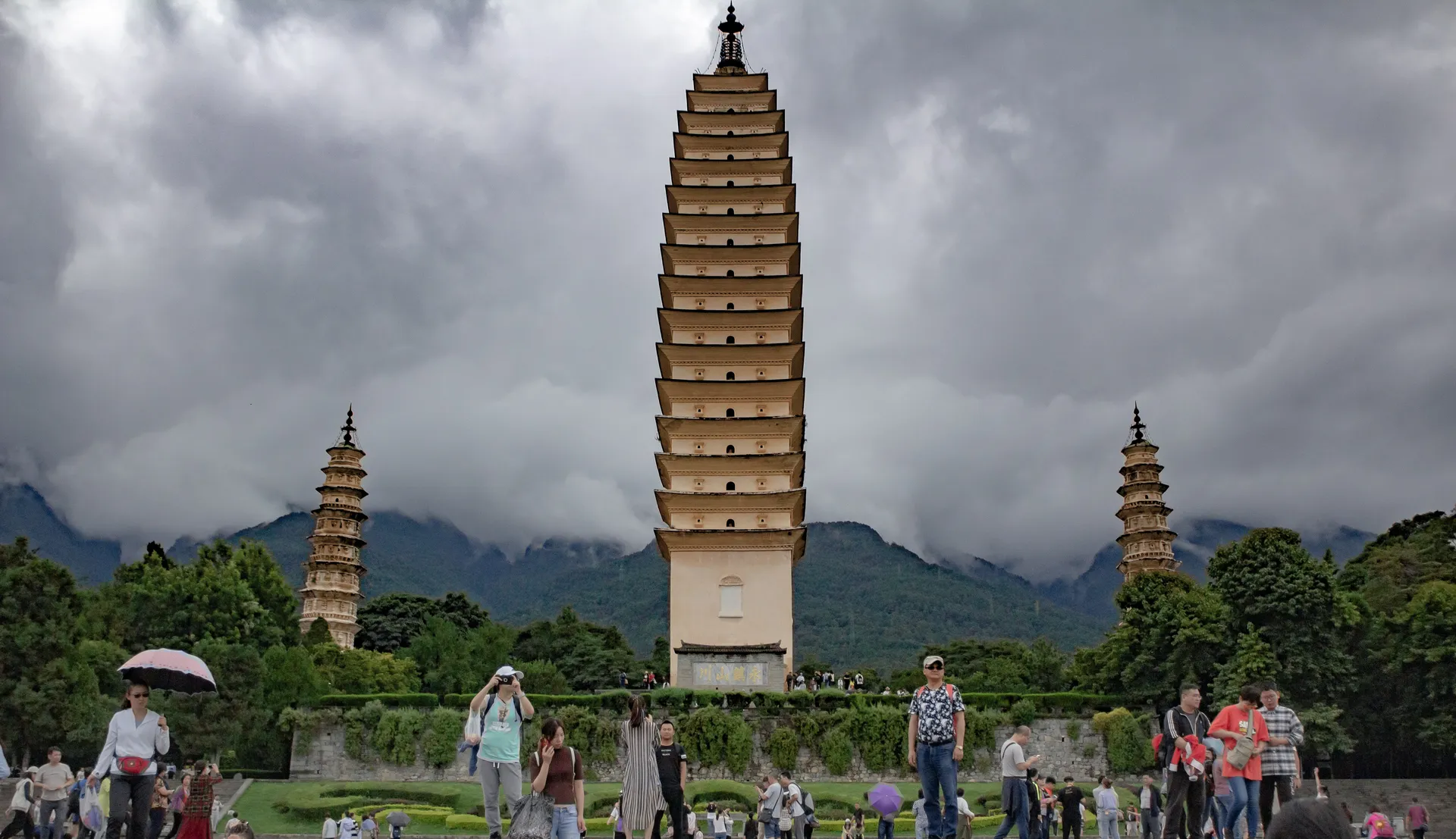
Dali's climate is one of its quiet luxuries, mild and spring-like for much of the year thanks to the altitude and latitude. Spring and autumn are the sweet spots: think clear skies, comfortable temperatures, and the famous "wind, flowers, snow and moon" that locals use to sum up Dali's scenery. Summer is the greener rainy season, lush around the lake and mountains but with regular showers and more domestic tourists. Winter is dry and sunny with pleasant days but genuinely cold nights, so pack warm layers if you come then. Whenever you visit, expect Chinese public holidays to bring crowds into the old town. The dry season has a catch the postcards leave out: the months from about December to April are also the windy ones, when gusts pour down the valley from Xiaguan, the wind in that famous four-part phrase, and cycling the lakeshore into a headwind turns into a workout. Two Bai festivals are worth timing a stay around: the Third Month Fair, a week of market stalls and horse racing below the Cangshan range west of the old town around April, and the Torch Festival in midsummer, when villages light bonfires after dark.
- Spring and autumn: mildest, clearest, and the most reliably pleasant
- Summer: green and lush but wetter, the rainy season
- Winter: dry and sunny days, cold nights, bring layers
- Avoid major Chinese holidays if you dislike crowds
Pros and Cons of Dali
Dali rewards a certain kind of traveler and frustrates others, so it pays to go in clear-eyed. On the upside, it is scenic, affordable, and unusually laid-back, with a real if small alternative and nomad scene, a rich Bai cultural backdrop, and mountains and a lake on your doorstep. On the downside, the Great Firewall complicates online life, English is limited, China's visas are relatively hard work, and the old town core is touristy and can feel commercialized. The altitude is mild but present. For many, the trade-offs are well worth it; for others, the connectivity and language hurdles are dealbreakers. Weigh what matters most to your work and lifestyle.
- Pros: low cost, gorgeous mountain-and-lake setting, mellow bohemian vibe, genuine Bai culture
- Pros: a real alternative and slow-living community by Chinese standards
- Cons: Great Firewall and VPN dependence, limited English, demanding visas
- Cons: the old-town core is touristy and commercialized in parts
Who Dali Is For
Dali suits the slow-living, nature-loving nomad who values atmosphere over convenience and does not need a flawless connection to blocked Western platforms every hour. If you are drawn to a mellow bohemian old town, cheap living, a lake and mountains for weekend escapes, and a community of like-minded wanderers, Dali can be a dream base. It is less ideal if your work depends on constant, high-stakes video calls to Western services, if you need lots of English-language support, or if you dislike navigating bureaucracy and touristy zones. In short, it favors the adaptable, patient, and curious traveler who treats China's quirks as part of the adventure rather than a burden.
- Great for: slow-living nomads, nature lovers, and culturally curious long-stayers
- Great for: budget-conscious remote workers who value vibe and scenery
- Less ideal for: those needing seamless Western connectivity or lots of English
- Less ideal for: travelers who dislike bureaucracy or touristy old towns