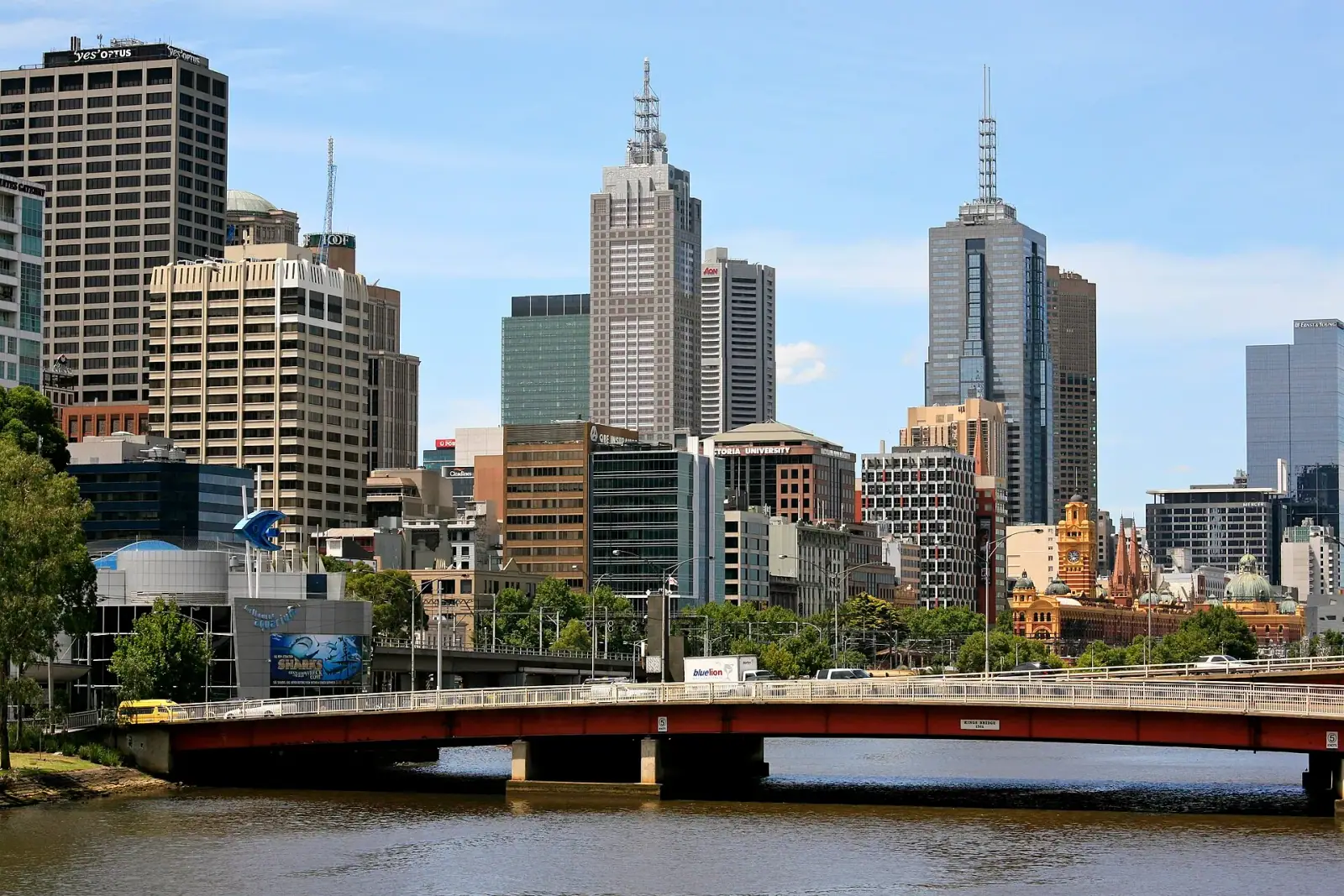
 Melbourne
 is the rainy, expensive one and Brisbane the dry, cheap one. That is the usual picture of these two cities, and both rain and rent run the other way.
Start with the rain. Brisbane gets about 1,048 millimetres a year, nearly twice the 601 that fall on central Melbourne. Yet it rains on about 83 days in Brisbane and 139 in Melbourne, and Brisbane collects some 600 more hours of sunshine. The two cities are wet in opposite ways. Melbourne's weather is a mood: drizzle, low cloud, a cold front that drops the temperature sharply, and the local joke about four seasons in one day. Brisbane's is an event. February alone can bring 182 millimetres, summer storms come with hail, and in 2014 the hailstones reached the size of cricket balls.
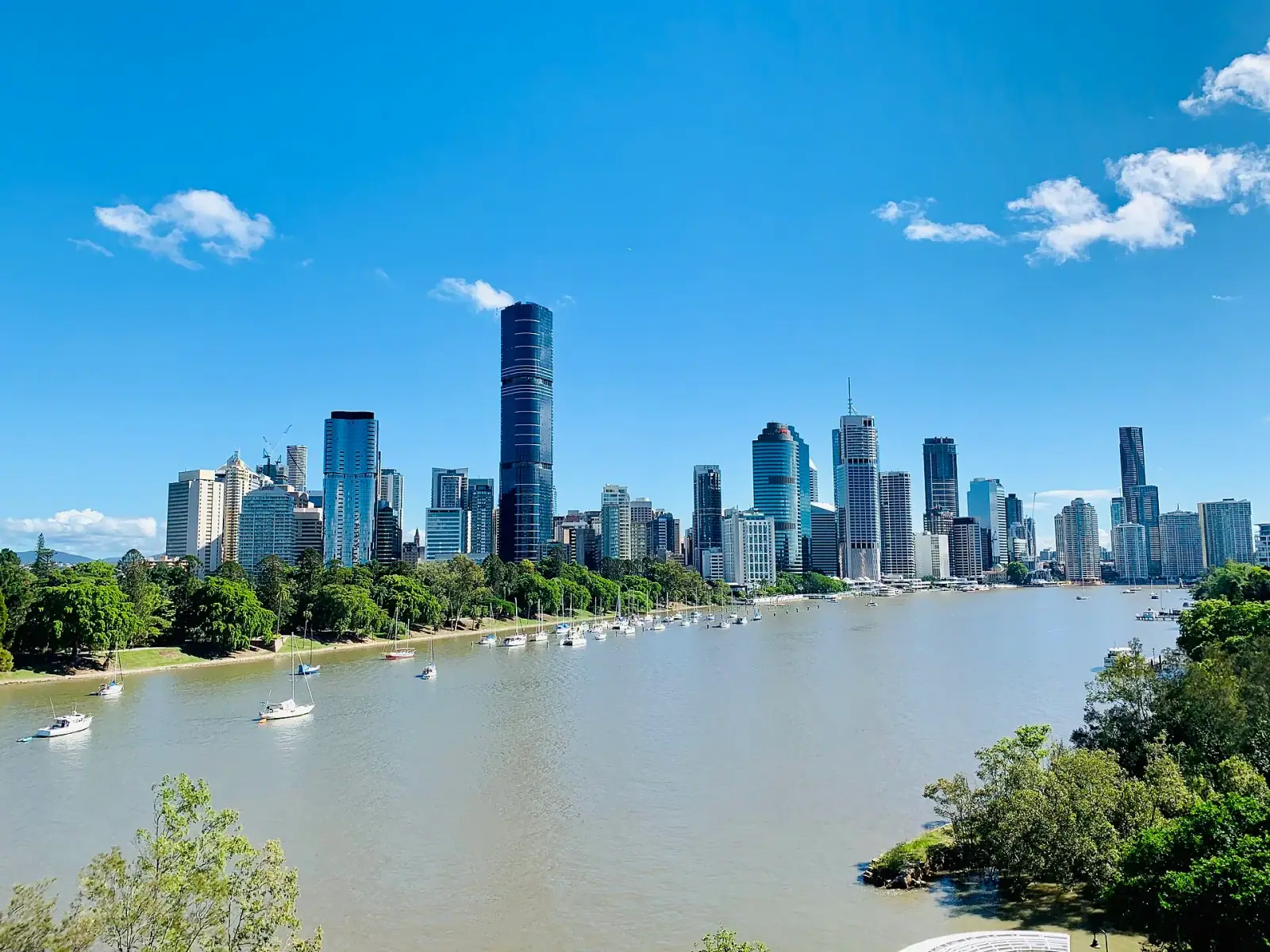
That has a practical consequence for where you sign. The Brisbane River flooded badly in 2011 and again in 2022, when one of the CityCat ferries sank. Before renting a riverside flat in West End or New Farm, ask what happened to that building both times. Melbourne's rain will spoil your walk, and rarely anything more.
Rent runs the wrong way too
Brisbane is the smaller city by far, with about 2.8 million people against Melbourne's 5.4 million, so you would expect it to be cheaper to rent in. It is not. Melbourne's median asking rent for a house, about $420 a week, has lately been the lowest of any Australian capital, while Brisbane's has been about $470, and vacancy there has stayed very tight.
Our estimate of a whole month still has Melbourne as the dearer place, at $4,000 against $3,500. Just do not assume that $500 will show up on your lease. Look at actual listings in both cities in the same week before you budget around it.
Getting around for very little
Here the two reputations hold up, in their different ways. Melbourne has the largest tram network in the world, about 250 kilometres of double track on 24 routes, free within the central zone, and the new Metro Tunnel has been running in full since February 2026. You can live in Carlton near the espresso bars of Lygon Street, or on Brunswick Street in Fitzroy, and rarely think about a car.
Brisbane's network is thinner and its big rail project, Cross River Rail, has slipped to about 2029. But every bus, train and ferry costs a flat 50 Australian cents, about 35 US cents, however far you ride. That includes the CityCat, which runs along the river from the university at St Lucia past South Bank and New Farm Park to Northshore, and makes a very good commute if your life happens to lie along it.
Where we would spend the year
We lean towards Melbourne, because its evenings give you more to do once the novelty has passed, and because a tram city suits someone with no office to go to. Its weakness is winter. In July it reaches about 14°C by day and sinks to 6°C at night, while Brisbane sits near 22°C in its driest stretch of the year.
So keep the Melbourne lease and take July and August in Brisbane on a short let. You will arrive for the best of its weather, and you will be gone well before the first storm of November.
 United States
 United Kingdom
 Germany
 Canada
 India