Cost of Living in Lusaka
Where this figure comes from. No cost survey covers Lusaka, so the $900 a month above is our own estimate rather than a measurement. On 416 of our 999 city guides the figure is built from a published Numbeo basket, a one-bedroom rent in the centre plus one person's monthly costs without rent, converted to USD; this city is not one of them. How we source everything.
Budget around $900 a month as a solo remote worker in Lusaka, which is moderate for southern Africa. A one-bedroom place runs roughly $300 to $600, with Kabulonga, Rhodes Park and the areas around the embassies at the top of that and the townships far below. Food from the markets is inexpensive and Zambia grows its own maize, vegetables and beef. Imported goods carry a markup and fuel prices have been volatile. The kwacha has weakened substantially over the last decade, which is worth knowing when reading older figures. This is our own estimate rather than measured data. Fibre runs about $50 to $90 a month and a coworking desk $80 to $150. The line that dominates any budget here right now is backup power: a solar and battery system capable of carrying a working day costs $1,500 to $3,000 up front, and a property that already has one commands a premium worth paying rather than negotiating over. Diesel for a generator is the alternative and works out more expensive within months. Rents in Kabulonga and Sunningdale carry a premium for security and generator capacity rather than for the houses themselves.
Where to Work in Lusaka
Lusaka's connectivity is reasonable: fibre reaches the better residential and commercial areas at workable speeds and mobile data from MTN, Airtel and Zamtel is widely used. The serious problem is electricity. Zambia depends on hydropower from Kariba, and the drought of 2024 pushed the country into load shedding measured in many hours a day, which is the single most important practical fact about working here right now. Anything serious runs on solar and batteries. There is a small coworking scene serving local startups. English is the official language and used throughout. Zambia sits two hours ahead of GMT, which gives a full European working day and a late-afternoon overlap with the American east coast. The Kariba shortfall is a structural problem rather than a bad year: the reservoir feeds both Zambia and Zimbabwe and its levels have been at or near record lows, so the rationing is expected to persist rather than resolve with one wet season.
Getting Around Lusaka
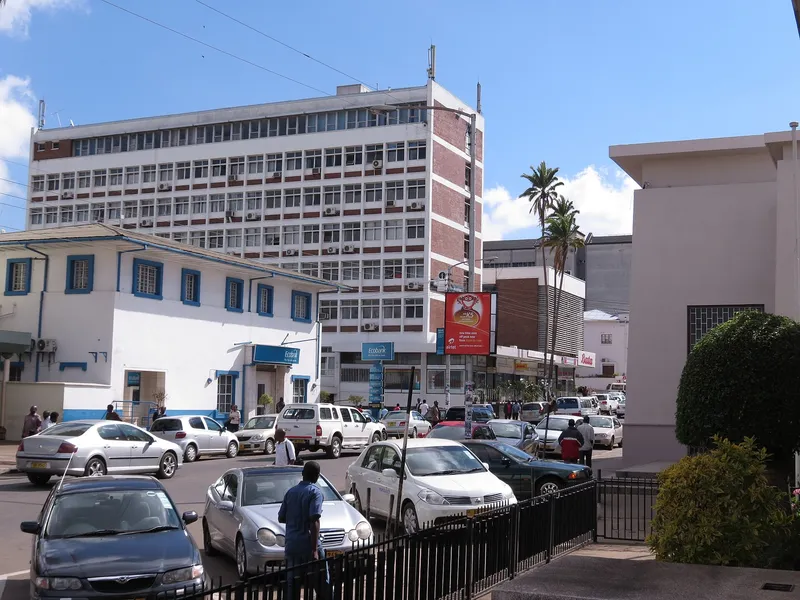
Lusaka spreads out along a few main arteries, with Cairo Road as the old commercial spine and the newer malls and offices scattered east and south. It is not a walkable city and the distances are real. Blue minibuses cover the routes cheaply and are how most people move, and ride-hailing works in the central areas. Most expatriates drive, on the left. Kenneth Kaunda airport is half an hour out with connections through Johannesburg, Nairobi, Addis Ababa and Dubai. South Luangwa, which invented the walking safari, is a long drive or a short flight east. South Luangwa is a nine-hour drive or a one-hour flight from Lusaka, and the Lower Zambezi is closer at around three hours by road. Both are seasonal, and the flights into the valley run to the camps' schedules rather than a public timetable. Traffic on the Great East Road at peak is severe enough that residents plan meetings around it rather than around distance.
Sorting transport? Book an airport transfer, or compare car rental on Auto Europe and QEEQ.
Visas for Lusaka
Zambia removed visa requirements for citizens of a substantial list of countries in 2022, including the United Kingdom, most of the European Union and the United States, so many visitors now enter free for up to ninety days. Everyone else uses the e-visa system or obtains one on arrival. The KAZA UniVisa, covering Zambia and Zimbabwe for thirty days, is the practical option for anyone based around Livingstone. There is no remote work visa. Longer stays require a permit through employment or investment, applied for locally. The visa-free list is genuinely broad now and covers most of the countries this site's readers hold passports from, but it has been revised more than once since 2022 and airlines occasionally lag the policy, so carrying a printout of the current position is sensible. Anyone entering overland from Zimbabwe at Victoria Falls or Kazungula should ask for the UniVisa by name, since it is not always offered. The exemption carries a condition that trips up one-way flyers: every visitor arriving by air, visa or not, must hold a valid return ticket, so landing at Kenneth Kaunda to test the city still means booking the way out. A further waiver from January 2025 added 53 nationalities and took the exempt list to 167.
Best Time to Visit Lusaka
May to August is the cool dry season and the most comfortable, with daytime temperatures in the mid twenties at Lusaka's 1,280 metres and cold nights. September and October are hot and dry, reaching the mid thirties, and are also the best months for wildlife viewing as animals concentrate around the remaining water in South Luangwa. The wet season from November to April brings heavy afternoon storms and turns the country green, and many safari camps close entirely between January and March because the roads become impassable. Anyone planning a safari should note that the walking-safari season in South Luangwa runs roughly June to October and the camps simply close outside it. Kariba's water level is now part of the seasonal calculation as much as the rain is: a poor wet season means deeper load shedding through the following year, which is a planning factor for a stay rather than a background detail. Lusaka sits high enough that June and July nights drop to single figures, which surprises people who expect uniform African warmth.
Pros and Cons of Lusaka
Lusaka is a functional, safe-enough African capital with English throughout, a mild highland climate, and access to South Luangwa and the Lower Zambezi, two of the best and least crowded safari destinations on the continent. Costs are moderate and the country is politically stable by regional standards. The load shedding driven by the Kariba drought is severe and has been for over a year, the city itself is sprawling and hard to cross and short on character, there is no nomad community, and petty crime requires ordinary urban caution. The city is also the natural hub for the region, with better flight connections than Lilongwe, Harare or Gaborone and a more stable currency than Zimbabwe's. Zambia has been through several peaceful transfers of power at the ballot box, which is unusual enough in the region to be worth stating, and the 2021 election and the debt restructuring that followed are the context for the country's current economics.
Who Lusaka Is For
Zambia as a base for the parks rather than for the capital, which needs English, a stable country, and an investment in solar and batteries before anything else. Anyone in conservation, mining or development will find real professional depth. Work that cannot survive a scheduled outage will struggle in a country where load shedding has run for hours at a stretch, and the city itself is spread out and functional rather than walkable or full of character. Treat Livingstone and the falls, six hours south, as the other half of what the country offers. Livingstone is smaller and prettier; Lusaka is where the work, the flights and the hospitals actually are. Mining and its supply chain are the professions this capital genuinely accommodates. Zambia is Africa's second-largest copper producer, and the Copperbelt's professional network is administered from here rather than from the mines themselves. Choosing between the two is really a choice between earning a living and looking at the country.
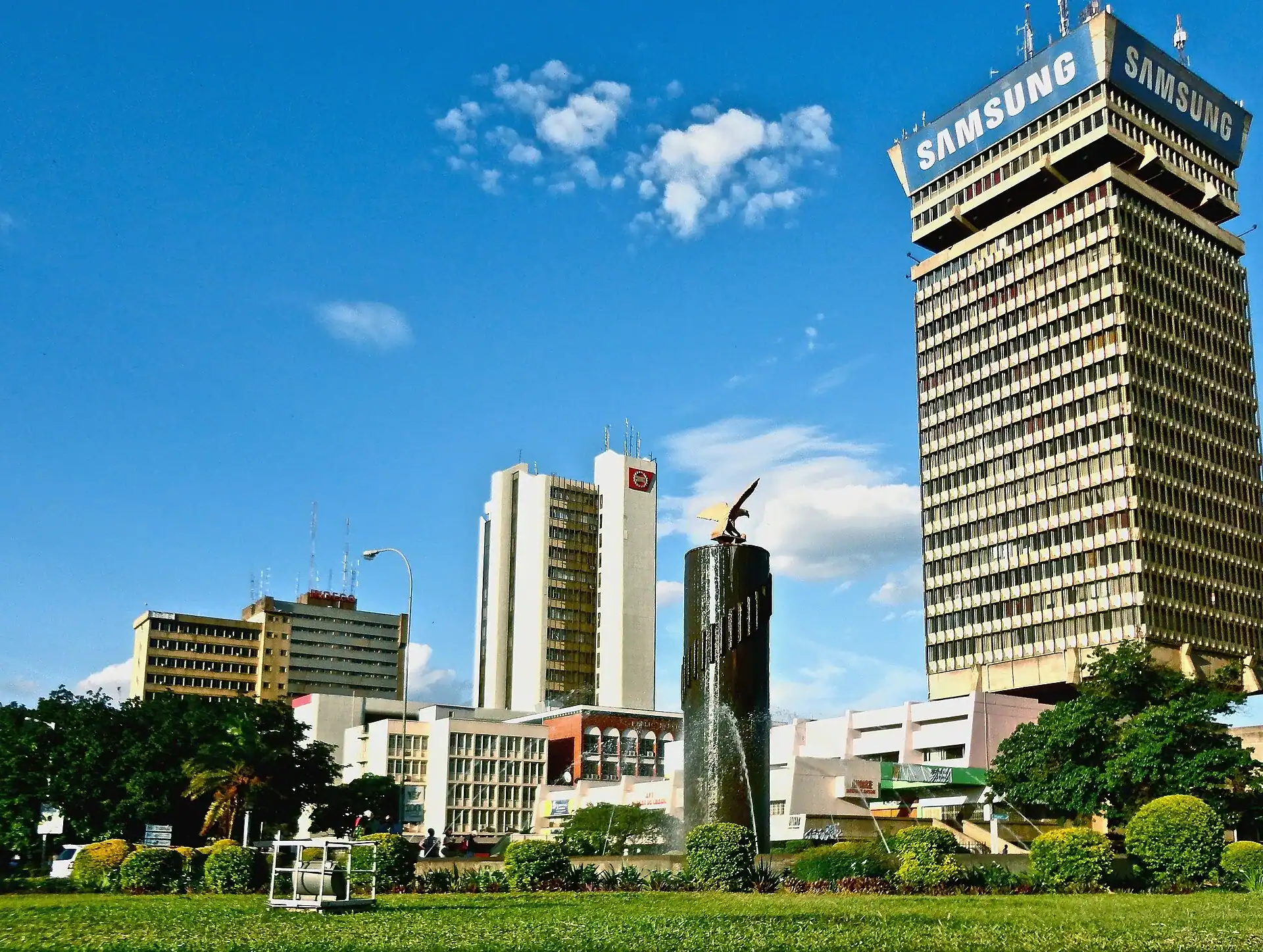 Photo: Matthew Grollnek / Wikimedia Commons (CC BY-SA 4.0)