Cost of Living in Asunción
Real market data
Source: Numbeo · August 2026
$1,000/moSolo nomad1-bed centre + living costs
$1,310/moCoupleshared 1-bed + costs
$760/moLean / localcheaper area + costs
- 1-bed rent, city centre$610PYG 3,647,778
- 1-bed rent, outside centre$370PYG 2,205,714
- Monthly costs excl. rent (1 person)$390PYG 2,332,896
- Meal, inexpensive restaurant$7PYG 44,000
- Monthly transit pass$37PYG 220,000
- Buy price, per m² (centre)$1,730PYG 10,383,159
Prices are from Numbeo (August 2026), converted to USD at $1 = 6005.38 PYG (01 Aug 2026). The monthly living-costs figure is our transparent one-person basket, groceries, a few meals out, utilities, phone, internet, transport and essentials, priced from those figures. Solo adds central rent; couple and lean are estimates from the same numbers. The guide below quotes its own monthly range, which is a different measurement rather than a competing one: this table prices a defined basket at the figures above, while that range is a judgement about how somebody actually lives here.
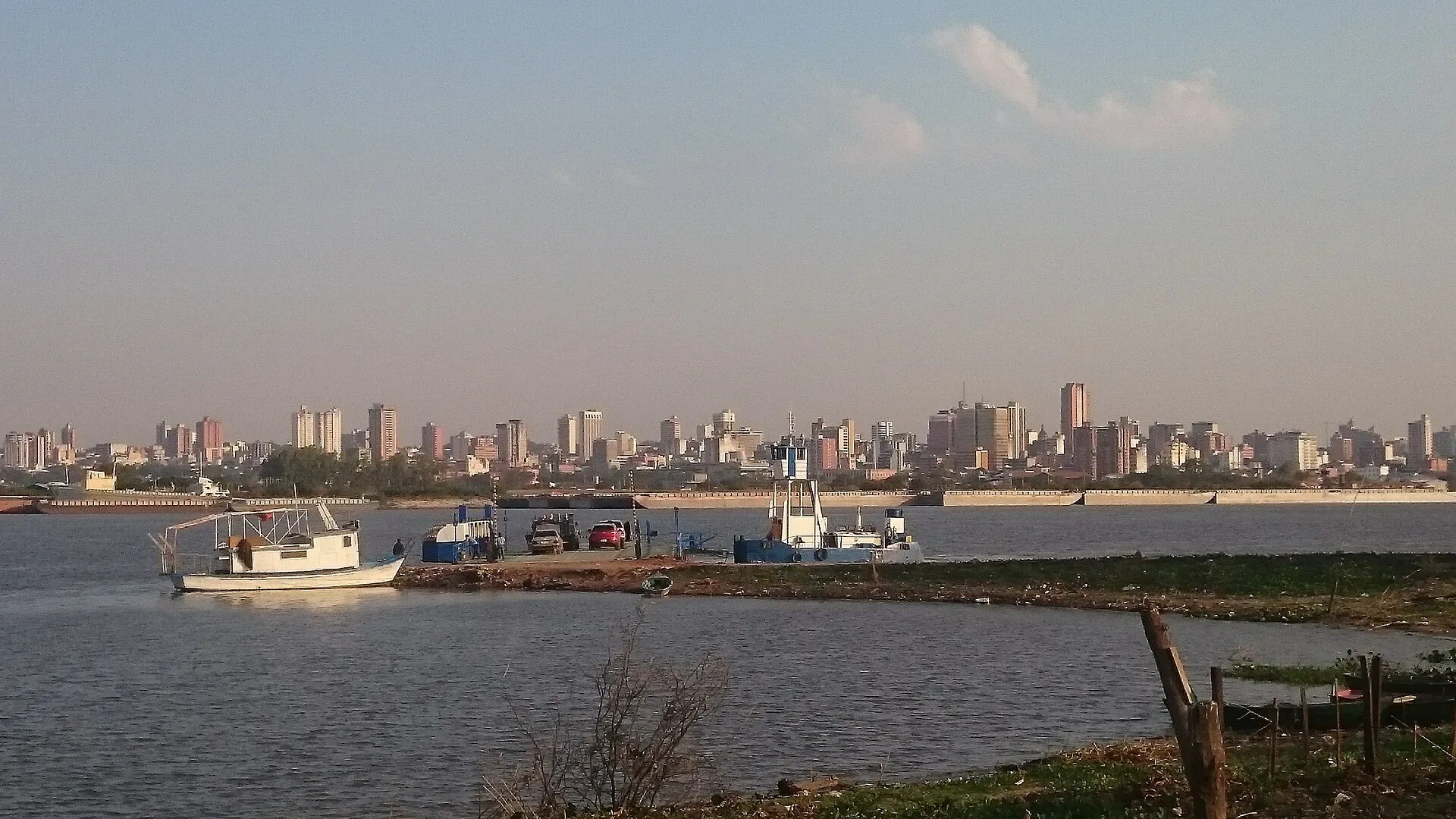
Asunción is one of the cheapest capitals in South America, and that is not hype: your money genuinely goes far here. All prices below are in Paraguayan Guaraní (PYG) with approximate USD equivalents.
- Rent, central areas (Villa Morra, Carmelitas): $585-1,080/month for a furnished one-bedroom
- Rent, cheaper areas (Barrio Jara, Fernando de la Mora): $335-535/month
- Groceries: $67-110/month cooking at home with local produce
- Eating out: A local lunch (almuerzo) costs $4-8.50; a restaurant meal in a mid-range place runs $13-30
- Coworking hot desk: $100-185/month at most spaces; day passes $12-25
- Local transport (bus card top-ups): $5-10/month for regular bus use; ride-hailing adds more
- Total comfortable range: roughly $700-1,200/month depending on your lifestyle and whether you cook
A tight budget of $700 is realistic if you rent outside the center and cook most meals. Living in Villa Morra and eating out regularly pushes closer to $1,200-1,500.
Where to Work
Asunción has a small but functional remote work infrastructure. Dedicated coworking spaces are the most reliable option. HIVE Coworking (Barrio Bestard) is a well-regarded independent space open since 2017 with consistent fiber internet. Welco (Carmelitas) caters to freelancers and startups with flexible memberships. Regus operates two corporate-style locations at Artigas Centre and Brasilia 1994, suitable if you need a polished address. Loffice, at the World Trade Center on Aviadores del Chaco, targets entrepreneurs and remote workers in a modern tower setting.
Cafe work is possible but uneven. El Café de Acá in the city center is the standout: reliable wifi, indoor-outdoor seating, and a relaxed pace. La Galette (Barrio Jara) is a smaller French-style spot good for a focused morning. Many cafes in Villa Morra and Carmelitas have wifi, but speeds and socket availability vary; always ask before settling in for the day.
Fiber internet at home is inexpensive and genuinely fast. Providers like Tigo, Personal, and Claro offer plans for $30-50/month. If you rent a furnished apartment in the expat areas, you will almost certainly have fiber already included. Public wifi in cafes is slower, but acceptable for calls and light work.
Getting Around
Asunción is not a walkable city. Distances between neighborhoods are long, sidewalks are inconsistent, and summer heat makes walking uncomfortable for any real distance. You will need transport to get around.
The bus network is the cheapest option at about $0.50 per ride using a Jaha or Más smart card (cards cost around $4 to buy). Buses cover most of the city but can be slow and crowded during peak hours. Bolt is the most popular ride-hailing app, significantly cheaper than taxis and easy to use. Uber also operates in Asunción alongside MUV and inDrive.
Silvio Pettirossi International Airport (ASU) sits about 10 km northeast of the center. The cheapest option into town is the Linea 30-A bus from right outside arrivals. A Bolt or taxi to Villa Morra runs $17-24 depending on time of day; agree on a price upfront or insist on the meter with street taxis. Avoid unmarked drivers who approach inside the terminal.
Sorting transport? Book an airport transfer, or compare car rental on Auto Europe and QEEQ.
Visas and Staying Long-Term
Citizens of the United States, Canada, the United Kingdom, the EU, Australia, and most Western countries enter Paraguay visa-free for 90 days. You can request a single 90-day extension from the Directorate General of Immigration before your original permit expires, giving you up to 180 days total on a tourist entry.
Paraguay does not currently offer a dedicated digital nomad visa. However, the country has a straightforward and relatively affordable temporary residency process that many long-term nomads use. Permanent residency requires proof of income or investment. Paraguay's territorial tax system is a major draw: income earned outside Paraguay is not taxed locally.
Best Time to Visit
Asunción has a subtropical climate with distinct seasons. The best window for remote work and general comfort is May through August (winter). Temperatures sit between 12-24°C (54-75°F), humidity is manageable, and rainfall is low with around 4-5 rainy days per month in July and August. This is when the city is most pleasant to be in.
Avoid December through February if heat is a concern. Summer highs regularly exceed 35°C (95°F) with high humidity and heavy thunderstorms. October and November are the rainiest months. September and October bring warmer but still tolerable weather with occasional storms.
If you need to visit outside the ideal window, March to May (early autumn) is the next best option: temperatures drop from the summer extreme, though afternoon rains remain common.
Pros and Cons
Pros
- One of the cheapest capitals in South America, with very low rent and food costs
- 90-day visa-free entry for most Western passports, with extension available
- Fast, affordable home fiber internet widely available in residential areas
- Territorial tax system attractive for income earned abroad
- Genuine, non-touristy city with a friendly local population
- Growing coworking scene and a small but welcoming expat community
- Good food options ranging from cheap local almuerzo spots to internationally recognized fine dining
Cons
- Very hot and humid summers make outdoor life difficult from December to February
- English is rarely spoken; Spanish is essential for daily life
- Not walkable: you need transport for most errands
- Smaller nomad community than hubs like Medellín, Buenos Aires, or Lima
- Limited direct international flight connections; often requires a stopover
- Street safety requires basic awareness, especially after dark in certain areas
- Coworking options are fewer and less polished than larger regional cities
Who Asunción Is Best For
Asunción suits nomads who prioritize very low costs and want to stretch a modest income further than almost anywhere else in South America. If you are seriously considering Paraguayan residency for tax or lifestyle reasons, spending time here first makes obvious sense. It also works well for slow travelers who prefer a city that is off the beaten path, where you interact with locals rather than a large tourist infrastructure.
It is a good fit if you already speak Spanish or are learning, if you can handle a conservative, slower-paced city, and if you do not need a large English-speaking nomad social scene around you.
Skip Asunción if you need a dense nomad community, rely heavily on English-language services, or are visiting between December and February and cannot tolerate extreme heat. It is also not ideal if you want a walkable, vibrant urban life with regular cultural events and a packed nightlife calendar: Asunción is low-key by South American standards.