Cost of Living in Kumasi
Where this figure comes from. No cost survey covers Kumasi, so the $780 a month above is our own estimate rather than a measurement. On 416 of our 999 city guides the figure is built from a published Numbeo basket, a one-bedroom rent in the centre plus one person's monthly costs without rent, converted to USD; this city is not one of them. How we source everything.
Kumasi runs about $780 a month for one person, cheaper than Accra by a clear margin. A furnished one-bedroom in Ahodwo, Nhyiaeso or around KNUST is $250 to $450, and a room in a shared house $120 to $220. Local food is very cheap: a bowl of fufu with light soup is $2 to $3 and waakye under a dollar, while a western-style restaurant meal is $10 to $18. Coworking exists in a small way at $70 to $130 a month. Internet is the notable expense in Ghana, at $30 to $60 for a decent fixed connection. Trotros cost pennies and a taxi across town is $2 to $5. Mobile money runs the economy here more than cards do: MTN MoMo pays for trotros, market stalls, rent and utilities, and a local SIM registered to your passport is what unlocks it. The cedi has moved sharply in recent years, so a dollar figure ages faster than the local price does, and rents quoted to a foreigner are often pegged to the dollar and demanded a year in advance.
Where to Work in Kumasi
Kumasi's coworking scene is small but growing, largely tied to KNUST, one of the strongest engineering universities in West Africa, with spaces around the campus and in Nhyiaeso at $70 to $130 a month. Fixed internet comes from Vodafone, Surfline or fibre operators and costs $30 to $60, which is expensive relative to everything else here. MTN's 4G is widespread, reliable and often the better option, with generous data bundles; most people working remotely in Ghana tether. The real planning item is power: Ghana's supply has improved but outages still happen, and an inverter or a UPS is a normal precaution rather than an unusual one. The outages have a name here, dumsor, and you will hear it constantly because it is how everyone discusses the schedule. KNUST is the largest university in the country by enrolment and its engineering faculty is why the technology scene exists at all, so the useful contacts here are academic rather than commercial. Twi is the working language of the market and the trotro, and English carries everything institutional.
Getting Around Kumasi
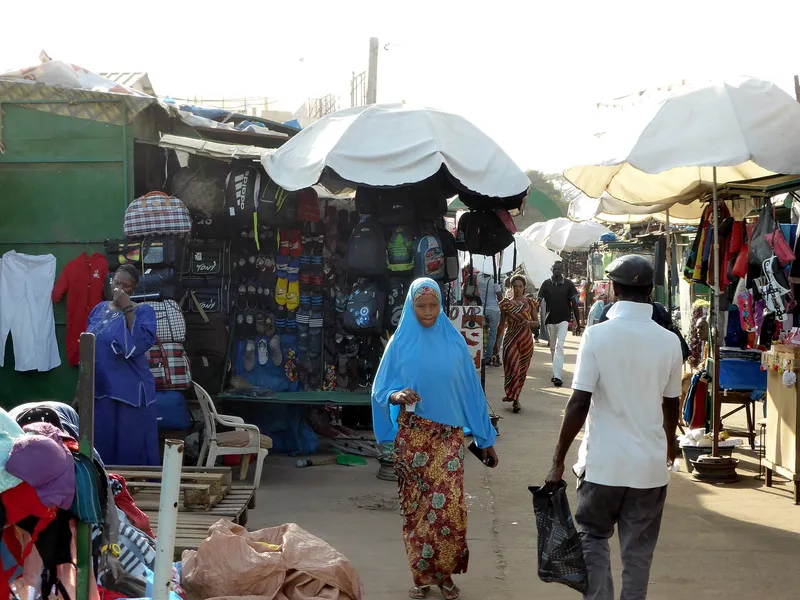
Kumasi is built in concentric rings around Kejetia and the central market, and the traffic reflects it, so allow more time than the distance suggests. Trotros, the shared minibuses, run every route for pennies once you learn the calls and hand signals. Taxis are $2 to $5 across town, shared taxis cheaper, and Bolt and Uber both operate. The Kejetia market complex, one of the largest in West Africa, is the centre of gravity and is worth a morning. Kumasi airport has domestic flights to Accra, about 45 minutes, against five to six hours by road. Lake Bosomtwe, a meteorite crater lake, is 30km southeast. Lake Bosomtwe carries a rule worth respecting: tradition holds that only wooden planks may touch the water, so the fishermen paddle flat boards rather than boats, and the crater rim road makes a half-day circuit. The road north to Tamale and the savannah takes most of a day, and the one south to Cape Coast about four hours, which puts the coast within a weekend rather than a trip.
Sorting transport? Book an airport transfer, or compare car rental on Auto Europe and QEEQ.
Visas for Kumasi
Ghana requires a visa in advance for most nationalities, applied for at an embassy or through the online system, usually issued for 30 or 60 days single or multiple entry. Visa on arrival is available only in limited circumstances and should not be relied on. Extensions are handled by the Ghana Immigration Service in Accra or Kumasi and are generally granted for a fee. There is no digital nomad visa. Ghana has actively courted the African diaspora through initiatives like the Year of Return, and routes to longer residence and even citizenship exist for people of African descent, which is a genuinely distinctive feature of Ghanaian policy. Ghana's online portal and its embassies can give different answers for the same nationality, and the fee, the number of entries and the processing time vary by mission rather than by policy, so the consulate you apply through matters more than it should. Yellow fever vaccination is checked on arrival and a card without it will stop you at the desk.
Best Time to Visit Kumasi
Kumasi sits in the forest belt and is wetter and greener than the Ghanaian coast. It has two rainy seasons: a heavy one from March to July and a second, lighter one in September and October. The dry window from November to February is the best time to be here, with highs around 32C and lower humidity, though December and January bring the Harmattan, the Saharan dust haze that drops visibility and air quality for weeks and is hard on anyone with a respiratory condition. August is a relatively dry break between the two wet seasons. Temperatures barely move across the year, sitting between 30C and 33C most days. The Ashanti calendar runs on a forty two day cycle and Akwasidae falls at the end of each one, a public durbar with drumming, kente and the full apparatus of state, open to anyone who turns up. Because the cycle is not tied to the western calendar the dates drift through the year, so the next one has to be looked up rather than guessed from a month.
Pros and Cons of Kumasi
Kumasi is the heart of the Ashanti kingdom, and one of the most culturally distinct cities anywhere in West Africa: the Manhyia Palace and the Asantehene's court, the Kejetia market, kente weaving out at Bonwire, adinkra printing at Ntonso, and a major university that keeps the city young and busy with it. English is the official language, Ghana is politically stable and among the safest countries in the region, and it costs $780 a month. The internet is expensive and the power is not fully reliable, the traffic is heavy, the Harmattan months are genuinely unpleasant, there is little nomad community, and Accra has most of what infrastructure the country offers. The Ashanti resisted British annexation for a century, and the last war in 1900 was fought over the Golden Stool, the sacred seat of the nation, after a governor demanded to sit on it. Yaa Asantewaa, queen mother of Ejisu, led that campaign in her sixties. The stool was never surrendered and has never been sat upon, and grasping that it is a nation's soul rather than a throne explains most of what the palace museum holds.
Who Kumasi Is For
A specific interest in West African history, textiles, craft or the Ashanti kingdom, or a place in the diaspora looking at Ghana as a longer-term base, for which the policies here are unusually welcoming. English as the working language removes the barrier that Francophone West Africa presents. The November to February dry window is the stretch to aim at, and a month or two inside it is plenty, budgeted around good mobile data and a UPS of your own. Internet here is expensive relative to everything else in the country, no coworking community has formed, and the forest belt sits between thirty and thirty three degrees all year without a temperate month in it. Accra is the easier Ghanaian landing point and has the small expatriate scene the country has. It suits a textile person specifically, since the weaving, dyeing and stamping traditions are living trades with apprentices rather than demonstrations laid on for visitors, and the workshops will take somebody who turns up wanting to learn. It suits anyone who reads about empire, because the Ashanti story is told here from the Ashanti side, which is rarer than it should be. A month here rewards somebody who came to learn something specific, and punishes somebody who only needed a cheap desk and a quiet room.
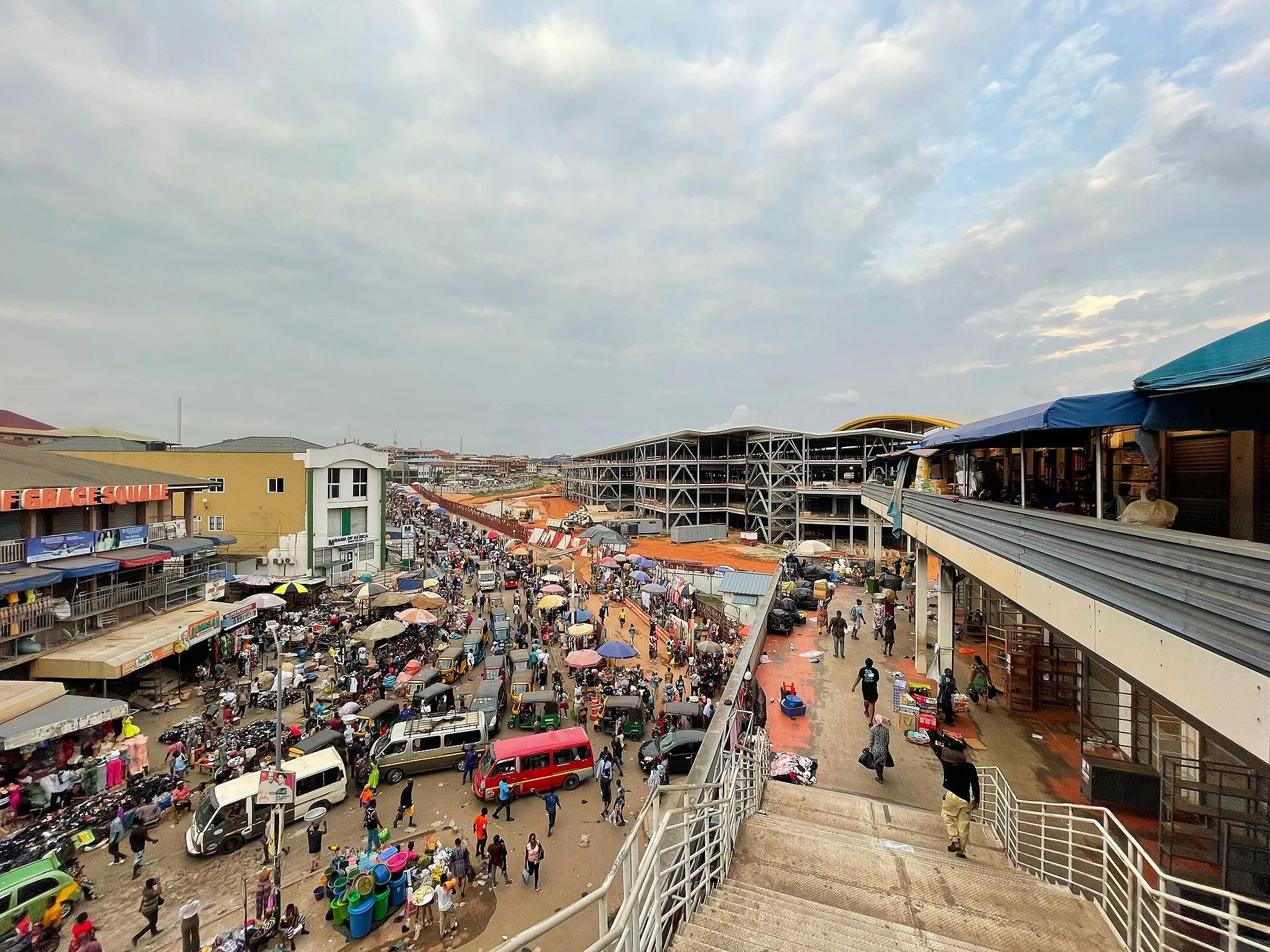 Photo: Afus199620 / Wikimedia Commons (CC0)