 Canggu
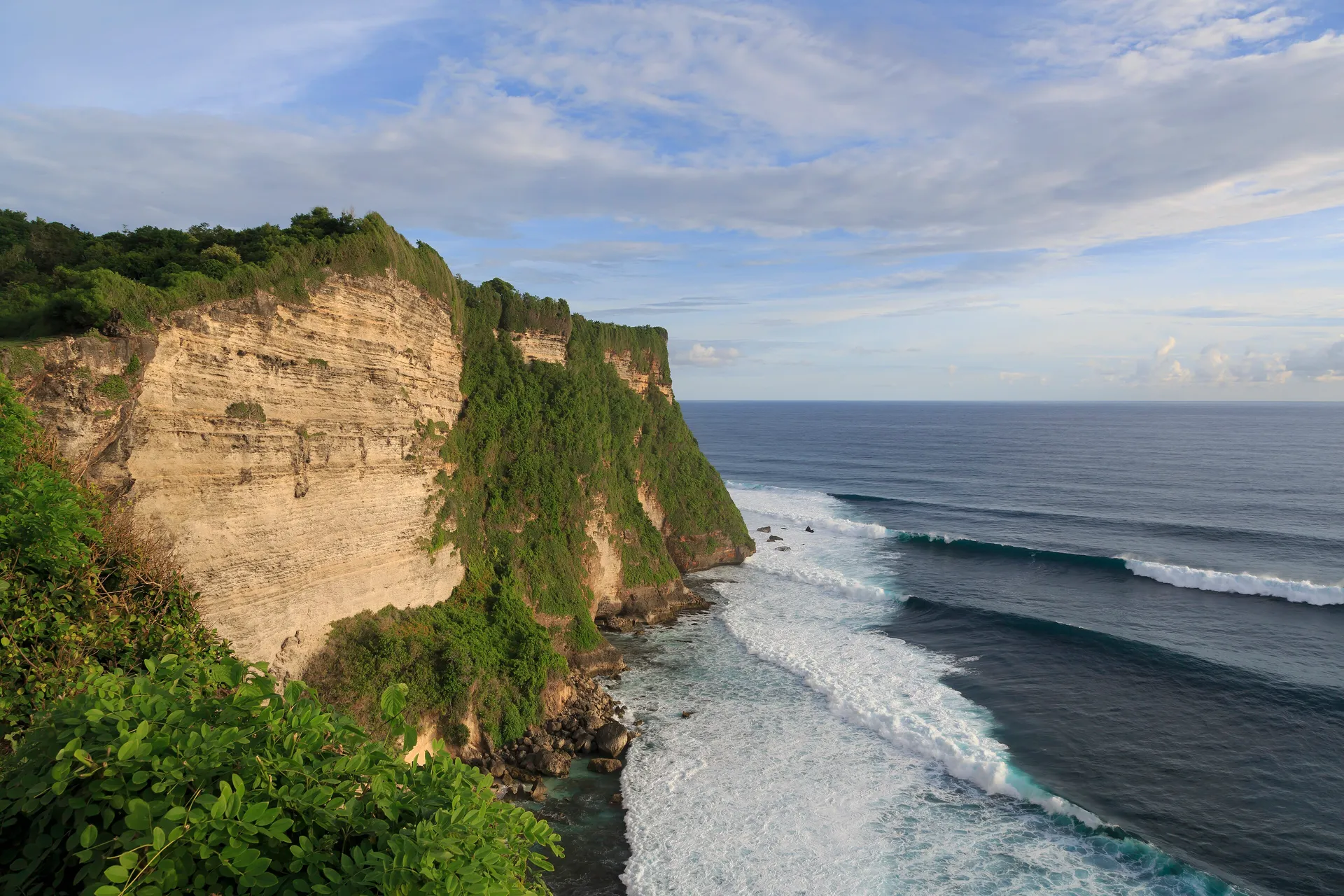
Bukit means hill, and the hill at the bottom of Bali is the island's odd one out: a dry, stony block of old limestone seafloor, pushed up out of the ocean, on an island otherwise known for water running through rice terraces. Stand at Uluwatu temple at six in the evening, when the Kecak dancers begin on the cliffside, and there are 70 metres of air between you and the waves. The place is surrounded by water and short of it. So take water as the whole test of Canggu against Uluwatu: the kind you surf, and the kind that comes out of the shower.
In the sea
The breaks are what brought surfers to the Bukit. Uluwatu, Padang Padang, Suluban and Bingin are reef waves at the bottom of steep steps, and most of them suit advanced or expert surfers only. At Suluban you descend through cafés and narrow limestone passages, and at high tide much of the sand disappears. Watching from a warung up top is a lovely way to spend an hour. It is also what you would be doing most days after only one season on a board.
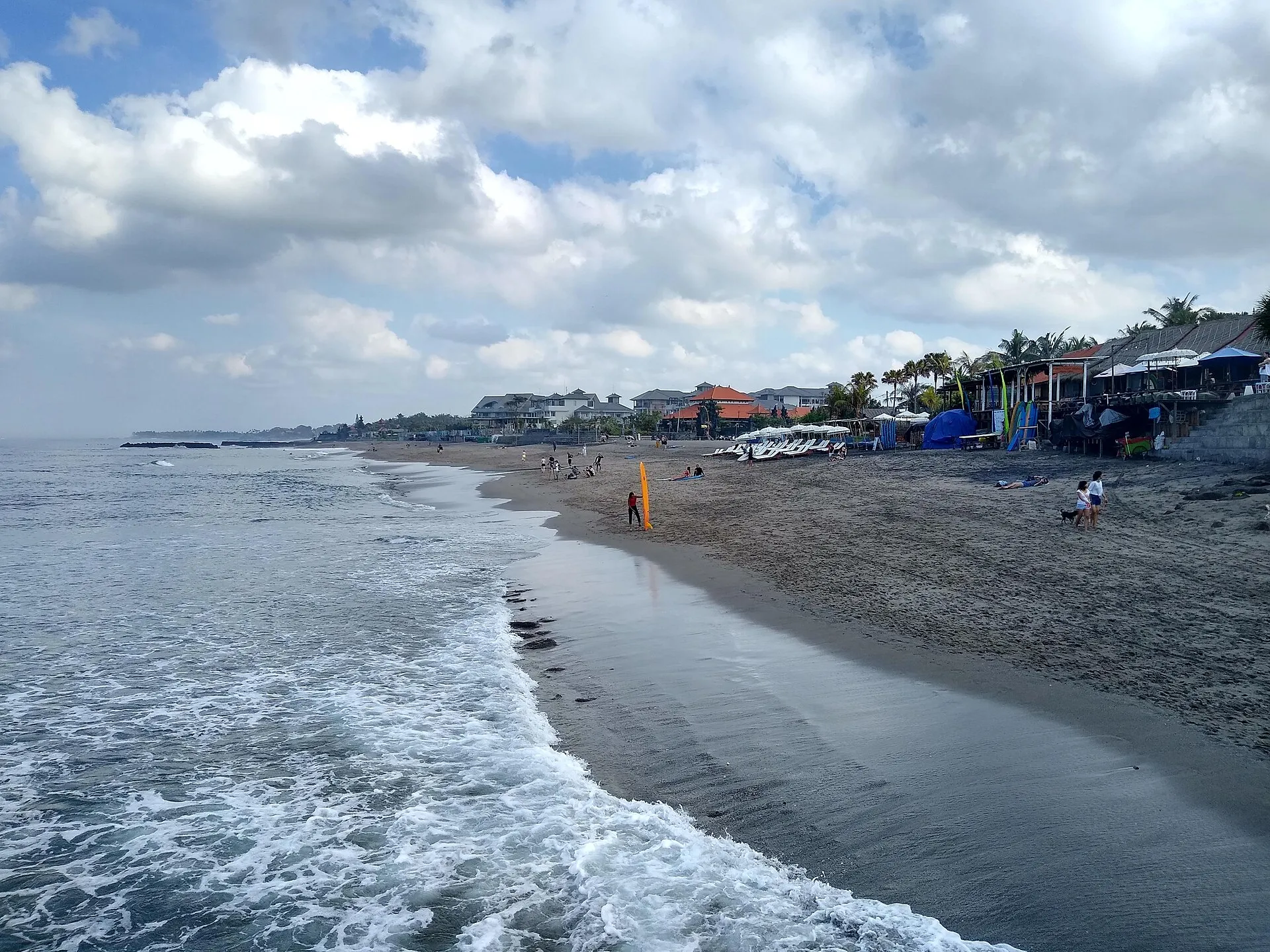
Canggu's water looks less like a poster. Its ten kilometres of coast are dark grey sand, not much good for swimming, with bars crowding the road end at Batu Bolong beside the temple, and fishermen selling prawns and lobster on Nelayan beach early each morning. The surf is no paddling pool, but a learner has far more chance here than under the cliffs.
At the tap
This is where the two part company. The Bukit runs mainly on a reservoir at the Estuary Dam in southern Denpasar, with the water pumped up to the hill. In late September 2026 a short circuit took out the main pump at the treatment plant. Jimbaran, Ungasan and Pecatu, the village around Uluwatu, went up to seven days without supply, and some households in Kutuh went more than three weeks. When the pump came back, the pressure was too low for houses on higher ground. The reservoir then fell below half its normal level, with rain not expected in the south until mid-December. Pecatu had already had a week of intermittent water in March, also from damaged pumps, so this was no freak event.
Canggu drinks from under its own feet. Nearly all tourism venues in that part of Badung use deep electric-pump wells, so a broken pump in Denpasar is not the threat it is on the hill. Someone else pays instead. Land taxed at development value and water drawn off for tourism push farmers to sell, and the Green Belt covering most of Canggu is largely ignored. The rice field you rented a view of is helping to fill your pool.
What it does to the sums
Our estimate of a month is $2,200 in Canggu and $1,800 in Uluwatu, and in a normal month that $400 is real. During an outage, a tanker costs about $11 every two or three days, so $110 to $165 a month for an ordinary household, and more with a pool to fill. The utility promised free deliveries to affected homes, but people were still ordering their own. The local parliament has approved about $8.3 million, to be paid in instalments from 2027 to 2029, with no date for when more water will actually arrive. Plan on another bad dry season.
Canggu charges you in time. Batu Bolong and the main road grind to a halt between four and seven most afternoons, which is exactly when you want to reach the beach after work.
We would choose Uluwatu only for the reef. For a surfer good enough to use Padang Padang on a Tuesday morning, the cliffs are worth every tanker. Everyone else gets more from Canggu, traffic included. Should the cliffs win anyway, ask the owner three things before paying a deposit: how many days the cistern holds, which months it ran dry last year, and who pays when the truck comes. An owner who answers without hesitating has lived through it, and that is the one to rent from.
 United States
 United Kingdom
 Germany
 Canada
 Australia
 India