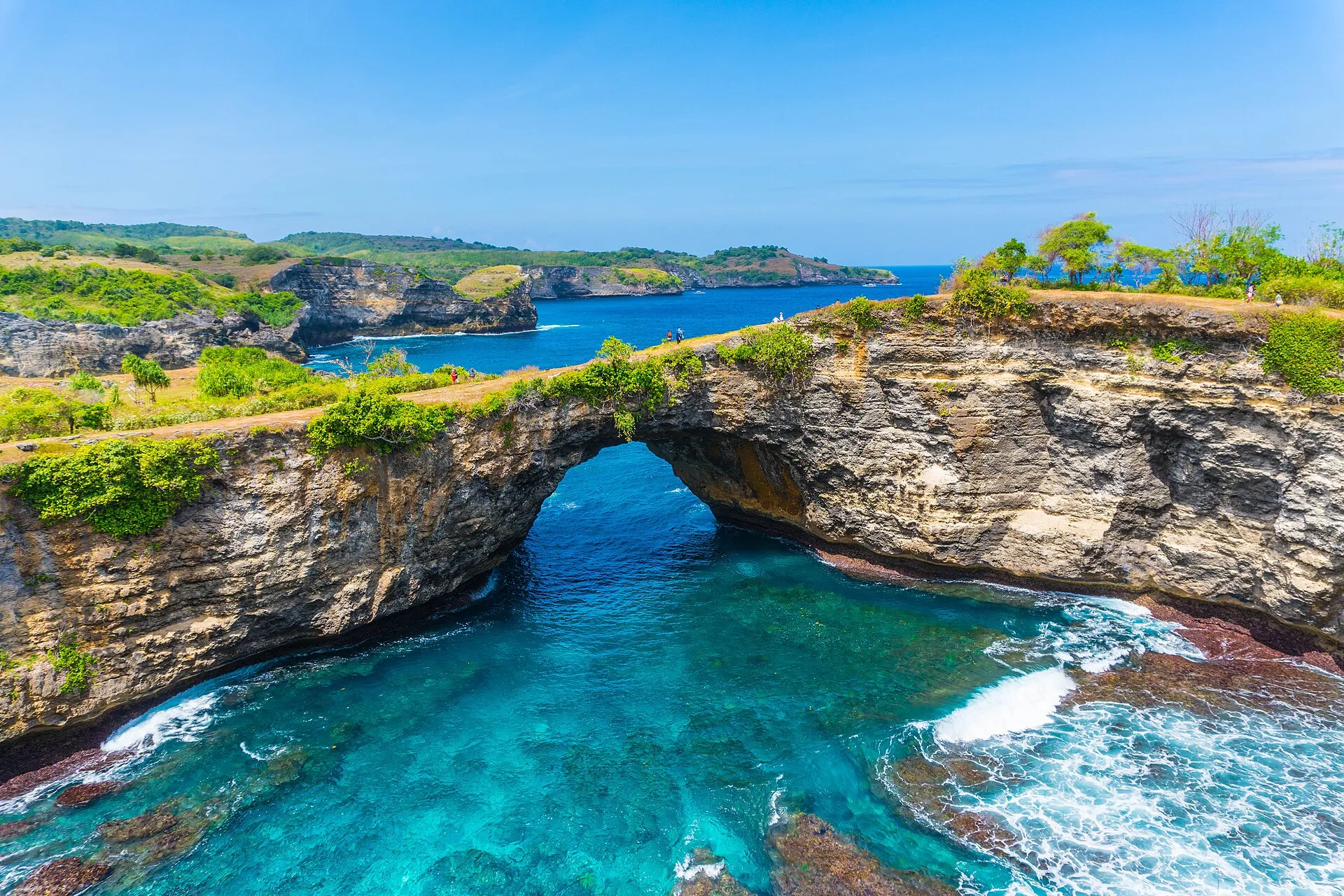
Some places just make sense for divers who work online. The dive centers are established, the marine life is reliable, and there is enough cheap housing, cafe wifi and community to stay for weeks rather than days. This guide gathers the dive towns that come up again and again in nomad circles, the ones where you can get certified, log fun dives on your days off, and still ship work.
This is a curated editorial list based on each place's diving reputation and how well it works for remote work, not our data-driven Nomad Score. We weighed the quality and variety of dive sites, the cost of certification, the strength of the local dive scene, and the practical basics like internet and monthly rentals. A place with world-class reefs but no usable connection did not make the cut, and neither did a great nomad hub with only mediocre diving.
One honest caveat runs through the whole list: many of the best dive towns are small islands or beach villages where power cuts, patchy wifi and a slower pace are part of the deal. Treat a local SIM or eSIM as essential, keep expectations realistic on upload speeds, and plan dives around deadlines rather than the other way around. The payoff is obvious the moment you are back underwater.
This is a curated, editorial list based on each place's reputation for diving and how workable it is as a nomad base. Unlike our rankings and tier lists, it is not generated from our 981-city Nomad Score, because we do not score cities on this activity.
Browse tours, activities & tickets on Klook →
The picks
-
1
Dahab
EgyptDahab is the classic diver-nomad town: over 30 Red Sea shore dives right off the promenade, including the famous Blue Hole and the coral of the Canyon, so there are almost no boat fees and diving stays cheap year round. Fun dives run around 30 USD and it is one of the world's best-value places to learn freediving. Living is inexpensive by the sea, the community is large and laid-back, but wifi is the weak point, so a 4G SIM is essential.
-
2
Koh Tao
ThailandKoh Tao certifies more Open Water divers than anywhere on earth, and the volume keeps prices among the lowest going: a PADI or SSI course sits around $340. Warm, calm water, granite pinnacles like Chumphon and reliable turtles make it an easy place to log fun dives after work. It is a small island, so expect budget bungalows, cheap Thai food and internet that has improved but still varies by area.
-
3
Utila
HondurasUtila is Central America's answer to Koh Tao, a tiny Bay Island lined with a dozen dive shops on one street and legendary for cheap PADI and SSI courses on the Mesoamerican Barrier Reef. It is one of the few places with whale shark sightings across much of the year, though you snorkel rather than dive with them. Long-term rooms start cheap, but frequent power cuts make it the least reliable base here for serious remote work.
-
4
Amed and Tulamben
IndonesiaThis quiet stretch of Bali's east coast is built for shore diving: gear goes in a van and you walk in, with the USAT Liberty wreck at Tulamben, coral gardens and volcanic muck sites minutes apart. Calm conditions and low prices make it a strong base to learn or do a Divemaster internship. It is more relaxed and cheaper than Canggu, with decent villas and cafe wifi, and the rest of Bali's nomad infrastructure is a few hours away.
-
 5
5Nusa Penida
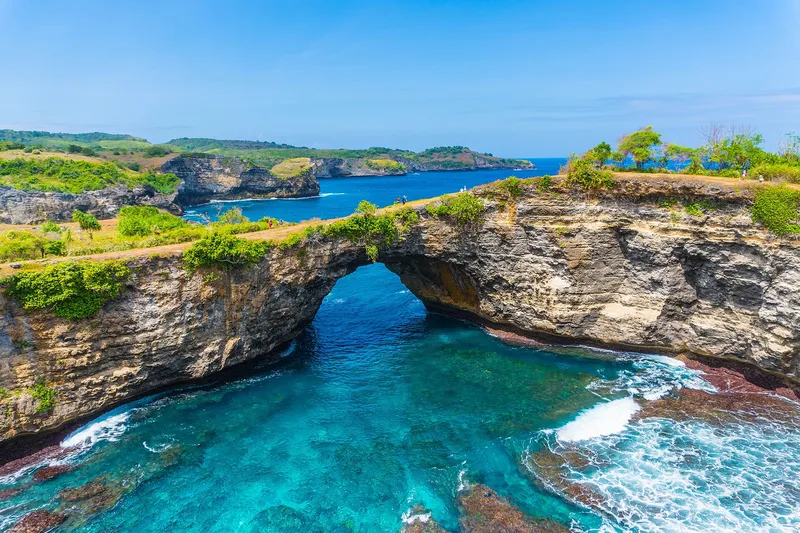
IndonesiaPenida is the big-animal dive off Bali: manta rays year round at Manta Point and, from July to October, the strange oceanic mola mola sunfish drawn up by cooler water. Visibility can top 30 meters but currents are strong and drift dives are advanced, so it suits confident divers more than beginners. The island has boomed for nomads, with growing cafes and villas, though roads and infrastructure are still rough.
Read the Nusa Penida city guide → -
6
Gili Islands
IndonesiaThe car-free Gilis off Lombok are one of the easiest, most social places to get certified, with warm calm water and green and hawksbill turtles you can meet straight off the beach. Shark Point adds reef sharks and big schools of fish. The house reefs have degraded over the years, so this is more about relaxed learning and turtle snorkeling than dramatic diving. Gili Trawangan has the wifi and cafes; Air and Meno are quieter.
-
7
Moalboal
PhilippinesMoalboal on Cebu is famous for its year-round sardine run, a swirling wall of millions of fish just meters off Panagsama Beach that you can even snorkel. Add turtles, the Pescador Island wall and solid macro, and it is a lot of diving for the money. It has grown into a small nomad and backpacker hub with cheap rooms and cafes, though it is a few hours from Cebu City's airport and faster connections.
-
8
Malapascua
PhilippinesThis small island off northern Cebu is the only place you can reliably dive with pelagic thresher sharks, which rise to Monad Shoal at dawn to be cleaned almost every morning. March to June brings the calmest seas and best visibility. It is remote and low-key, better as a focused dive stay than a long remote-work base, so many nomads pair it with Moalboal or Cebu City for the internet-heavy days.
-
 9
9Dumaguete
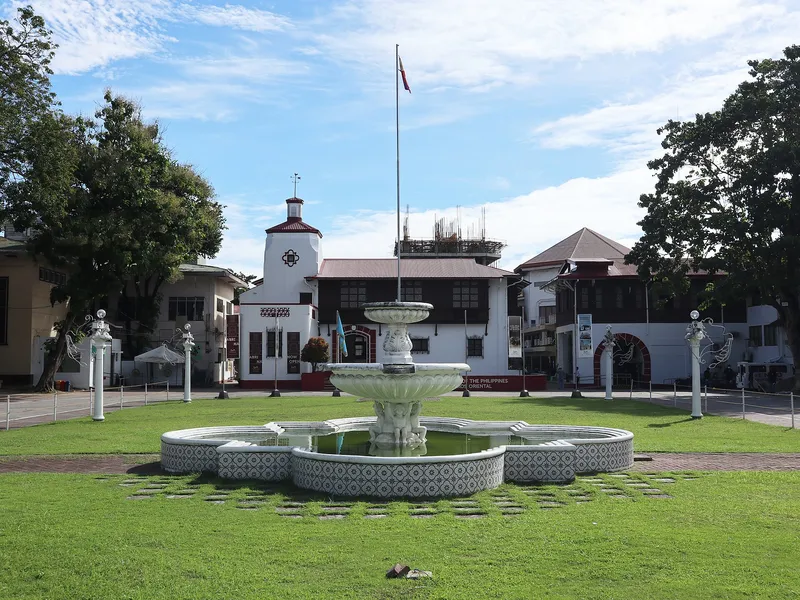
PhilippinesDumaguete is the rare dive base that is also a real town: a walkable university city with a lively food scene, cheap rentals and usable internet. Nearby Apo Island is a protected marine sanctuary with healthy reefs and turtles, and the Dauin coast is a world-class muck diving stretch for macro life. That mix of proper amenities and great diving makes it one of the more livable long-stay options on this list.
Read the Dumaguete city guide → -
10
Cozumel
MexicoCozumel sits on the second largest barrier reef in the world and is built for effortless drift diving along coral walls at Palancar and Santa Rosa, with famously clear warm water and the endemic splendid toadfish. It is a genuine dive destination rather than a budget one, and the island is more resort-oriented, so many nomads dive here on trips from the mainland while basing in cheaper, better-connected Playa del Carmen.
-
 11
11Playa del Carmen
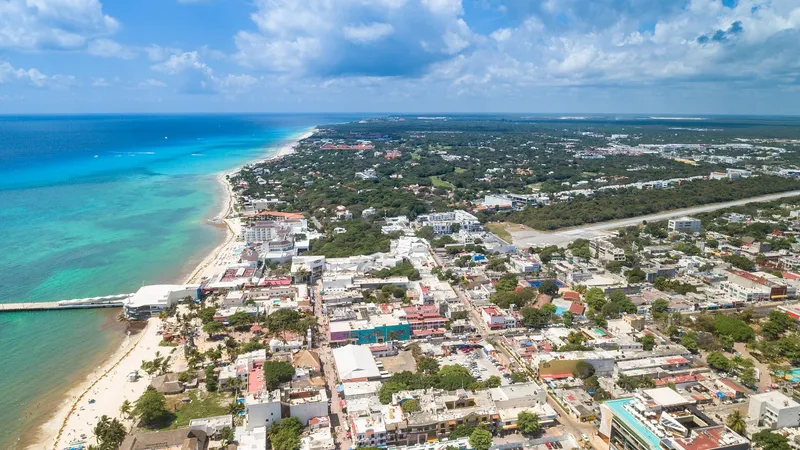
MexicoPlaya is the practical Riviera Maya base, with a strong nomad scene, coworking and fast internet, plus diving on its doorstep. It is the gateway to the cenotes, flooded limestone caverns with surreal light and glass-clear freshwater, and from November to February you can dive with bull sharks just offshore. Cozumel's reefs are a short ferry away, so one base covers reef, cave and shark diving.
Read the Playa del Carmen city guide → -
12
Marsa Alam
EgyptThe southern Red Sea around Marsa Alam is quieter and wilder than the northern resorts, with pristine reefs at Fury Shoals, resident spinner dolphins at Sha'ab Samadai, and some of the region's best chances at dugongs and green turtles on the seagrass. It is also a launch point for liveaboards to remote offshore reefs. Best diving runs March to May and September to November. It is more of a diving stay than a full nomad hub, but long-stay hotel deals are common.
-
13
Bocas del Toro
PanamaThis Caribbean archipelago is an easy, affordable place to learn, with warm shallow reefs, near-zero currents and mangroves full of life; two fun dives run around 70 USD. The diving is gentle rather than spectacular, which is the point for beginners. Bocas has a long-running backpacker and nomad scene with cheap overwater hostels and cafes, though it is rustic and the internet can be slow, so bring a mobile backup.
-
 14
14Tenerife
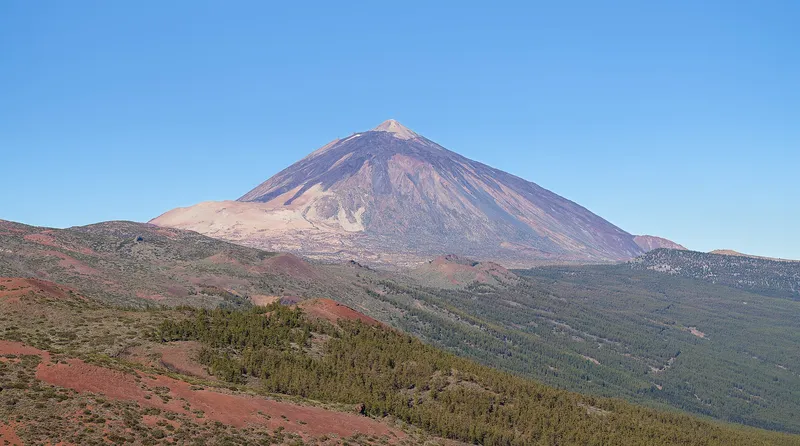
SpainTenerife is the diver's pick for a European-standard nomad base, with water that never drops below about 19 degrees, so you can dive all year. Volcanic reefs hold loggerhead turtles, eagle rays, angel sharks and barracuda, often on calm shore or short-boat dives. As a Canary Island it has fast internet, coworking, an established nomad community and Spain's digital nomad visa, making it the most infrastructure-rich option on this list even if it is pricier than Asia.
Read the Tenerife city guide →
Frequently asked questions
What is the best dive city for digital nomads?
Dahab in Egypt is our overall pick: world-class Red Sea shore diving with almost no boat fees, very low living costs and a large, settled nomad community. If you want stronger internet and more town amenities, Dumaguete in the Philippines and Tenerife in Spain are the most livable long-stay bases here, while Koh Tao and Utila are the classic cheap learn-to-dive islands.
Where is the cheapest place to get scuba certified?
Koh Tao in Thailand and Utila in Honduras are widely considered the cheapest places on earth to get PADI or SSI certified, both driven by high volume and fierce competition among dive shops. On Koh Tao an Open Water course runs roughly 340 USD; Utila is similar. Dahab is also excellent value, especially for freediving, thanks to shore diving that removes boat costs.
Which places have the best marine life and when should I go?
For big animals: Nusa Penida has manta rays year round and mola mola from July to October, Malapascua offers thresher sharks at dawn most mornings, and Utila and Marsa Alam are strong for whale sharks and dugongs respectively. Moalboal's sardine run happens all year. Red Sea diving is best March to May and September to November; the Gilis peak May to June and October to November.
Can you really work remotely and dive in these places?
Yes, but plan around it. Most dives run in the morning, leaving afternoons and evenings for work, and many nomads keep dives to days off. The trade-off is connectivity: small dive islands like Utila and Bocas del Toro have power cuts and slow wifi, so treat a local SIM or eSIM as essential. Town-sized bases like Dumaguete, Playa del Carmen and Tenerife are far easier for deadline-heavy work.
Is this ranking based on your Nomad Score data?
No. This is a curated editorial list based on each destination's diving reputation and how well it works for remote work, not our data-driven Nomad Score. We weighed dive-site quality, cost of certification, the strength of the local dive scene and practical basics like internet and rentals. For our data-driven city rankings, see the main Nomad Score and comparison tools.