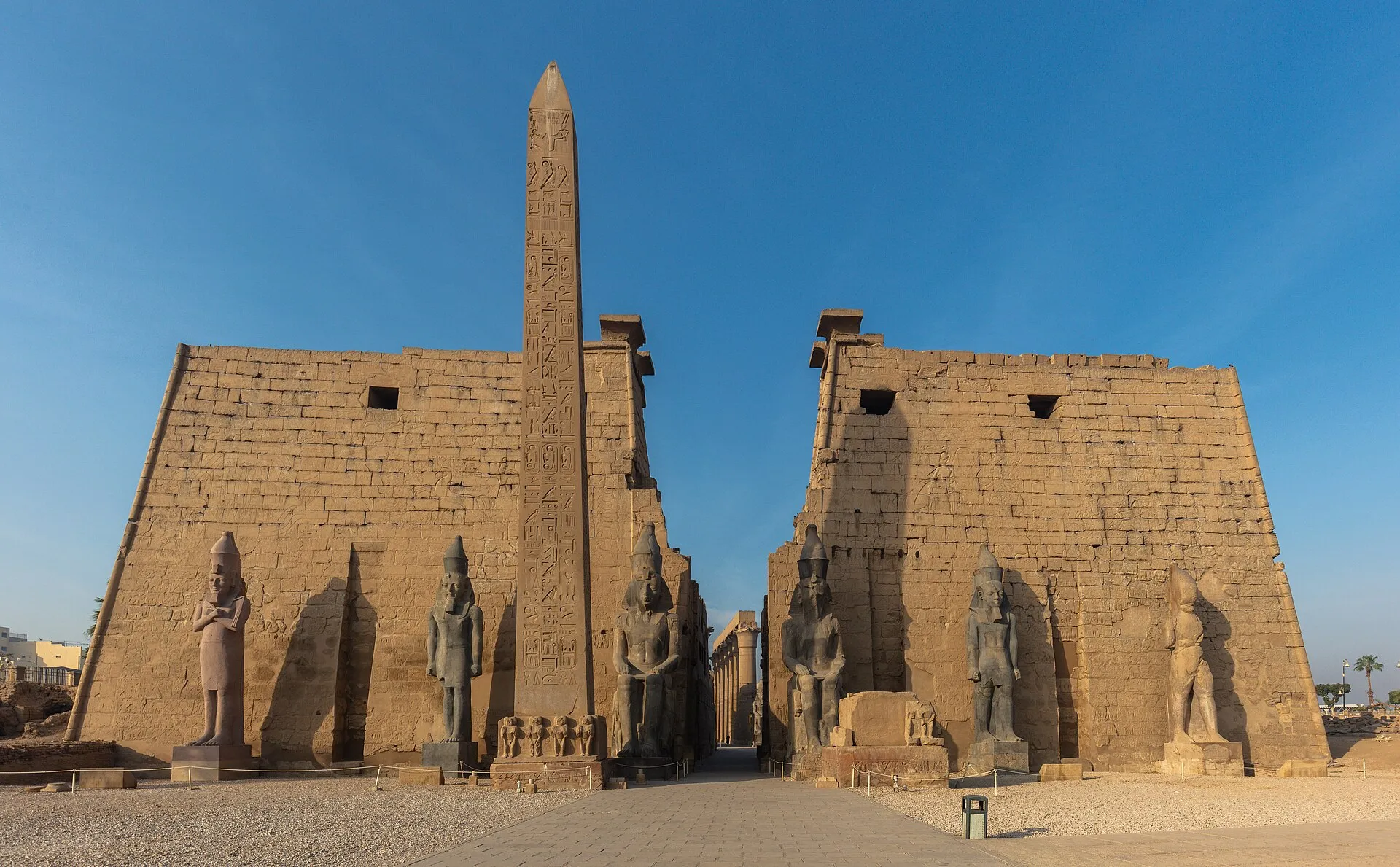
Cost of Living in Luxor
Where this figure comes from. No cost survey covers Luxor, so the $530 a month above is our own estimate rather than a measurement. On 416 of our 999 city guides the figure is built from a published Numbeo basket, a one-bedroom rent in the centre plus one person's monthly costs without rent, converted to USD; this city is not one of them. How we source everything.
Luxor is one of the cheapest places you can base yourself as a remote worker. The Egyptian pound (EGP) sits around 50 to the US dollar, making already-low prices even more accessible for foreign earners.
- Rent, East Bank (central, tourist area): $155-295/month for a furnished one-bedroom apartment
- Rent, West Bank or outer East Bank: $78-155/month for a basic furnished flat
- Groceries: $49-78/month shopping at local markets; staples like bread, produce, and chicken are very cheap
- Eating out (local places): $3-6 per meal; a full meal with a drink at a mid-range spot runs $8-14
- Coworking hot-desk: $29-59/month at Luxor's only established coworking space; cafe work runs much less
- Local transport (taxis, tuk-tuks, ferry): $10-20/month if you use the public ferry and negotiate taxi fares
- Utilities and mobile data: $29-39/month combined
Monthly total range: $350-550 for a comfortable solo lifestyle. Budget travelers can live on less; those wanting a larger flat, air conditioning running constantly, and regular restaurant meals will push toward the top.
Where to Work
Dedicated coworking is limited in Luxor. Luxor Silicon Valley on El Awameya Street near the Steigenberger Nile Palace Hotel is the main established coworking space, offering hot-desks, meeting rooms, and a business address. It opened in 2017 and remains the clearest option if you need a structured work environment. Contact them directly for current pricing.
Cafe work is viable but requires realistic expectations. Several cafes on the East Bank offer free WiFi, most reliably Aboudi Break near Luxor Temple, which has a rooftop terrace and fast enough connection for video calls. The West Bank's Moon Cafe is a quieter option with a garden courtyard and consistent connectivity.
The honest WiFi situation: speeds in Luxor are functional rather than fast. Cafe connections are usable when the network is not congested. Buying a local SIM card from Vodafone Egypt or Orange Egypt is strongly recommended. A 30GB data plan costs around $3-4/month and gives you a reliable backup for heavy calls or uploads. Home fiber broadband runs $6.50/month and offers more consistent speeds.
Power cuts can occur, especially in summer when air conditioning demand peaks. Working from hotels with generators or using your mobile hotspot provides a reliable fallback during outages.
Getting Around
Luxor is split by the Nile into the East Bank (temples, most hotels, the main city) and the West Bank (Valley of the Kings, quieter villages). Most nomads base themselves on the East Bank.
The East Bank is walkable between the main tourist strip, Luxor Temple, and the souks. Taxis are everywhere and inexpensive; always negotiate the fare before getting in. Expect to pay $0.50-1.50 for short trips within the East Bank. Tuk-tuks charge slightly less.
Crossing to the West Bank by public ferry costs under $1 and takes about ten minutes. Private motorboats charge $0.50-1. Tuk-tuks and bicycle rentals are readily available on the West Bank side.
Luxor International Airport (LXR) is 7 km east of the city center. A taxi to most East Bank hotels costs $3-6. A pre-arranged private transfer runs $15-25. No reliable ride-hailing app covers Luxor; Uber and Careem are Cairo-centric. Summer months bring direct charter flights from Europe to Luxor, expanding your departure options.
To reach Cairo, the overnight train (around $8-16 second class, ~8 hours) is the most practical option. Flights between Cairo and Luxor are available daily but add up if used frequently.
Sorting transport? Book an airport transfer, or compare car rental on Auto Europe and QEEQ.
Visas and Staying Long-Term
Most Western passport holders (US, UK, EU, Canada, Australia) can obtain a tourist visa on arrival at Luxor International Airport or purchase an e-visa online in advance at visa2egypt.gov.eg for around $25. Both grant a 30-day single-entry stay.
Egypt does not currently offer a dedicated digital nomad visa. Extensions of your tourist visa are possible in 30-day increments by visiting the Passport and Immigration Office in Luxor (you do not need to go to Cairo). Extension fees typically run $31-37. A popular workaround is a short trip to Hurghada or Sharm el-Sheikh and back to reset your visa.
A special visa-free entry initiative for arrivals directly at Luxor and Aswan airports was in place during summer 2025 for certain nationalities.
Best Time to Visit
Luxor has a desert climate with almost no rainfall year-round. The only real variable is temperature.
October to April is the optimal window for remote workers. Temperatures are mild and comfortable (15-28°C / 59-82°F), sightseeing is pleasant in the evenings, and the city is more active. December through February is peak tourist season with the highest hotel prices and the most crowds, though these are manageable.
March and April offer a sweet spot with fewer crowds, lower prices, and warm days ideal for morning temple walks before settling into your work routine.
May through September brings extreme heat, regularly exceeding 40°C (104°F) and sometimes reaching 45°C (113°F) in July and August. This period is genuinely challenging. You will be indoors under air conditioning for most of the day, electricity bills rise, occasional power dips occur, and outdoor exploration is limited to early mornings. It is the low season for a reason. If you are heat-tolerant and cost-focused, rents and hotel rates drop substantially. Otherwise, plan your stay outside these months.
For remote work specifically, November through March balances pleasant conditions, reliable utilities, and lower prices than peak December.
Pros and Cons
- Extremely low cost of living relative to most nomad destinations
- Unmatched historical and cultural context, living among the world's densest concentration of ancient monuments
- Calm, slow pace on the West Bank and quieter East Bank streets
- Affordable, fresh local food with excellent Egyptian cuisine options
- Easy visa access for most Western passports with on-arrival or e-visa
- Warm winters and guaranteed sunshine
- Very limited coworking infrastructure compared to established nomad hubs
- Persistent tourist hustle on the East Bank: vendors, carriage drivers, and touts constantly approach foreigners
- Brutal summer heat from May to September that restricts outdoor activity
- WiFi can be unreliable without your own SIM data backup
- Limited nightlife and social scene for meeting other nomads or building community
- No nomad visa and unclear long-term stay pathways beyond tourist visa extensions
- Air quality and dust can be an issue, particularly during dry season sandstorms (khamsin winds in spring)
Who Luxor Is Best For
Luxor works well for remote workers who are genuinely drawn to Egyptian history and culture and want to spend a month or two immersing themselves in a place unlike any other. If you love slow mornings at a Nile-side cafe, afternoons watching sunset over the Karnak columns, and living cheaply with minimal frills, Luxor rewards you generously.
It suits photographers, writers, researchers, and independent contractors who work mostly async and do not need a buzzing coworking community or strong peer network. Budget-conscious nomads will find few places in the world this affordable for the quality of life.
You should skip Luxor, or keep your stay very short, if you need fast and reliable internet for constant video calls, struggle with persistent hawking in tourist zones, want a vibrant nomad social scene, or cannot tolerate heat. It is not a place that caters to the digital nomad lifestyle the way Chiang Mai, Lisbon, or Medellin do. Treat it as a culturally rich, deeply affordable detour rather than a long-term base, and it delivers.