Cost of Living in Granada
Granada, Nicaragua, is one of the most affordable bases in Central America, which is a big part of its appeal for long-stay nomads. A comfortable single-person budget sits at roughly $700 to $1,000 a month, covering a simple rented room or apartment, local food, and everyday extras. Eating at neighbourhood comedores and buying produce from the market keeps daily spending low, while imported goods and tourist-strip restaurants cost noticeably more. Rents are modest by regional standards, though colonial-house rentals near Parque Central command a premium. These figures are editorial estimates rather than fixed prices, so treat them as a starting point and expect seasonal and personal variation.
- Room or small apartment: often the largest monthly cost, cheaper away from the centre.
- Local meals at comedores: very affordable compared with Calle La Calzada tourist spots.
- Market produce and street food: keep a self-catering budget genuinely low.
- Transport, SIM data, and coworking: minor line items in most monthly budgets.
Where to Work in Granada
Granada is a small city, so most remote work happens from cafes, guesthouses, and a handful of coworking-style spaces rather than large dedicated hubs. Cafes around Parque Central and along Calle La Calzada offer coffee, air conditioning, and a place to settle in for a few hours, though the busiest tourist spots can get noisy. Many nomads simply work from their rental, and choosing a place with reliable fibre or a strong plan matters more than any single venue. Power cuts and variable speeds do happen, so a local SIM with a data plan as backup is a sensible habit. Mornings tend to be the calmest, most productive stretch before the afternoon heat builds.
Getting Around Granada
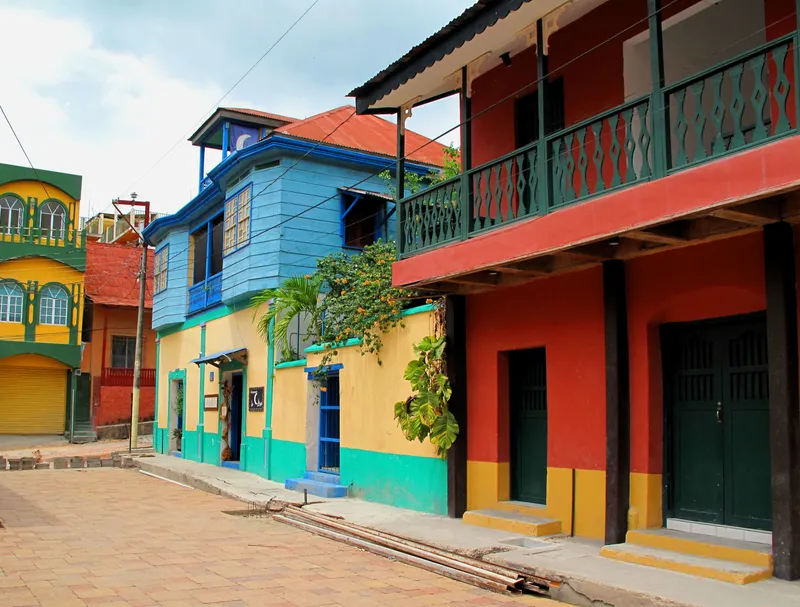
Granada is compact and wonderfully walkable, with the pastel arcaded streets, the yellow Cathedral, and Parque Central all within easy strolling distance. Most days you will not need transport at all inside the historic core. For short hops or when the midday heat is fierce, cheap taxis and pedal-powered coche tricycles are readily available and easy to flag down. Reaching the lakefront, the Las Isletas launch points, or the Mombacho and Masaya volcanoes is straightforward by taxi, tour shuttle, or local bus. Managua and its international airport sit about 45 minutes away, reachable by taxi, shuttle, or the frequent, very cheap intercity buses that connect the region.
Visas for Granada
Nicaragua forms part of the CA-4 region alongside Guatemala, Honduras, and El Salvador, and many nationalities receive up to 90 days on entry across this shared zone. That window covers most medium-length stays without extra paperwork, and extensions or border runs are options some travellers use, though rules can change. Entry requirements, fees, and any onward-ticket checks vary by passport, so confirm the current position for your nationality before you travel. Just as importantly, read your government's latest travel advice for Nicaragua, since guidance can shift; check official sources close to your departure date and keep an eye on updates while you are in the country. Carry copies of key documents.
Best Time to Visit Granada
Granada has a hot tropical climate, warm all year, so timing is really about rain rather than temperature. The drier season, roughly from late November to April, brings the most reliable sunshine and is the popular stretch for visitors, with the streets and lakefront at their liveliest. The greener wetter months, around May to October, see afternoon downpours that are often short but intense, alongside fewer crowds and a quieter pace. Whichever season you pick, expect real heat and humidity through the middle of the day, so plan outdoor trips to Las Isletas or the volcanoes for cooler mornings. Bring sun protection, light clothing, and plenty of water.
Pros and Cons of Granada
Granada offers a rare mix of genuine colonial beauty, lakeside setting, and low living costs, all in a walkable, human-scale city. The trade-offs are mostly practical: infrastructure is patchier than in bigger hubs, the expat community is small, and the heat is relentless. Weigh these honestly against your work needs and travel style, and check current travel advice before committing to a longer stay.
- Pros: strikingly beautiful colonial streets and lakefront; very affordable; walkable and compact; easy access to Las Isletas and volcanoes; relaxed, friendly pace.
- Cons: hot and humid year-round; variable wifi and occasional power cuts; small nomad community; limited English outside tourism; check current safety and travel advice.
Who Granada Is For
Granada suits budget-minded, independent nomads who value character, calm, and affordability over a large, ready-made community or fast, flawless infrastructure. It rewards those with at least some Spanish, or the willingness to learn, since English is mainly confined to tourism. If you love colonial architecture, lake and volcano landscapes, and slow mornings on a shady terrace, it is a memorable base. It fits less well for anyone who needs guaranteed high-speed connectivity, a bustling coworking scene, or cooler weather. Do-it-yourself travellers who research current conditions, take normal precautions, and check up-to-date travel advice for Nicaragua will get the most out of a stay here.
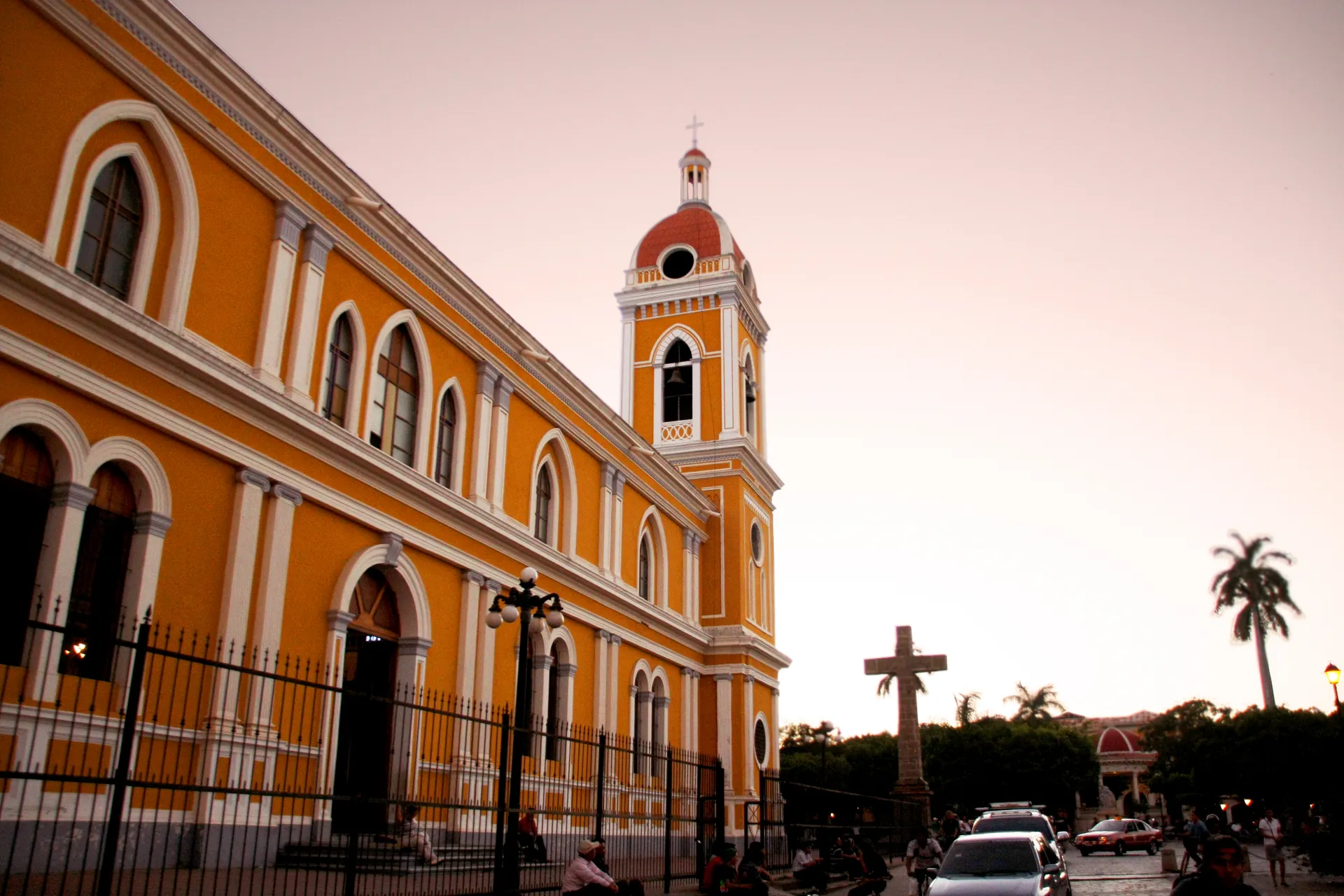 Photo: JacobKlinger / Wikimedia Commons (CC BY-SA 3.0)