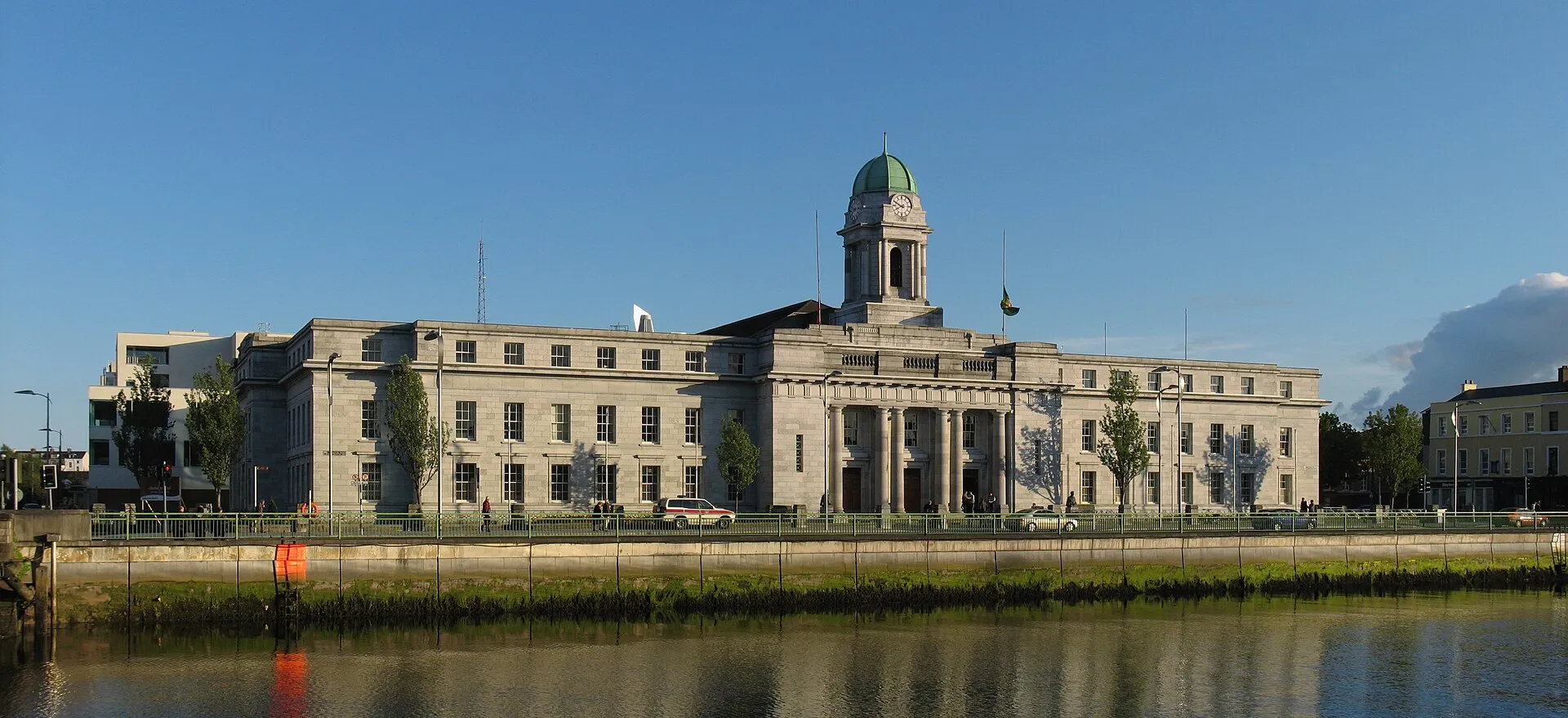
Cork City Hall with the River Lee in the foreground, Cork, Ireland
Photo: KlausFoehl / Wikimedia Commons (CC BY-SA 3.0)
Ireland flag

Cork

Ireland

Ireland's foodie capital with thriving tech industry growth.

$3.000
Monthly Budget
--
Current Weather
Oceanic
Climate Type
60 Mbps
Avg. WiFi Speed
7/10
Safety Score
2,000+
Active Nomads
--
Time Difference
Scroll
0
Nomad Score

Cork at a Glance for Remote Workers

Ireland's foodie capital with thriving tech industry growth. Expect $3,000 a month here. English and clean air are the standout strengths, with cost the main caveat.

Compare Cork vs Galway →

Category Breakdown

How Cork scores across all 13 factors

Weather in Cork

Monthly averages from 2019-2023 (Open-Meteo), and the best time to visit

Jan
10°
Feb
11°
Mar
12°
Apr
15°
May
18°
11°
Jun
19°
13°
Jul
19°
12°
Aug
17°
11°
Sep
14°
Oct
11°
Nov
Dec
Daily high & low (°C)Rainfall (mm/month)Best months to visit

The best time to visit Cork for comfortable weather is Jun, Jul, Aug. The warmest month is Jul (around 19°C by day), and the wettest is Oct (about 193mm of rain).

Chasing good weather? See other cities that are warm in Jun, or plan a multi-city route around the seasons. Staying a while in Cork? Check visa options, your time-zone overlap and how far your budget stretches, or find it on the world map.

Historical monthly averages, not a forecast. Source: Open-Meteo.

Best Neighborhoods in Cork

Where to base yourself for the perfect nomad experience

City Centre

$$
Central & Friendly

Cork's compact island heart

Cork's center sits on an island between river channels - Oliver Plunkett Street bars, English Market, and walkable charm. It's compact, friendly, and quintessentially Cork.

Best for: First-time visitors, pub lovers, and those seeking walkable Cork
✓ Pros
  • English Market
  • Great pubs
  • Walkable
  • Central location
✗ Cons
  • Limited accommodation
  • Weekend crowds
  • Expensive parking

Shandon

$
Historic & Authentic

Cork's historic hilltop quarter

Shandon rises above the city - St. Anne's Church bells, colorful houses, and old Cork character. It's where Cork's working-class heritage remains visible.

Best for: History lovers, photographers, and those seeking old Cork
✓ Pros
  • St. Anne's Church
  • Butter Museum
  • Colorful streets
  • Authentic
✗ Cons
  • Steep hills
  • Limited restaurants
  • Rough edges

Douglas

$$
Suburban & Family

Cork's leafy southern suburb

Douglas is Cork's affluent southern suburb - shopping centers, good restaurants, and family-friendly atmosphere. It's suburban but well-connected to the city.

Best for: Families, long-term visitors, and those seeking suburban comfort
✓ Pros
  • Good shopping
  • Family-friendly
  • Safe area
  • Good restaurants
✗ Cons
  • Suburban feel
  • Car needed
  • Less character

Victorian Quarter

$
Creative & Emerging

Cork's emerging creative district

MacCurtain Street and the surrounding Victorian Quarter is Cork's emerging scene - independent cafes, small theaters, and creative energy. It's where Cork's future is being built.

Best for: Creatives, culture lovers, and those seeking emerging Cork
✓ Pros
  • Independent cafes
  • Theater scene
  • Creative energy
  • Victorian architecture
✗ Cons
  • Still developing
  • Variable areas
  • Limited late night

UCC/Western Road

$
Academic & Green

Cork's academic green quarter

University College Cork and the Western Road area offer green spaces, student energy, and beautiful campus grounds. It's Cork's intellectual heart.

Best for: Students, academics, and those seeking university atmosphere
✓ Pros
  • Beautiful campus
  • Green spaces
  • Student energy
  • Good cafes
✗ Cons
  • Student crowds
  • Term-time only
  • Limited evening options

Cost of Living in Cork

Cork is noticeably cheaper than Dublin, but it is still one of the pricier cities in Western Europe. Rent is your biggest variable. A one-bedroom apartment in the city centre runs roughly EUR 1,700-2,100/month (approximately USD 1,850-2,300). Move out to suburbs like Douglas, Ballincollig, or Togher and the same space drops to EUR 1,100-1,500/month (approximately USD 1,200-1,650).

  • Groceries (self-catering): EUR 250-350/month if you shop at Lidl or Aldi and use the English Market for fresh produce
  • Eating out: A casual lunch is EUR 12-18; a sit-down dinner with drinks is EUR 35-55 per person
  • Coworking hot desk: EUR 200-350/month depending on the space; day passes typically EUR 25-45
  • Local transport (bus pass): EUR 65-80/month for a Leap Card top-up covering city buses
  • Coffee shop working session: EUR 4-6 per coffee, and most cafes expect you to buy every 90 minutes or so

Realistic monthly total: EUR 2,200-3,200/month (approximately USD 2,400-3,500) covering rent, food, coworking, transport, and modest leisure. You can live leaner in a shared house, but Cork is not a budget destination.

Where to Work

Cork has a solid but small coworking scene. Republic of Work on South Mall is the flagship, ranked among Europe's top startup hubs by the Financial Times. It has fast fibre, meeting rooms, events, and a real professional community. Day passes run around EUR 40-45. Spaces at Horgan's Quay near Kent Station is a more corporate setup with flexible hot desk memberships from around EUR 200/month. Culture Coworking at Marina Commercial Park offers a quieter, less central option with parking if you have a car.

Cafe work culture exists but is less developed than in Lisbon or Chiang Mai. Most independent coffee shops tolerate a laptop for a couple of hours if you keep buying. Gulpd near the Crawford Art Gallery and Soho in the city centre are known to be laptop-friendly. Avoid chains during busy lunch hours.

WiFi reliability is generally good. Fibre broadband is widespread in the city, and most coworking spaces offer symmetric speeds of 50-200 Mbps. Mobile data coverage (4G/5G on Three or Vodafone) is strong throughout the city centre.

Getting Around

Cork city centre is compact and very walkable. You can cover most of the core on foot in 20-30 minutes. The Lee splits the city into north and south banks, and most work and eat destinations sit within a short walk of each other.

Bus Eireann and the city bus network (using a Leap Card) connect the suburbs efficiently, though routes are less frequent than Dublin. Buses run until around midnight. Cork does not have a tram or light rail system within the city, so if you live outside the centre you will rely on buses or a bicycle.

Cork Airport (ORK) is about 6 km south of the city. Bus Eireann routes 225 and 226 connect the airport to Kent Station in about 25 minutes for around EUR 6-9. Since early 2025 you can buy an integrated rail-plus-bus ticket from the Irish Rail website, making airport journeys straightforward without a taxi.

Visas and Staying Long-Term

Ireland is not in the Schengen Area, so it operates its own entry rules. US and Canadian passport holders can enter Ireland visa-free for up to 90 days for tourism or remote work for overseas employers. UK passport holders benefit from the Common Travel Area and can live and work in Ireland indefinitely with no immigration restriction.

Ireland has no dedicated digital nomad visa. The closest option for longer stays is Stamp 0, a temporary low-impact residency permit. It allows you to live in Ireland for up to a year (renewable) working remotely for foreign clients, but you cannot work for Irish companies. The income threshold is steep: approximately EUR 50,000/year with EUR 100,000 in savings. Extensions require reapplication. Most nomads on short trips simply enter visa-free and leave before 90 days.

Always confirm current entry rules directly with the Irish Naturalisation and Immigration Service (inis.gov.ie) before travel, as thresholds and requirements can change.

Best Time to Visit

Cork has an oceanic climate: mild, damp, and frequently overcast year-round. Expect rain in any month and pack layers regardless of when you go.

June to August is the best window. Temperatures reach 17-19 degrees C (mid-60s F), days are long (up to 17 hours of daylight), and the city comes alive with outdoor events, festivals, and terrace culture. The Cork Midsummer Festival runs in June. It is busier and accommodation costs more, but the energy is worth it for a first visit.

May and September are solid shoulder months, with fewer tourists, reasonable prices, and enough dry days to enjoy the coast and countryside around the city. For pure heads-down remote work without distractions, these months balance mild weather with a quieter atmosphere.

November through February is wet, dark, and often gusty. Temperatures rarely dip below freezing but persistent rain and short daylight hours make this a tough time to visit without a very specific reason.

Pros and Cons

Pros

  • English-speaking with a warm, sociable culture and a genuine pub community
  • Excellent food scene anchored by the English Market and strong farm-to-table ethos
  • Compact, walkable city centre with fast fibre broadband widely available
  • Good European flight connections via Cork Airport (direct to London, Amsterdam, Paris, and more)
  • Easier visa entry for US and UK nationals than most EU countries post-Brexit
  • Less chaotic and more affordable than Dublin while retaining urban amenities

Cons

  • High cost of living by global nomad standards, particularly rent
  • No digital nomad visa and high bar for longer-stay permits
  • Rain is frequent and relentless, especially in winter
  • Coworking scene is small compared to major nomad hubs
  • Cafe-working culture is thin; you will likely need a proper coworking membership
  • Limited onward flight connections compared to Dublin hub

Who Cork Is Best For

Cork suits remote workers who want an English-speaking European base with real cultural texture. If you value excellent food, a genuine pub scene, walkability, and a calmer pace than a capital city, Cork delivers. It is also a practical short-stay stop for US or Canadian passport holders doing a 60-90 day European loop without needing to navigate Schengen rules.

You will get the most out of Cork if you enjoy the outdoors: the Wild Atlantic Way, West Cork coastline, and the Beara Peninsula are all within easy reach for weekend escapes.

Skip Cork if you are on a tight budget (Southeast Asia or Eastern Europe are dramatically cheaper), if you need a large, active nomad community to connect with, or if the idea of regular rain genuinely bothers you. Cork is also a poor fit if your plan is to stay more than three months without meeting the Stamp 0 financial requirements.
Where to Stay in Cork

Top neighborhoods and accommodations for digital nomads

Hotel Isaacs Cork City

Boutique hotel
Victorian Quarter

Central Mac Curtain Street location steps from the English Market, free WiFi, and an acclaimed on-site restaurant for productive evenings.

Check availability →

The Dean Cork

Boutique hotel
Northern Quarter

Contemporary waterfront hotel at Horgan's Quay with a rooftop restaurant, fitness club, and fast WiFi rated 8.9 by guests.

Check availability →

Lancaster Lodge

Guesthouse
Lancaster Quay

4-star boutique guesthouse on the River Lee with dedicated in-room workspaces, fast WiFi, free parking, and a 5-minute walk to the city centre.

Check availability →

The Residences at The Montenotte Hotel

Serviced apartments
Montenotte

Self-catering 1 and 2-bed apartments attached to a luxury hotel, with free parking, WiFi, and health club access for longer-stay nomads.

Check availability →

Bru Bar & Hostel

Hostel
Victorian Quarter

Long-running independent hostel on MacCurtain Street with free WiFi, free breakfast, secure lockers, and a lively bar drawing solo travellers.

Check availability →

Browse apartments, aparthotels and hotels across Cork. Compare prices and book a base that suits a remote-work stay.

See available stays in Cork →

Affiliate link. See our disclosure.

Best Coworking Spaces

Where nomads get work done in Cork

Republic of Work

Coworking hub
South Mall

Cork's flagship coworking space on South Mall, rated among Europe's top 50 startup hubs with fast fibre and regular events.

Visit website →

Spaces Cork Horgans Quay

Flexible workspace
Horgan's Quay

Modern coworking centre near Kent Station with hot desks, private offices, and a concierge, ideal for corporate-style remote work.

Visit website →

Culture Coworking

Coworking space
Marina Commercial Park

Quiet coworking space south of the city centre with fast WiFi, free parking, and flexible hourly to monthly options.

Visit website →

Rebel City Hub

Coworking hub
Patrick's Quay

City-centre coworking space on Patrick's Quay with hot desks and private offices in a central, walkable location.

View on Maps →

Gulpd

Laptop-friendly cafe
City Centre

Quirky independent cafe beside the Crawford Art Gallery with reliable WiFi, good coffee, and a relaxed attitude toward laptop workers.

View on Maps →

Soho Cork

Cafe bar
City Centre

Multi-floor city-centre bar and cafe with good WiFi, strong coffee, and ample seating that works well for a morning or afternoon session.

View on Maps →

Where to Eat & Drink

Best food and drink spots in Cork

Market Lane

Modern Irish
City Centre

Award-winning two-floor restaurant on Oliver Plunkett Street sourcing meat from the English Market with a broad menu and cocktail bar.

Visit website →

Goldie

Seafood
City Centre

Michelin Bib Gourmand seafood restaurant with a daily-changing menu sourced from small day boats and local producers.

Visit website →

Cafe Paradiso

Vegetarian fine dining
Lancaster Quay

Cork institution since 1993 serving innovative six-course vegetarian tasting menus using seasonal local produce.

Visit website →

Elbow Lane Brew and Smokehouse

Craft beer and BBQ
City Centre

Highly-rated smokehouse on Oliver Plunkett Street with a wood-fired grill, house-brewed beers, and a lively open kitchen.

Visit website →

Franciscan Well Brewery

Brewpub
Sunday's Well

Cork's most beloved brewpub on North Mall, brewing Rebel Red and other craft beers since 1998 with a large beer garden and wood-fired pizza.

Visit website →

Rising Sons Brewery

Craft brewery taproom
City Centre

Popular Cork craft brewery with an on-site taproom where you can sample a flight of their rotating range of ales and lagers.

Visit website →

What Do Nomads Say?

Vote on how accurate these scores are based on your experience

Cities with a Similar Vibe to Cork

Different places that score alike across our 13 categories, if you like Cork, these tend to feel similar.

Frequently Asked Questions About Cork

How much does it cost to live in Cork as a digital nomad?

Budget roughly $3,000 a month in Cork for a furnished place, food, coworking, and transport. The most popular central areas cost more; suburbs and local spots cost noticeably less.

Is the internet fast enough for remote work in Cork?

Cork rates 6 out of 10 for WiFi in our scoring, so it handles video calls and daily remote work workable. Carry a local SIM with data as a backup for cafes and travel days.

Is Cork safe for digital nomads?

Our safety score for Cork is 7/10, good for nomads. As anywhere, watch your belongings, favor busier streets after dark, and research neighborhoods before you book.

Is Cork a good city for digital nomads overall?

Cork stands out for English and clean air among remote workers. With a typical budget near $3,000 a month and a growing nomad scene, it suits anyone whose priorities line up with those strengths.