Cost of Living in Minneapolis
Where this figure comes from. No cost survey covers Minneapolis, so the $3,000 a month above is our own estimate rather than a measurement. On 416 of our 999 city guides the figure is built from a published Numbeo basket, a one-bedroom rent in the centre plus one person's monthly costs without rent, converted to USD; this city is not one of them. How we source everything.
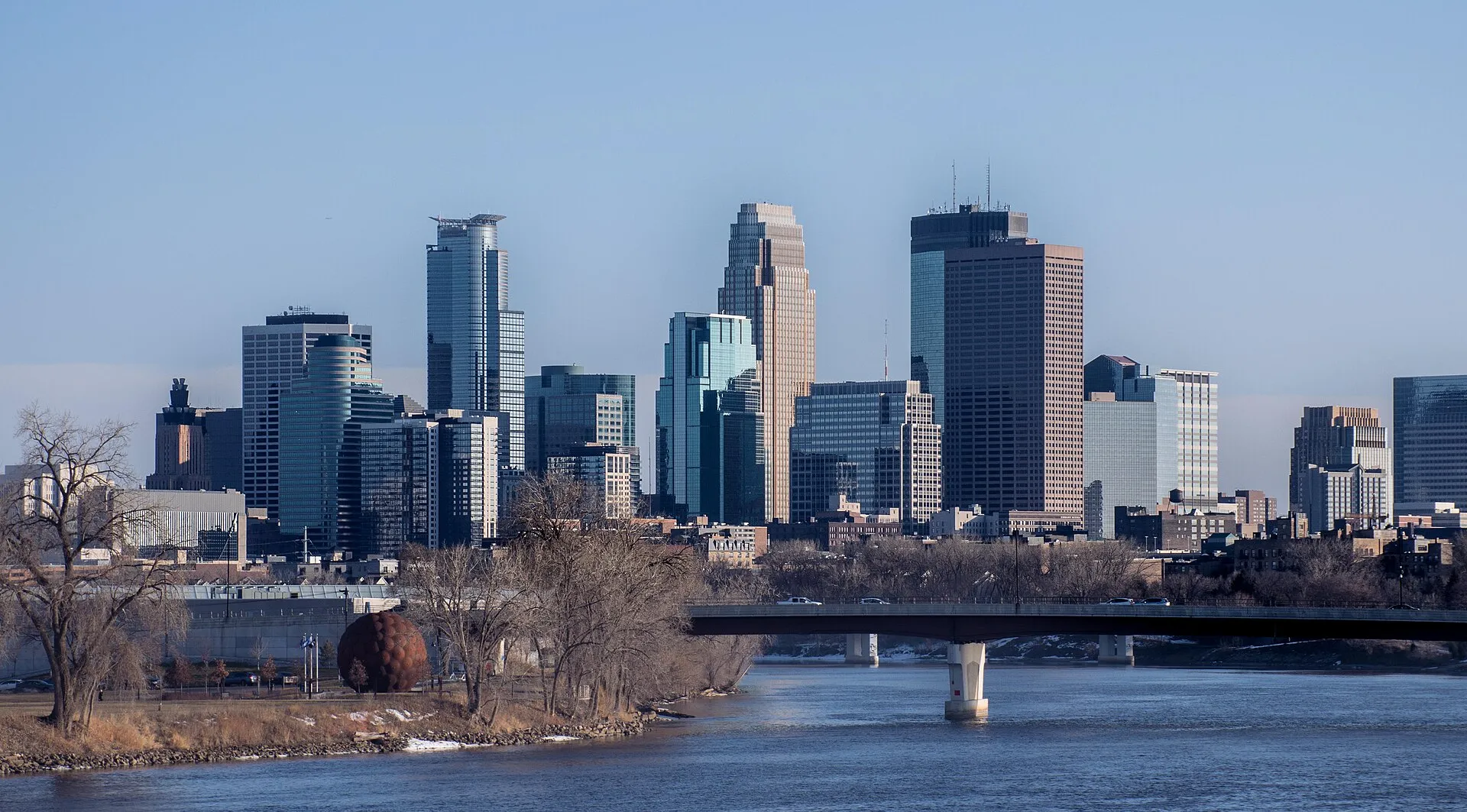
Minneapolis is a mid-priced US city offering good value for its quality of life, and roughly $3,000/month suits a solo remote worker. A one-bedroom in a central, walkable neighborhood like North Loop, Uptown, or Northeast runs about $1,300 to $1,700, while outer neighborhoods and inner suburbs range from $1,050 to $1,400. Groceries for one run $350 to $450. Eating out is reasonable, with strong casual and ethnic dining at $12 to $20 and mid-range dinners around $25 to $40. Minnesota has relatively high state income tax, worth noting for US earners. Transit is usable, so a car-free budget is possible, but many still budget $250 to $450 for a car including winter-related costs. Coworking desks run about $150 to $300/month. Winter heating adds to utilities from December through March. These are editorial estimates in USD. Frugal nomads land near $2,500, most spend $2,800 to $3,300 comfortably. The state taxes income at rates well above most of the country, which is the counterweight to the cheap housing and matters a great deal to anybody employed here rather than billing from abroad. Renters feel it only indirectly, through what local wages have to be to absorb it.
Where to Work in Minneapolis
Minneapolis has a strong coworking scene for its size, with spaces in Downtown, the North Loop, and Northeast offering hot desks, private offices, and active member communities, supported by a large corporate and creative economy. Home internet is fast and reliable, with widespread cable and growing fiber availability, well suited to demanding remote work. Cafe-work culture is excellent: the Twin Cities have a deep, respected independent coffee scene, and neighborhoods like Northeast, Uptown, and the North Loop are full of laptop-friendly cafes with good espresso and comfortable seating. The Skyway system Downtown links buildings indoors, handy for cafe-hopping in winter. Caveats: winter dominates life for months, so you will rely on indoor spaces and want a base within walking distance of your favorites. Summer is glorious and outdoor-oriented, so you may want a spot near the lakes or trails. Overall it is one of the more genuinely work-friendly midsize US cities. Target runs its headquarters on Nicollet Mall downtown, and the metro's spread of large corporate employers means local freelance work in marketing, analytics and product roles is easier to find than a metro of this size would lead anyone to expect.
Getting Around Minneapolis
Minneapolis is more transit-and-bike-friendly than most US cities. Metro Transit runs light rail lines connecting Downtown, the airport, the Mall of America, and St. Paul, plus a bus network, and living car-free is feasible if you stay near these lines. The city is quite walkable in its core neighborhoods and is famous for its extensive bike-trail network, which is genuinely usable in the warmer months. The Downtown Skyway system lets you walk between buildings indoors during brutal winters. Ride-hailing (Uber and Lyft) is widely available and reliable. Minneapolis-Saint Paul International Airport (MSP) is a major Delta hub, close to the city, and very well connected domestically and internationally. A car makes winter and suburban life easier and many residents keep one, but committed urban nomads can manage without, especially in the walkable central neighborhoods. Winter driving demands cold-weather preparation, and snow clearing, while good, still slows things. The bike trails are ploughed through the winter rather than abandoned to it, and people genuinely ride in February on studded tyres, which is a local eccentricity that turns out to be entirely rational once the routes are properly cleared. The skyway network upstairs is the winter alternative and covers a surprising amount of downtown.
Sorting transport? Book an airport transfer, or compare car rental on Auto Europe and QEEQ.
Visas for Minneapolis
The US has no digital nomad visa, and Minnesota follows federal immigration rules like every state. Citizens of Visa Waiver Program countries can obtain an ESTA online and stay up to 90 days for tourism, with no extension. Others typically need a B-2 tourist visa, usually admitted for six months per entry. Working is not something visitor status allows: a visitor may not engage in any employment in the country. Overstaying results in automatic re-entry bans of three to ten years, so mind your admitted-until date. Minneapolis-Saint Paul is an international gateway, so tourist entries are standard, but carry proof of onward travel, lodging, and adequate funds. Staying past the first B-2 admission takes a USCIS extension application, covering up to six months at a time.
Best Time to Visit Minneapolis
Minneapolis has a dramatic continental climate with four distinct seasons, and the winter is the defining challenge. From December through February, temperatures routinely drop below freezing, often well below zero Fahrenheit with harsh wind chills and significant snow, and it demands serious cold-weather clothing and planning. That said, the city handles winter well and has a strong indoor culture. The best time to visit is late spring through early fall. Summer (June to August) is warm, green, and wonderful, with the city's lakes, patios, festivals, and bike trails in full swing. September and early October bring beautiful fall color and crisp, comfortable weather. Spring (April to May) is pleasant but can be muddy and unpredictable. For nomads, roughly May through October is the sweet spot to enjoy the outdoors and the city's famous quality of life. Come in winter only if you embrace the cold or want a cozy, low-cost, indoor-focused season with fewer crowds. The Minnesota State Fair fills the twelve days up to Labor Day at Falcon Heights, between the two downtowns, and draws around two million visitors, so late August is lively but a poor moment to hunt for a short let near St. Paul.
Pros and Cons of Minneapolis
Pros: Minneapolis punches above its weight on livability, with a strong economy, excellent independent coffee and dining, a rich arts and music scene, and abundant parks, lakes, and bike trails. It is more walkable and transit-friendly than most US cities, has fast internet, and offers real cultural depth for its size. Summers are idyllic, and the community feels genuine and welcoming. The MSP airport is a well-connected Delta hub. Cons: winter is long and severe, easily four to five months of cold and snow, which is a dealbreaker for many nomads. Minnesota's state income tax is relatively high for US-based earners. The metro is far from other major cities, so weekend trips mean flying. It lacks the year-round outdoor appeal of Sun Belt cities, and the short, intense summer means outdoor life is seasonal. If you can handle or even enjoy real winter, though, the payoff in quality of life is substantial. The Twin Cities hold the largest Somali community in North America, which puts some of the best East African cooking in the country within a short ride of downtown.
Who Minneapolis Is For
Anyone who values genuine quality of life, culture and community over year-round warmth, and who can either embrace winter or plan around it, will find the bargain a good one here. It is ideal for those who want a walkable, bikeable, transit-friendly US city with excellent coffee, food, arts, and outdoor summer life around the lakes and trails. It fits remote workers on US time zones who want a comfortable, well-run midsize city rather than a big expensive coastal one, and who appreciate a strong local scene and welcoming people. Summer-focused nomads will love it from May through October. The winter is long and genuinely hard, the outdoor season is short rather than constant, and the nearest comparable city is a flight rather than a drive. Any one of those being a dealbreaker rules the place out on its own. Budget-sensitive US earners should also weigh the higher state income tax. For the right person, it is an underrated gem.