Cost of Living in Cuenca
Cuenca is one of the cheapest cities in Latin America with genuinely good infrastructure, which is exactly why it draws so many long-term nomads and retirees. A single person can live comfortably on $900 to $1,300 a month including rent, and couples often manage on $1,600 to $2,000. A one-bedroom apartment in a well-located neighborhood like El Ejido or Puertas del Sol runs $350 to $550, while a similar place in the historic center or the more upscale Gringolandia strip along Av. Ordonez Lasso can push toward $600 to $800. The country uses the US dollar, which removes currency risk and makes budgeting simple for Americans. Groceries at local mercados (Feria Libre or 9 de Octubre) are cheap, produce especially, while imported goods and supermarket chains like Coral or Supermaxi cost noticeably more. Eating out is a bargain: a set lunch (almuerzo) at a local spot is $2.50 to $4, and a nice dinner at a mid-range restaurant for two with drinks lands around $25 to $35. Utilities, including a decent internet plan, typically add $60 to $90 a month.
Where to Work in Cuenca
Cuenca has a small but real coworking scene, concentrated mostly in El Ejido and near the historic center, alongside a strong cafe culture that doubles as informal office space. Fiber internet is available in most residential buildings and cafes, and speeds are generally solid for video calls, but outages happen more often than in Bogota or Mexico City and backup mobile data (Claro or Movistar) is worth having. Cafes like Goza Espresso Bar, Cafe Austria, and various spots along Calle Larga are popular with remote workers for their reliable wifi and outlets, though seating fills up on weekday mornings. Dedicated coworking spaces exist but are smaller and less polished than in Medellin or Lisbon, so many nomads end up renting a spare-room apartment specifically for a quiet home office. Power cuts are uncommon but not unheard of, so a small UPS or power bank for your router is sensible if your income depends on uptime.
Getting Around Cuenca
Cuenca is a compact, walkable city, and the historic center in particular rewards exploring on foot along its cobblestone streets and four rivers (Tomebamba, Yanuncay, Tarqui, and Machangara). For longer hops the tranvia (light rail) runs a single line through the city center and out toward the north, and it's cheap, clean, and easy to use once you learn the route. City buses cover the rest of the city for around 30 to 40 cents a ride, though route information is not always intuitively signed for newcomers. Taxis are plentiful and inexpensive, a short ride across town rarely exceeds $3 to $4, and ride-hailing apps like Uber and Cabify also operate here. Many long-termers skip owning a car entirely; traffic is manageable by regional standards, but the historic center's narrow one-way streets and cobblestones make driving there more of a hassle than a convenience.
Visas for Cuenca
Citizens of the US, Canada, the EU, and most of Latin America can enter Ecuador visa-free for up to 90 days within a 12-month period, which is enough for a first extended stay. For longer stays, Ecuador does not offer a dedicated "digital nomad visa" in the way Portugal or Spain do, but the temporary resident visa categories fill a similar role: the rentista visa (proof of stable passive income, historically around $1,350/month plus additional for dependents) and remote-worker friendly options tied to foreign income are commonly used by location-independent professionals. Ecuador's residency process is comparatively bureaucratic and paperwork-heavy, often requiring apostilled documents and a local immigration lawyer, and processing times can run several months, so it's worth starting well before your 90 days run out if you intend to stay longer.
Best Time to Visit Cuenca
Cuenca's high-altitude location (around 2,560m) gives it a subtropical highland climate that stays mild and spring-like nearly year-round, with daytime temperatures typically in the mid-teens to low-20s Celsius and cooler nights. There isn't a dramatic seasonal swing, but the driest, sunniest stretch generally falls from June through September, making it the most pleasant window for exploring on foot. The wetter months, roughly October through May, bring more frequent afternoon showers, often a predictable pattern of clear mornings followed by rain from midafternoon onward, so planning outdoor activities before lunch is a good habit regardless of when you visit. Pack layers no matter the season: mornings and evenings run cool even when the midday sun feels strong at altitude.
Pros and Cons of Cuenca
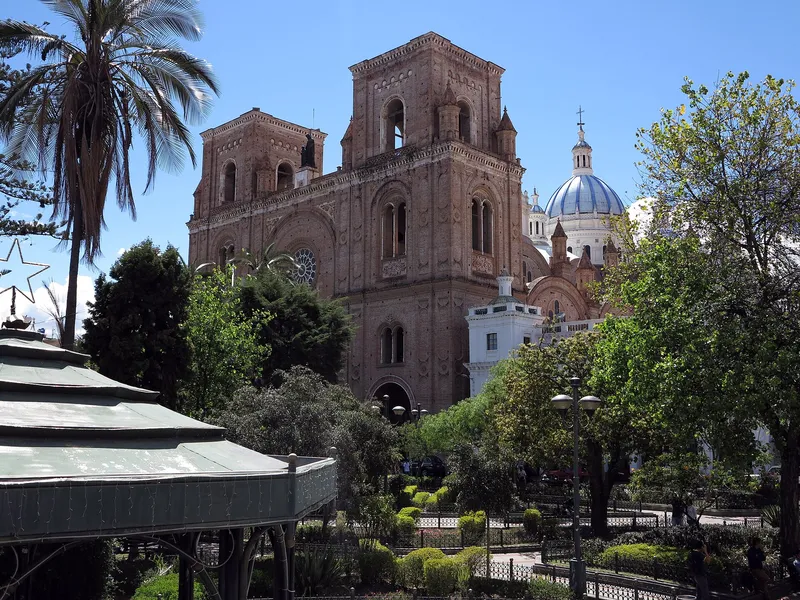
The pros are substantial: an exceptionally low cost of living for the quality of life on offer, a genuinely beautiful UNESCO World Heritage historic center, mild year-round weather, good healthcare by regional standards, and one of the largest, most established expat and retiree communities in Latin America, which makes settling in easier than almost anywhere else on the continent. The cons deserve honesty too. The altitude takes real adjustment, expect a few days of shortness of breath, fatigue, or headaches, especially with any physical exertion or alcohol. Wifi and mobile connectivity are decent but mid-tier, not on par with major nomad hubs in Mexico or Colombia, and outages do occur. Petty theft (bag snatching, pickpocketing on buses and in crowded markets) is a real, if manageable, concern that requires normal urban awareness rather than paranoia. The city is also relatively small and can feel slow-paced if you're craving a bigger-city energy or nightlife scene.
Who Cuenca Is For
Cuenca suits nomads and remote workers who prioritize a low cost of living, a slower and more traditional pace of life, and a walkable, historic setting over a buzzing nightlife or cutting-edge coworking infrastructure. It's an especially strong fit for people who want an established, English-friendly expat support network already in place, retirees and semi-retired remote workers chief among them, as well as anyone sensitive to heat who prefers cool mountain air over tropical humidity. It's a less natural fit for nomads chasing a fast-moving startup or digital-nomad social scene, beach access, or big-city amenities, and anyone with respiratory or cardiovascular sensitivities should factor in the altitude adjustment before committing to a long stay.
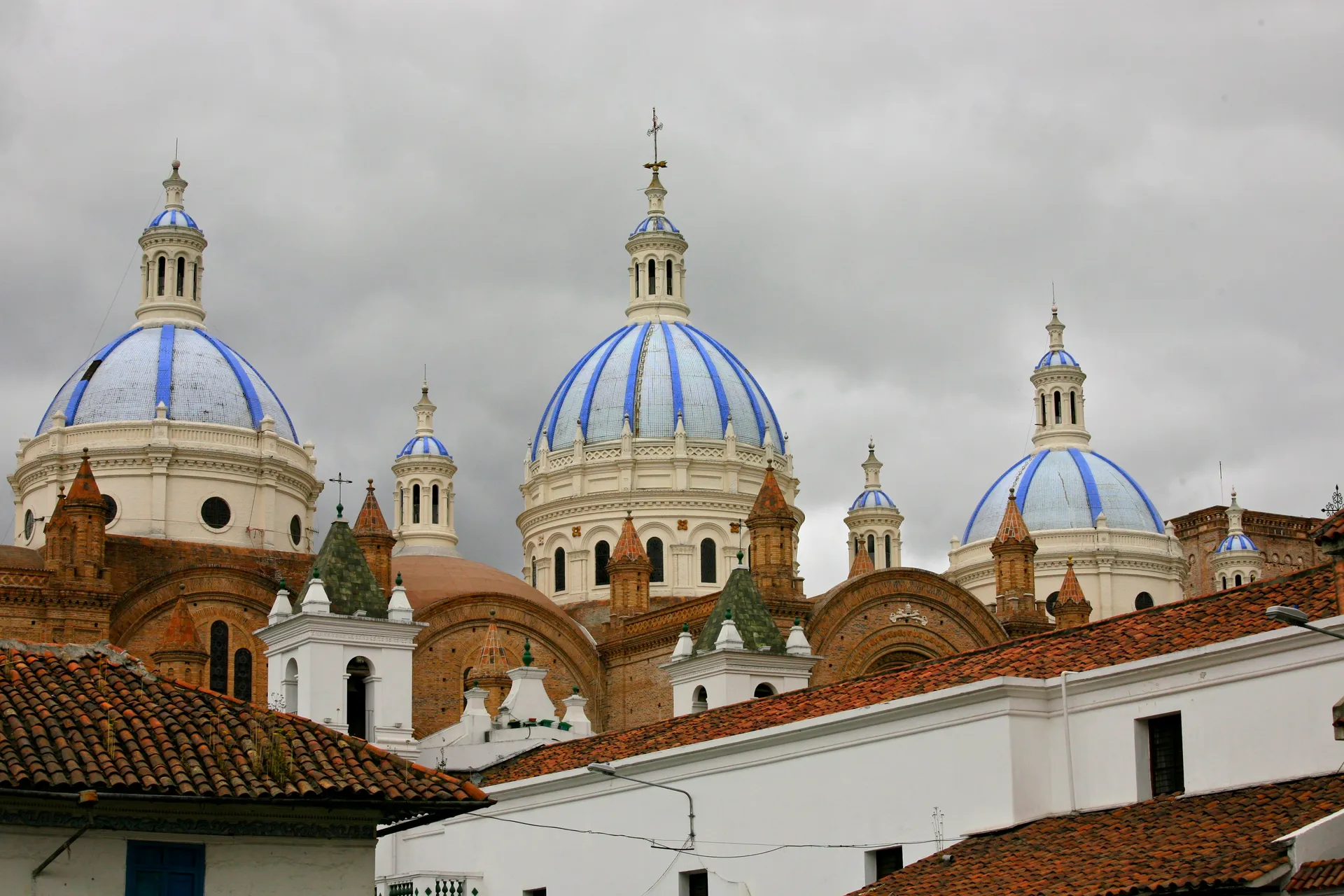 Photo: Alex Proimos / Wikimedia Commons (CC BY 2.0)