 Dubai
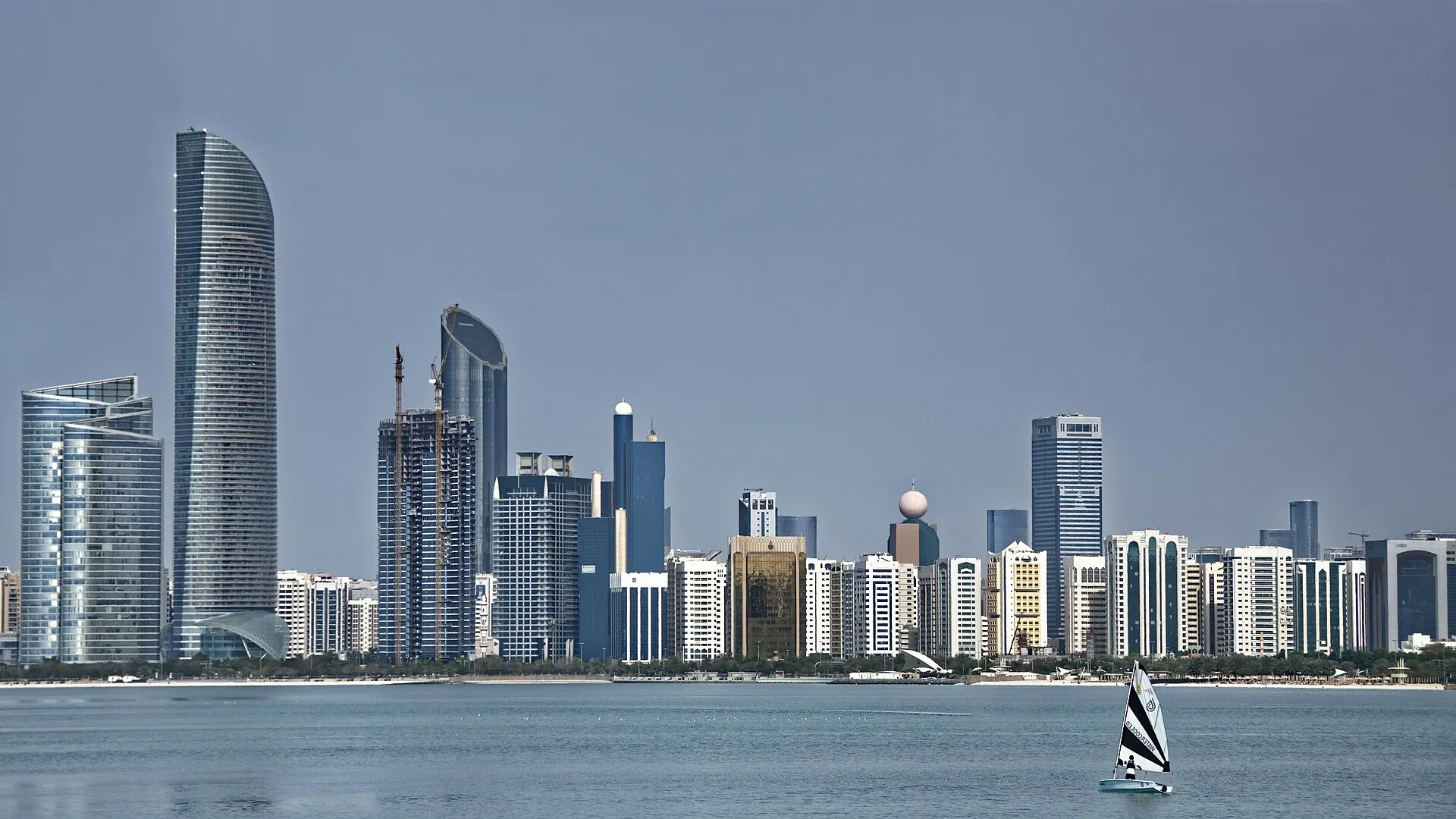
Nobody regrets this choice in January, walking the Corniche at 24°C with the Gulf lying flat beside them. The regret arrives a few months into the lease, and it comes in two common forms. Since the end of September, a train has made one of them cheaper to fix, though less cheap than the fare suggests.
Moving to Abu Dhabi for the quiet, then missing Dubai
On our estimate a month in Abu Dhabi comes to about $4,200, and the same month in Dubai about $4,500. That $300 feels like a reward for choosing the calmer city. Then you start going back for dinner. One commuter told a local paper his taxi between the two cost more than $95 each way, so two return trips in a month would use up the entire saving and a bit more.
Etihad Rail's passenger line now runs between them in about an hour, with seats from about $11. In Dubai it is excellent: Al Yalayis station has a footbridge to the Red Line metro at Jumeirah Golf Estates. The catch is the timetable. Only five trains run each way, and the last one leaves Dubai at 6:14pm, so the train cannot bring you home from anything that happens after dark. The Abu Dhabi station is also out at Mohamed bin Zayed City, well off the island. The same rider paid about $36 for his taxi to the platform, more than three times the ticket.
So ask yourself what you would be going back for. Beach clubs and a late table are still a Dubai habit with a Dubai price. Art is another matter, and here the old assumption has gone out of date. Saadiyat Island had the Louvre from 2017, then gained teamLab Phenomena in April 2025, the Natural History Museum in November 2025 and the Zayed National Museum that December, with the Guggenheim still being built. Anyone who wanted that sort of weekend will not regret the capital.
Abu Dhabi also has no metro, and the city's distances are long. You will live by taxi, Careem and slow Hafilat buses, or buy a car, and the $300 has to cover that as well.
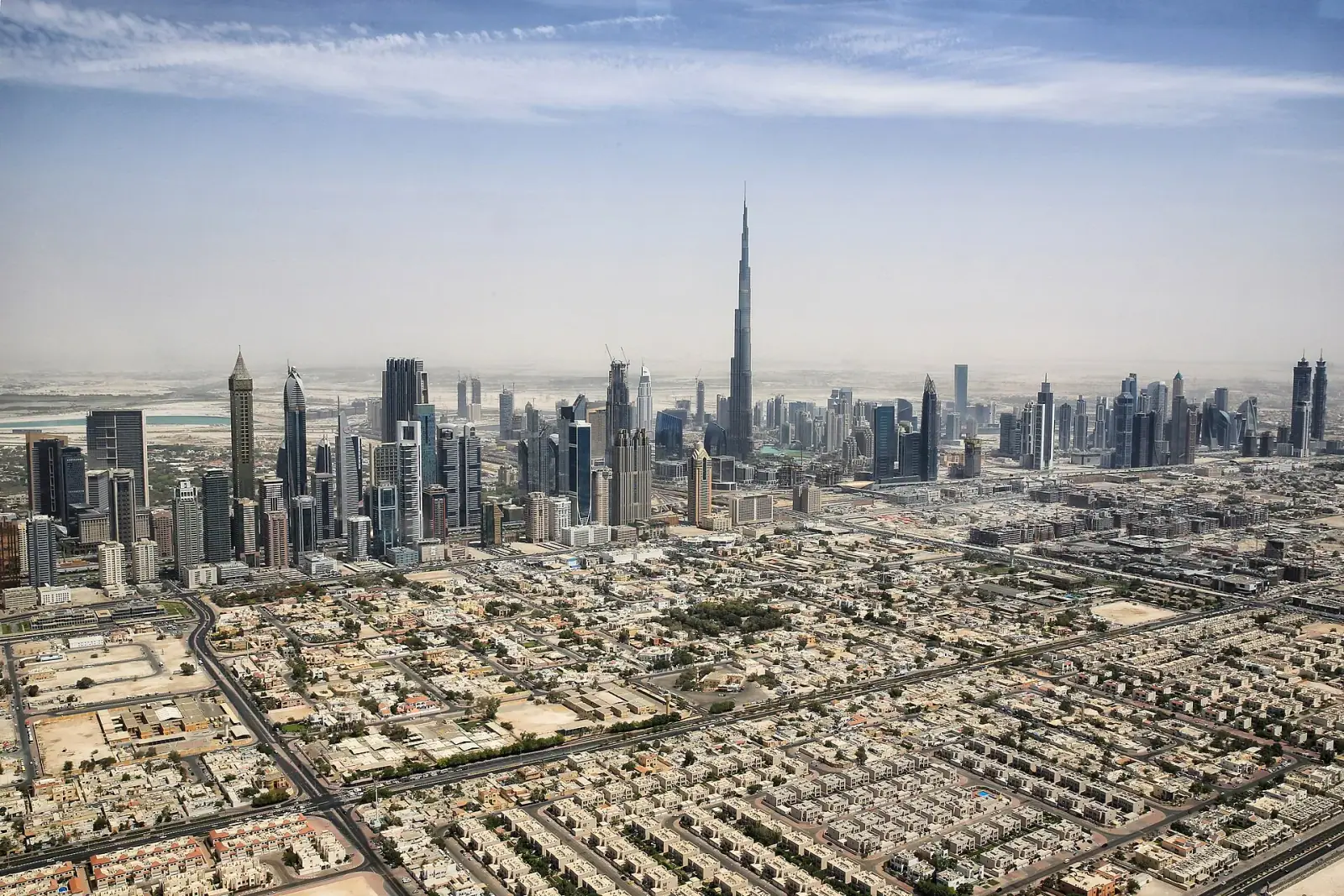
Moving to Dubai for the scene, then living in a tower
The opposite regret has less to do with money. Dubai's metro is real, with 55 stations on 90 kilometres of track, and the Red Line along Sheikh Zayed Road will carry you from the Marina to Downtown. But it is one long corridor, and the Blue Line is not due until 2029. Rent a cheaper flat a few kilometres from a station and you have the same car dependence as Abu Dhabi, plus ten Salik toll gates at up to about $1.60 a pass, plus traffic: a commuter from Mirdiff put his drive to Abu Dhabi at an hour and a half, and the drive home at two and a half at peak.
The people this catches are those who took the place with the better view. JLT and the Marina, close to a station, are where this city works on foot, at least by its own standards.
Moving between them because of the war
This one we would talk you out of. The pictures that travelled were of Dubai: the airport, the Fairmont The Palm, a burning Marina tower. Abu Dhabi took its share too. Debris and shrapnel killed people in the emirate, a missile hit a car in Al Bahyah, and Ruwais refinery, the Habshan gas complex and the Al Taweelah aluminium plant were all struck. A capital full of energy targets is no shelter from a conflict with Iran that remains unsettled. We look at leaving the region altogether in Dubai vs Istanbul.
Very little else separates them. August reaches 42°C in Dubai and 40°C in Abu Dhabi, with nights around 32°C in both. Income tax is zero in each, and the remote-work visa sets its floor at $3,500 a month.
Where we would live
For someone working alone from a laptop, we would take Dubai, in a flat you can walk to a Red Line station from, because that one decision removes most of what people complain about here. The train then works beautifully in the other direction: the 7:14am out and a return at 4:43pm or 5:43pm gives you a full Saturday among the museums on Saadiyat, and you are home for dinner.